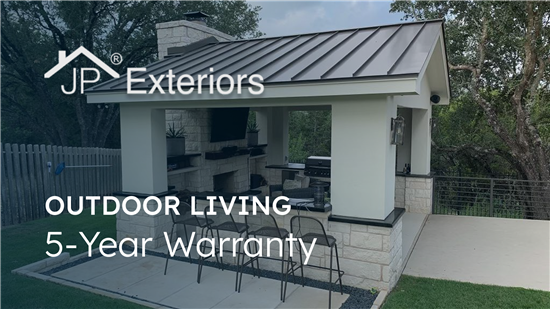
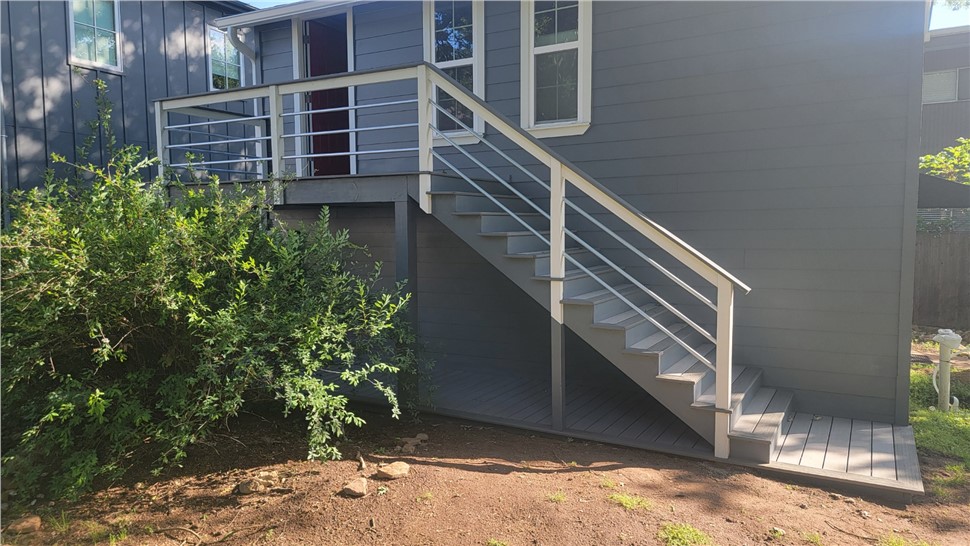
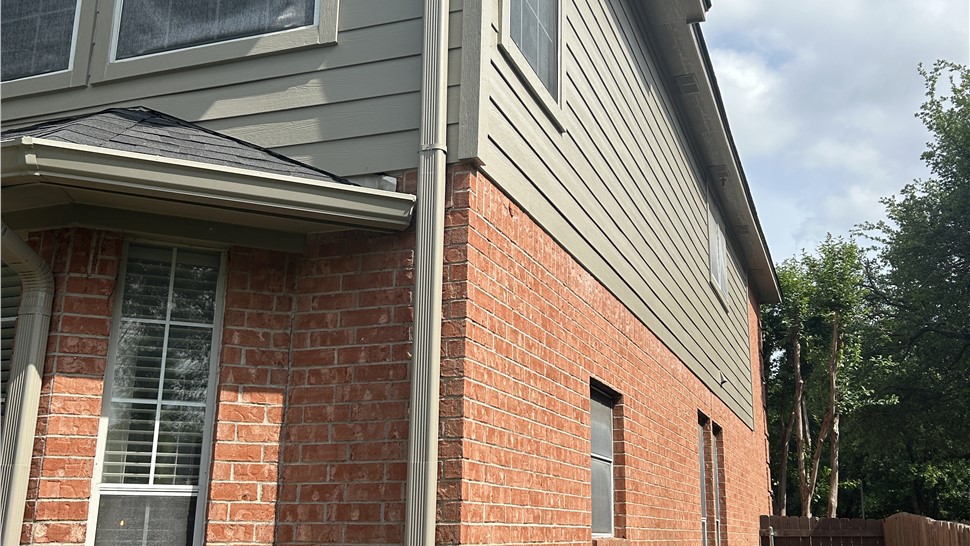
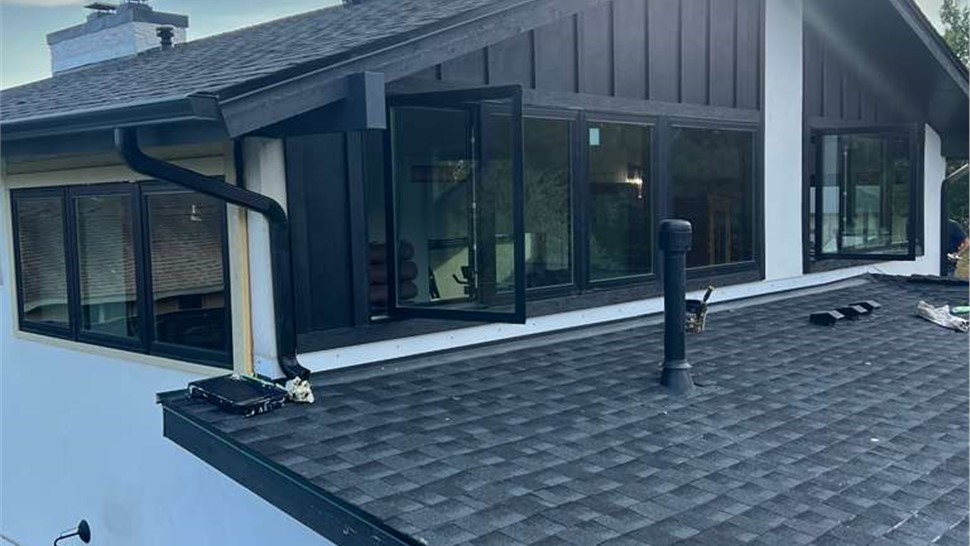
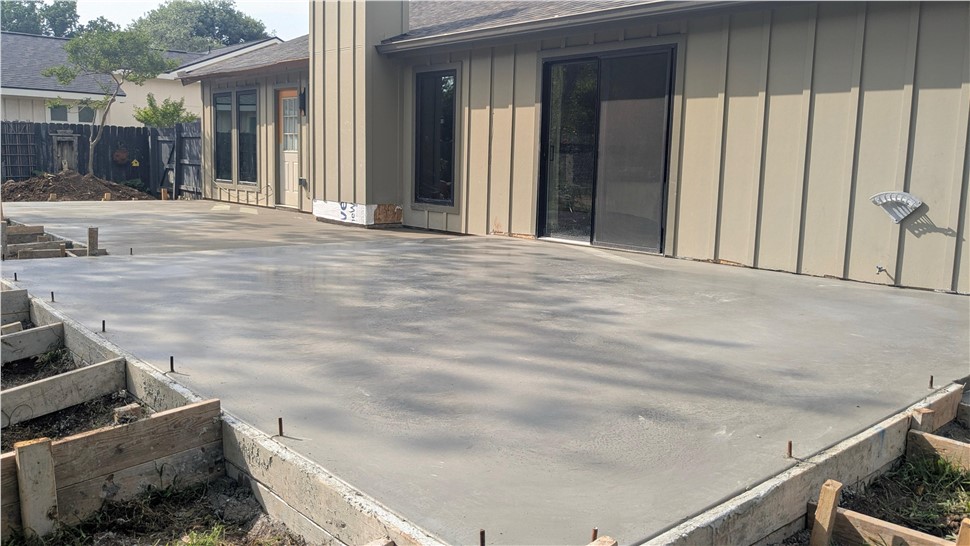
A patio cover is the single change that makes an Austin backyard usable through the long Texas summer. We design and build custom patio covers that attach to your home or stand on their own, shade your patio from the afternoon sun, and hold up to hail, wind, and heavy spring storms. This guide covers the cover styles we build, what they cost in 2026, how permits work, and what to expect from start to finish.
JP Exteriors has built outdoor living projects across Central Texas since 1994. We handle design, permitting, HOA submittals, framing, roofing tie-ins, and electrical rough-in with our own team, so you have one company accountable for the whole project.
Why Patio Covers Matter in the Austin Climate
Austin summers regularly climb past 100 degrees, and an uncovered concrete patio in direct afternoon sun gets too hot to use for much of the year. A solid roof overhead blocks that direct sun, lowers the temperature on the slab, and protects your furniture, grill, and outdoor rugs from UV damage and sudden downpours.
A covered patio also takes heat off the back of your house. When the sun hits a west or south-facing wall and sliding door all afternoon, the room behind it heats up fast. Shading that wall can make the adjoining living space noticeably more comfortable and easier to cool.
Once the heat breaks in late September, a covered patio with ceiling fans and lighting becomes one of the most-used rooms in the home. Many of our clients tell us they spend more evenings outside after the build than they did in the entire year before.
Patio Cover Styles We Build
The right cover depends on your roofline, your budget, and how you plan to use the space. These are the styles we build most often for Austin homeowners:
- Flat Attached Covers: A clean, low-profile roof that tucks under the existing eave. This is often the most budget-friendly way to add full shade to a back patio.
- Gabled Covers: A peaked roof built to match your home's existing roofline. Gabled covers add the most architectural impact and often feel like an original part of the house.
- Cedar and Pine Framed Covers: Stained cedar brings natural rot resistance and a Hill Country look, while painted pine offers a proven, cost-effective frame.
- Hardie-Wrapped Covers: Posts and beams wrapped in James Hardie fiber cement for a finished, low-maintenance look that matches Hardie siding on the home.
- Aluminum Covers: Renaissance aluminum patio covers come in multiple colors and styles, resist rust and rot, and need very little upkeep.
Every cover we build can include electrical rough-in for ceiling fans and recessed lighting, which we strongly recommend in Central Texas. Moving air under a solid roof makes a bigger comfort difference than most people expect.
How Much a Patio Cover Costs in Austin
Based on our 2026 sales pricing, most patio covers in the Austin area run $15,000 to $38,000 for a typical 250 to 400 square foot project. Pine covers (flat or gabled) usually land between $15,000 and $36,000. Cedar and Hardie-wrapped covers usually land between $17,000 and $38,000.
Four things move the price most. Size is the biggest factor, followed by material choice. A gabled roof that ties into your existing shingle or metal roof takes more framing and flashing work than a flat cover. Electrical for fans, lights, and outlets adds scope, as do sloped lots or existing concrete that needs to be expanded or replaced.
For a full breakdown across decks, pergolas, screened porches, and sunrooms, see our 2026 outdoor living cost guide. Financing is available, including a 6.99% APR option over 180 months and a 0% APR option for 18 months when paid in full.
Permits and HOA Approval for Patio Covers
Most cities in the Austin area treat a roofed patio cover as a structure that needs a building permit, and many neighborhoods also require HOA architectural review before work starts. Round Rock and Georgetown both require permits for patio covers and pergolas, and the City of Austin generally requires a residential building permit for roofed structures attached to the home.
Permitting usually adds two to four weeks at the front of a project, depending on the city. We prepare the drawings and site plan, submit the permit and HOA paperwork, and schedule inspections as part of our scope. You can read more in our guide to patio cover permits in the Austin area.
Our Patio Cover Design and Build Process
Every project starts with a free design consultation at your home. We walk the backyard, look at how the sun hits the patio through the day, check your roofline and drainage, and talk through how you want to use the space. Larger projects include a 3D rendering so you can see the cover before we build it.
After you approve the design, we handle permits and HOA approval, then build. Most patio covers take two to three weeks of construction once permits are in hand. Our crews attach the cover to your home with proper flashing into the existing roof, frame the beams and posts to code, finish the ceiling, and complete the electrical rough-in and final trim.
We back our outdoor living work with a lifetime workmanship warranty that transfers with the home, and we stay on the project through final inspection.
Patio Cover vs Pergola vs Screened Porch
A patio cover has a solid roof, so it gives you full shade and rain protection. A pergola uses open cross-beams for filtered shade and a more open feel, and it usually costs less. A screened porch adds insect screening on the sides, which helps during mosquito season from spring through fall. Many homeowners start with a patio cover and screen it in later.
If you are weighing all three, or considering a full sunroom, our comparison of patio covers, pergolas, and sunrooms walks through shade, cost, timelines, and how each one adds value.
Frequently Asked Questions About Patio Covers
How long does a patio cover last? A properly built and maintained patio cover can last as long as your home's roof. Cedar and pine frames need periodic stain or paint touch-ups. Aluminum and Hardie-wrapped covers need very little maintenance.
Will a patio cover match my roof? Yes. For gabled and many flat covers, we tie into your existing roof and match shingles or metal so the addition looks original to the home.
Can you add fans and lights? Yes. Our patio covers can include electrical rough-in for ceiling fans and recessed lighting, and we recommend at least one fan for most Central Texas patios.
Does a patio cover add value to my home? A well-built cover adds usable outdoor living space, which buyers in Central Texas value highly. Unpermitted structures can cause problems at resale, which is why we permit every project.
How long does the whole project take? Plan for two to four weeks for permits and HOA approval, then two to three weeks of construction for most covers.
Plan Your Austin Patio Cover With JP Exteriors
A patio cover is a long-term addition to your home, so it pays to get the design, structure, and roof tie-in right the first time. We will walk your backyard, show you options that fit your home and budget, and give you a clear, written proposal. Request your free design consultation to get started, or explore more of our outdoor living services in Austin.