Spring in Austin and across Central Texas brings warmer weather—but it also marks the start of hail storm season. These storms can cause serious damage to roofs, siding, windows, and gutters, often leading to costly repairs or even full roof replacement.
Austin homeowners often ask:
“How can I protect my home before a hail storm hits?”
In this guide, we break down practical steps to prepare your home, reduce the risk of damage, and understand what to expect if your roof is impacted by a storm.
Let’s break it down.
Why Hail Storm Preparation Matters in Central Texas
Homes in Austin, Round Rock, Cedar Park, and surrounding areas face unique weather challenges:
• Sudden severe thunderstorms
• Large hail during spring months
• High winds and heavy rain
• Rapid temperature swings
• Large hail during spring months
• High winds and heavy rain
• Rapid temperature swings
Because of these conditions, your roof takes the majority of the impact during a storm.
Hail preparation directly affects:
• Roof lifespan and performance
• Risk of leaks and structural damage
• Insurance claim success
• Long-term maintenance costs
• Risk of leaks and structural damage
• Insurance claim success
• Long-term maintenance costs
Preparing early helps homeowners avoid emergency repairs and unexpected expenses.
Inspect Your Roof Before Storm Season
Your roof is your home’s first line of defense during a hail storm.
Before spring storms arrive, schedule a professional roof inspection to check for:
• Loose or missing shingles
• Damaged flashing or seals
• Soft spots or aging materials
• Signs of previous storm damage
• Damaged flashing or seals
• Soft spots or aging materials
• Signs of previous storm damage
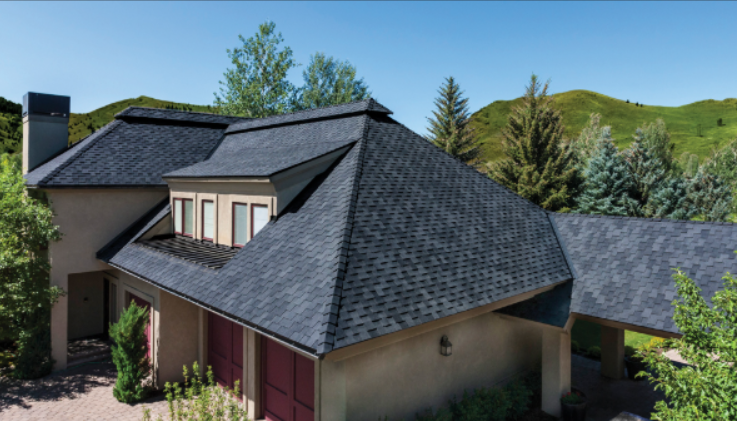
Spring in Austin and across Central Texas brings warmer weather—but it also marks the start of hail storm season. These storms can cause serious damage to roofs, siding, windows, and gutters, often leading to costly repairs or even full roof replacement.
Austin homeowners often ask:
“How can I protect my home before a hail storm hits?”
In this guide, we break down practical steps to prepare your home, reduce the risk of damage, and understand what to expect if your roof is impacted by a storm.
Let’s break it down.
Why Hail Storm Preparation Matters in Central Texas
Homes in Austin, Round Rock, Cedar Park, and surrounding areas face unique weather challenges:
• Sudden severe thunderstorms
• Large hail during spring months
• High winds and heavy rain
• Rapid temperature swings
• Large hail during spring months
• High winds and heavy rain
• Rapid temperature swings
Because of these conditions, your roof takes the majority of the impact during a storm.
Hail preparation directly affects:
• Roof lifespan and performance
• Risk of leaks and structural damage
• Insurance claim success
• Long-term maintenance costs
• Risk of leaks and structural damage
• Insurance claim success
• Long-term maintenance costs
Preparing early helps homeowners avoid emergency repairs and unexpected expenses.
Inspect Your Roof Before Storm Season
Your roof is your home’s first line of defense during a hail storm.
Before spring storms arrive, schedule a professional roof inspection to check for:
• Loose or missing shingles
• Damaged flashing or seals
• Soft spots or aging materials
• Signs of previous storm damage
• Damaged flashing or seals
• Soft spots or aging materials
• Signs of previous storm damage
A professional roof inspection can identify weak or damaged shingles before hail storms hit.
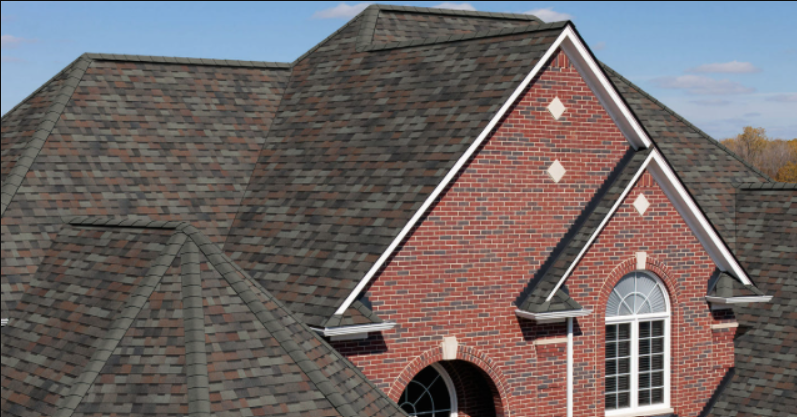
If your roof is already worn or compromised, it will be far more vulnerable during a hail storm.
Many homeowners in Austin choose architectural shingles designed for impact resistance. Roofing systems from manufacturers like GAF, Owens Corning, and Malarkey Roofing Products are specifically engineered to handle severe weather conditions, including hail and high winds.
As a certified contractor with these manufacturers, JP Exteriors installs roofing systems that meet strict performance and installation standards—helping ensure long-term durability.
Clean and Maintain Gutters and Drainage
Heavy rain often follows hail storms, making proper drainage critical.
Clogged gutters can lead to:
• Water backup under shingles
• Roof leaks
• Foundation issues
• Exterior water damage
• Roof leaks
• Foundation issues
• Exterior water damage
Before storm season:
• Remove debris
• Check drainage flow
• Secure loose sections
• Inspect for damage
• Check drainage flow
• Secure loose sections
• Inspect for damage
Proper drainage plays a key role in protecting your roofing system during severe weather.
Protect Windows, Doors, and Exterior Openings
Hail and wind-driven debris can impact more than just your roof.
To reduce risk:
• Install impact-resistant glass
• Seal gaps and openings
• Reinforce older frames
• Add storm shutters if available
• Seal gaps and openings
• Reinforce older frames
• Add storm shutters if available
Upgrading these areas improves overall home protection during storms.
Secure Outdoor Items Around Your Home
Loose outdoor items can become dangerous during high winds.
Before a storm:
• Bring in patio furniture
• Secure grills and equipment
• Remove loose décor
• Trim weak tree branches
• Secure grills and equipment
• Remove loose décor
• Trim weak tree branches
This helps prevent avoidable damage to your roof and exterior.
Review Your Insurance Coverage
Before storm season, review your homeowner’s insurance policy to understand:
• Hail damage coverage
• Roof replacement deductibles
• Claim procedures
• Documentation requirements
• Roof replacement deductibles
• Claim procedures
• Documentation requirements
Tip: Take pre-storm photos of your roof and exterior for easier claims processing.
What to Do After a Hail Storm
After a storm passes, inspect your home for visible damage:
• Dented or cracked shingles
• Granule loss
• Damaged gutters
• Broken windows or siding
• Granule loss
• Damaged gutters
• Broken windows or siding
Even minor damage can lead to bigger issues over time.
A professional inspection can determine whether repairs are sufficient or if a full replacement is needed.
How Much Does Hail Damage Roof Repair Cost in Austin?
Costs vary depending on damage severity and roof size.
Typical ranges:
• Minor repairs: $300 – $1,500
• Moderate repairs: $1,500 – $5,000
• Full roof replacement: $8,000 – $20,000+
• Moderate repairs: $1,500 – $5,000
• Full roof replacement: $8,000 – $20,000+
Factors that affect cost:
• Roofing materials
• Extent of damage
• Labor and installation complexity
• Roof design and pitch
• Extent of damage
• Labor and installation complexity
• Roof design and pitch
High-performance materials—like those from Owens Corning, GAF, and Malarkey Roofing Products—can offer better long-term value by improving durability and reducing future repair needs.
When Is Roof Replacement Necessary?
Not all hail damage requires full replacement—but in many cases, it’s the best long-term solution.
You may need a new roof if:
• Damage is widespread
• Shingles are cracked or missing
• The roof is aging or deteriorating
• Leaks or structural issues are present
• Shingles are cracked or missing
• The roof is aging or deteriorating
• Leaks or structural issues are present
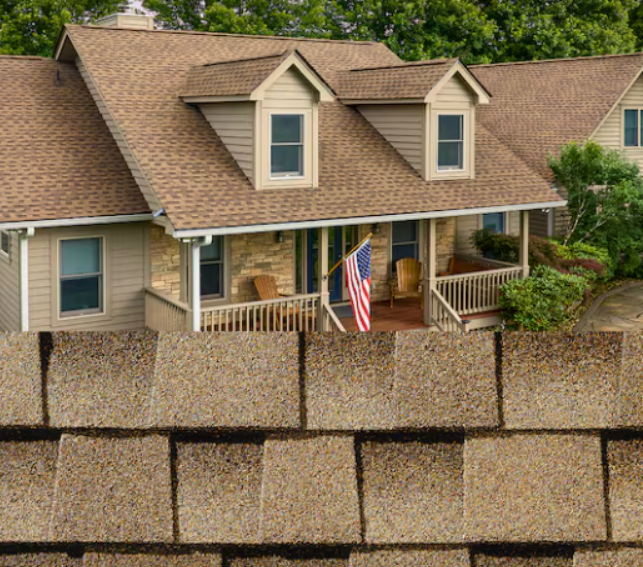
A professional roof inspection can identify weak or damaged shingles before hail storms hit.
If your roof is already worn or compromised, it will be far more vulnerable during a hail storm.
Many homeowners in Austin choose architectural shingles designed for impact resistance. Roofing systems from manufacturers like GAF, Owens Corning, and Malarkey Roofing Products are specifically engineered to handle severe weather conditions, including hail and high winds.
As a certified contractor with these manufacturers, JP Exteriors installs roofing systems that meet strict performance and installation standards—helping ensure long-term durability.
Clean and Maintain Gutters and Drainage
Heavy rain often follows hail storms, making proper drainage critical.
Clogged gutters can lead to:
• Water backup under shingles
• Roof leaks
• Foundation issues
• Exterior water damage
• Roof leaks
• Foundation issues
• Exterior water damage
Before storm season:
• Remove debris
• Check drainage flow
• Secure loose sections
• Inspect for damage
• Check drainage flow
• Secure loose sections
• Inspect for damage
Proper drainage plays a key role in protecting your roofing system during severe weather.
Protect Windows, Doors, and Exterior Openings
Hail and wind-driven debris can impact more than just your roof.
To reduce risk:
• Install impact-resistant glass
• Seal gaps and openings
• Reinforce older frames
• Add storm shutters if available
• Seal gaps and openings
• Reinforce older frames
• Add storm shutters if available
Upgrading these areas improves overall home protection during storms.
Secure Outdoor Items Around Your Home
Loose outdoor items can become dangerous during high winds.
Before a storm:
• Bring in patio furniture
• Secure grills and equipment
• Remove loose décor
• Trim weak tree branches
• Secure grills and equipment
• Remove loose décor
• Trim weak tree branches
This helps prevent avoidable damage to your roof and exterior.
Review Your Insurance Coverage
Before storm season, review your homeowner’s insurance policy to understand:
• Hail damage coverage
• Roof replacement deductibles
• Claim procedures
• Documentation requirements
• Roof replacement deductibles
• Claim procedures
• Documentation requirements
Tip: Take pre-storm photos of your roof and exterior for easier claims processing.
What to Do After a Hail Storm
After a storm passes, inspect your home for visible damage:
• Dented or cracked shingles
• Granule loss
• Damaged gutters
• Broken windows or siding
• Granule loss
• Damaged gutters
• Broken windows or siding
Even minor damage can lead to bigger issues over time.
A professional inspection can determine whether repairs are sufficient or if a full replacement is needed.
How Much Does Hail Damage Roof Repair Cost in Austin?
Costs vary depending on damage severity and roof size.
Typical ranges:
• Minor repairs: $300 – $1,500
• Moderate repairs: $1,500 – $5,000
• Full roof replacement: $8,000 – $20,000+
• Moderate repairs: $1,500 – $5,000
• Full roof replacement: $8,000 – $20,000+
Factors that affect cost:
• Roofing materials
• Extent of damage
• Labor and installation complexity
• Roof design and pitch
• Labor and installation complexity
• Roof design and pitch
High-performance materials—like those from Owens Corning, GAF, and Malarkey Roofing Products—can offer better long-term value by improving durability and reducing future repair needs.
When Is Roof Replacement Necessary?
Not all hail damage requires full replacement—but in many cases, it’s the best long-term solution.
You may need a new roof if:
• Damage is widespread
• Shingles are cracked or missing
• The roof is aging or deteriorating
• Leaks or structural issues are present
• Shingles are cracked or missing
• The roof is aging or deteriorating
• Leaks or structural issues are present
Contact JP Exteriors to schedule your free sunroom consultation and receive a personalized estimate.
Book a free, no-pressure consultation: Schedule Now
See real local projects for inspiration: Project Gallery
Ask about financing options: Financing Info
Subscribe to JP Exteriors's Blog







Comments