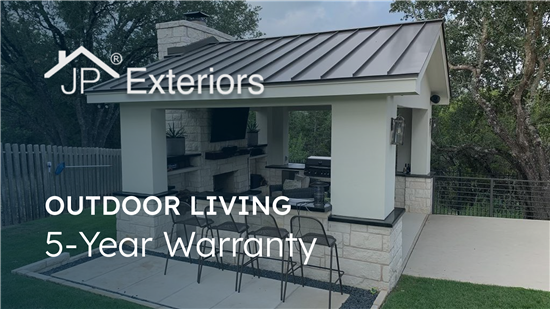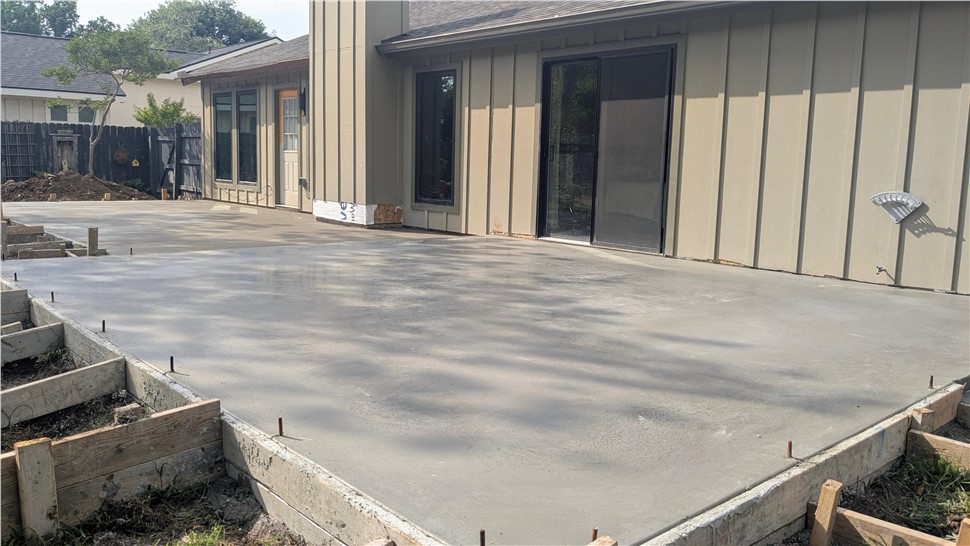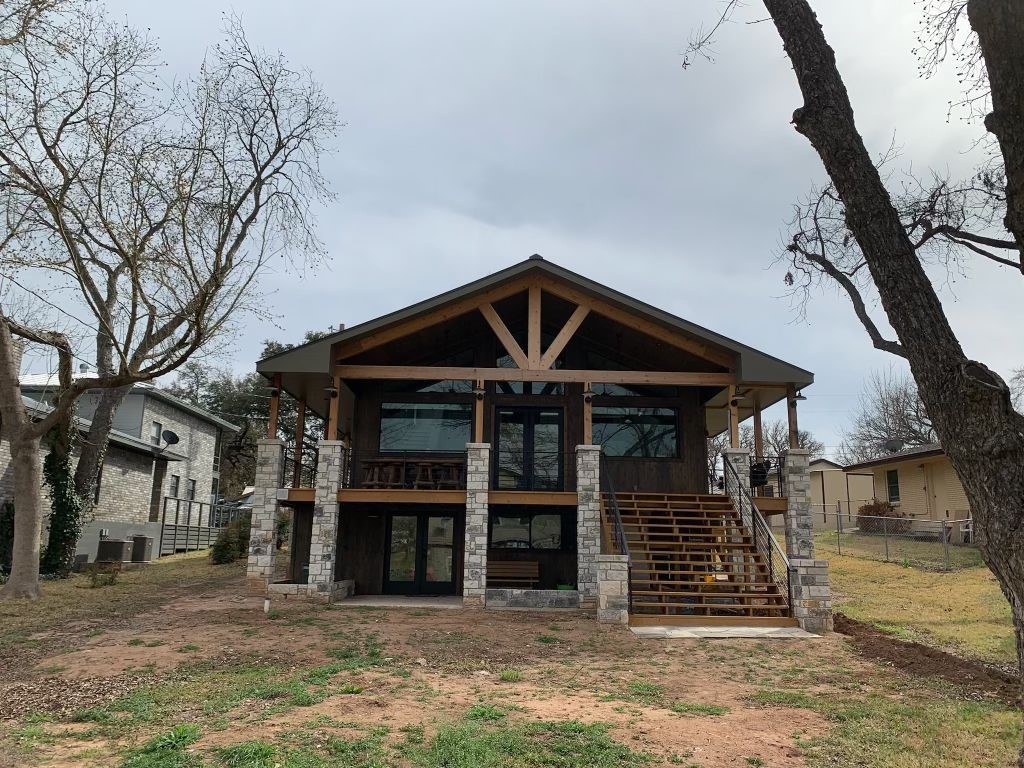
In most Austin-area cities, you need a building permit to add a patio cover, and many neighborhoods also require HOA approval before construction begins. Permit rules differ from city to city, and missing a step can delay your project, trigger a stop-work order, or cause problems when you sell the home. This guide explains how patio cover permits generally work in Austin, Round Rock, Cedar Park, Georgetown, Lakeway, and Bee Cave, and what JP Exteriors handles for you.
Rules and fees change, so always confirm current requirements with your city's permitting office. When you build with us, we confirm the requirements for your address and take care of the paperwork as part of the project.
Why Patio Covers Usually Need a Permit
A patio cover has a roof, posts, and footings, and it is often attached to your house. Cities review these structures to make sure they are built to handle wind loads, are attached safely to the home, meet setback rules from property lines and easements, and have safe electrical work if you add fans or lights.
Permits protect you, too. Inspectors check the footings, framing, and final build, which gives you a documented record that the structure meets code. That record matters to insurance companies and to buyers when you eventually sell.
Patio Cover Permits in Austin
The City of Austin generally requires a residential building permit for roofed patio covers, whether attached or freestanding, and for any related electrical work. Austin's residential code includes specific provisions for patio covers, and plan review looks at structure, setbacks, and site coverage.
Austin also limits how much of a lot can be covered by buildings and hard surfaces. In common single-family zoning districts such as SF-2 and SF-3, building coverage is typically capped at 40% and impervious cover at 45% of the lot. A new roofed structure can count toward those limits, so larger lots or homes with big driveways and pools may need careful planning. If you live in an area with additional overlay rules, the review can take longer.
Patio Cover Permits in Round Rock
The City of Round Rock requires a permit for covered patios, pergolas, and decks. The application typically includes construction plans with dimensions and materials, plus a property survey marked with the proposed location. Round Rock prohibits encroachment into easements and its 5-foot side and rear setbacks, so the survey should show the distance from the structure to each property line.
Round Rock lists permit fees of $200 for a covered patio without utilities and $300 when electrical or plumbing is included. Window replacement, on the other hand, does not require a permit in Round Rock as long as the work meets code.
Patio Cover Permits in Cedar Park
Cedar Park requires a residential permit for patio covers and decks and publishes a deck and patio cover submittal checklist for applicants. Expect to provide a site plan or survey showing the structure's location and setbacks, along with construction details. Many Cedar Park neighborhoods also have active HOAs with architectural review, so plan for both approvals.
Patio Cover Permits in Georgetown
Georgetown requires permits for patio covers, pergolas, and arbors. Applications are submitted online and include an official site survey showing property lines and the proposed location with dimensions, plus construction drawings. The city asks applicants to allow about 10 business days for plan review.
Georgetown inspections typically include a foundation or pre-pour inspection, a setback inspection with property pins exposed, electrical inspections if applicable, and a final building inspection. Master-planned communities such as Sun City and Wolf Ranch have their own architectural guidelines, so HOA approval is often required as well.
Patio Cover Permits in Lakeway and Bee Cave
Lakeway and Bee Cave sit in the Lake Travis area, where impervious cover rules are a major part of residential review. Lakeway counts features such as the house, driveway, sidewalks, decks, and patios toward impervious cover, and it asks homeowners to show estimates of these areas. Contact the city to confirm how a specific patio cover will be counted for your lot.
Bee Cave also regulates impervious cover and site development closely. Because requirements depend on your subdivision, lot size, and existing improvements, we verify the rules for your address with the city and your HOA before finalizing a design.
HOA Architectural Review
Many neighborhoods across the Austin area require architectural review board approval for patio covers, even when the city permit is straightforward. HOAs usually want to see a site plan, elevation drawings, materials, and colors. Common requirements include matching the home's roof material and trim colors and staying within specific setbacks.
To keep your project on schedule, it helps to gather a few things early:
- Property Survey: Most cities and HOAs need a survey showing property lines, easements, and existing structures.
- HOA Guidelines: Your HOA's design standards tell you which materials, colors, and roof styles are allowed.
- Existing Coverage Details: Knowing the size of your house, driveway, patio, and pool helps confirm whether you are close to coverage limits.
- Electrical Plans: If you want fans, lights, or outlets, include them in the plan so they are reviewed and inspected with the structure.
How Long Permitting Takes
For most patio cover projects we build, permitting and HOA approval add about two to four weeks before construction starts. Timelines depend on the city's review workload, whether revisions are requested, and how often your HOA board meets. Construction itself usually takes two to three weeks once approvals are in place.
How JP Exteriors Handles Permits for You
We include permitting and HOA submittals in our patio cover projects. Our team prepares the drawings and site plan, submits the applications, answers reviewer questions, and schedules inspections. You approve the design, and we handle the paperwork so the finished cover is documented and built to code.
If you are planning a new cover, see our custom patio covers in Austin, review typical pricing in our 2026 outdoor living cost guide, or explore outdoor living projects in Round Rock and the rest of Central Texas. When you are ready, request a free design consultation and we will confirm the permit path for your address.