If you're researching James Hardie siding cost in Austin, you've probably noticed that pricing can vary dramatically from one contractor to another. That's because the final cost depends on much more than just the square footage of your home.
James Hardie remains the most popular siding choice in Central Texas thanks to its durability, curb appeal, fire resistance, and ability to withstand Austin's intense sun, storms, and humidity. In this guide, we'll break down realistic 2026 pricing ranges, explain what drives the cost, and help you understand what goes into a professional fiber cement siding installation.
The Short Answer: How Much Does James Hardie Siding Cost in Austin?
For most homeowners, a full James Hardie siding replacement falls between $17,500 and $45,000, with the majority of projects landing in the $20,000 to $35,000 range.
The reason for such a large range is simple: two homes with identical square footage can have dramatically different pricing depending on the siding profile selected, the amount of trim work, tear-off conditions, and the level of detail involved.
A simple one-story home using standard HardiePlank siding will cost significantly less than a two-story home with Board & Batten, custom trim details, and extensive repairs behind the existing siding.
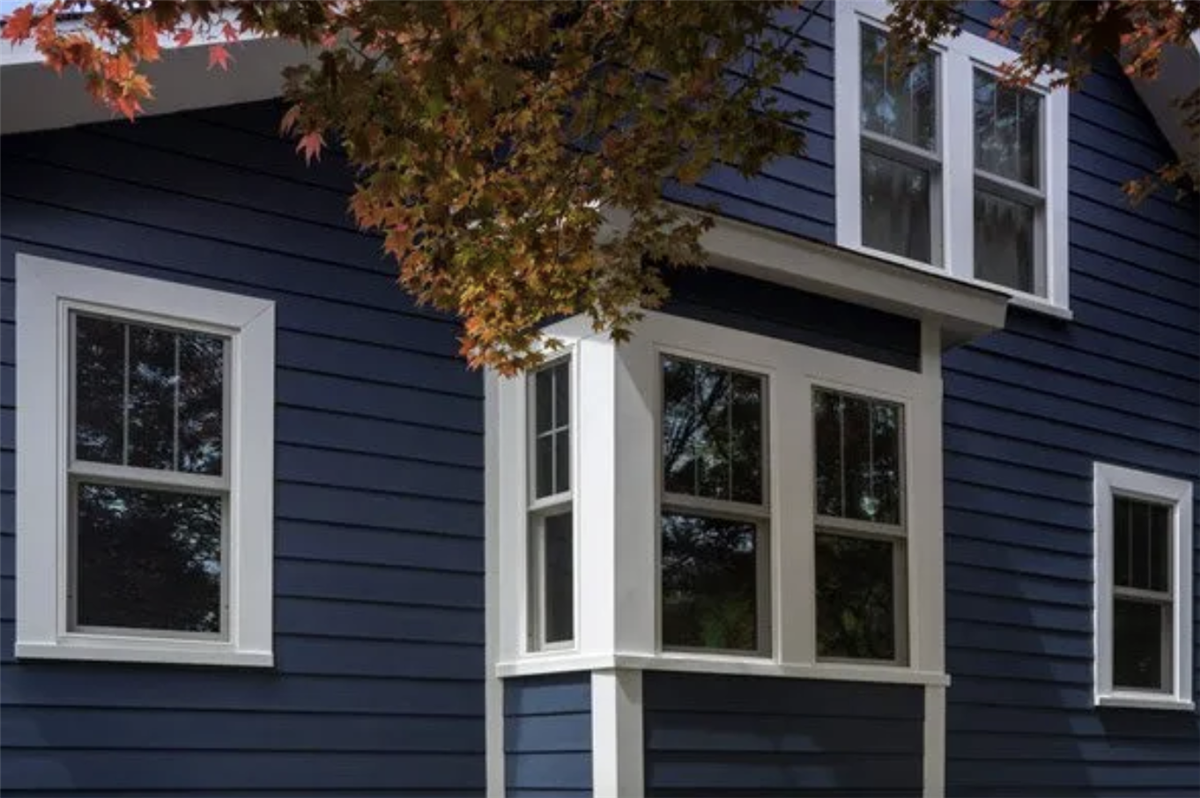
Cost by James Hardie Product Line
One of the biggest factors affecting your Hardie Board cost is the specific product line you choose.
HardiePlank Lap Siding (Cedarmill or Smooth)
Typical Austin Project Cost: $16,000 – $32,000
HardiePlank is by far the most popular James Hardie product and typically provides the best overall value.
Available in:
- Cedarmill texture
- Smooth finish
- Multiple reveal sizes
- Traditional and modern styles
For most homeowners researching fiber cement siding price Austin, this is the product we recommend first.
HardiePanel Vertical Siding
Typical Austin Project Cost: $19,000 – $35,000
HardiePanel is installed in large vertical sheets and is commonly used for:
- Contemporary homes
- Modern farmhouse designs
- Accent walls
- Board and batten applications
Popular textures include:
- Sierra 8
- Stucco
- Smooth
Because the panels are larger and require more layout planning, installation costs tend to be slightly higher than traditional lap siding.
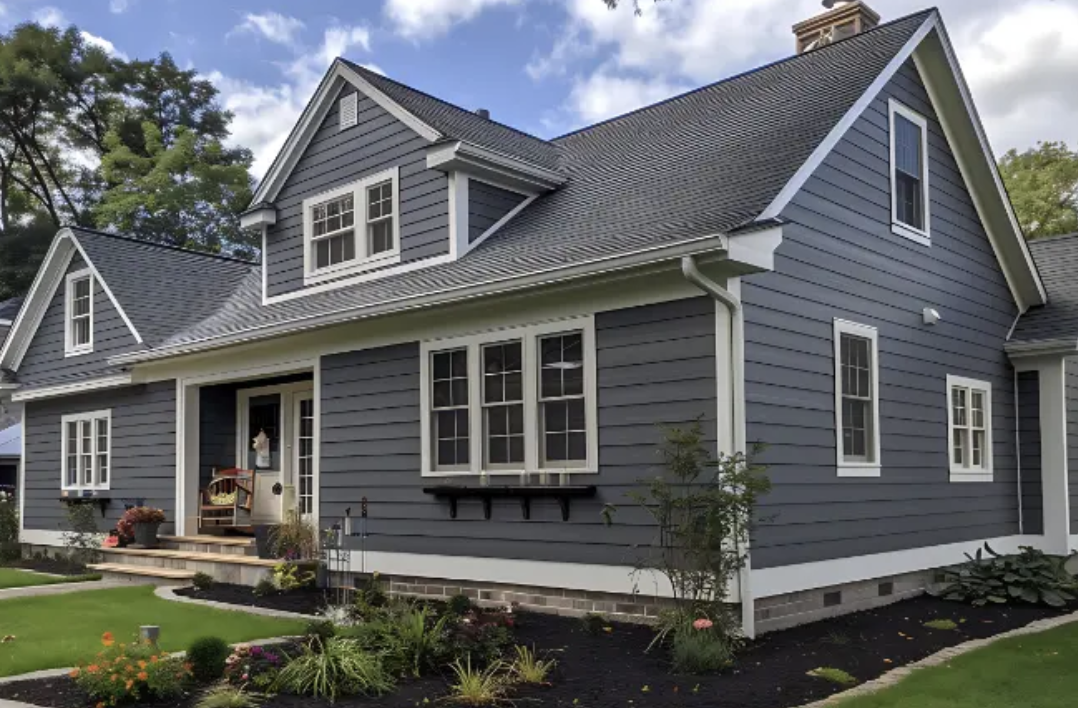
Board & Batten Siding
Typical Austin Project Cost: $28,000 – $48,000
Board & Batten has become one of the most requested siding styles throughout Austin, Georgetown, Dripping Springs, and Leander.
The higher cost comes from:
- Additional material
- Vertical battens
- Increased labor
- More cutting and layout work
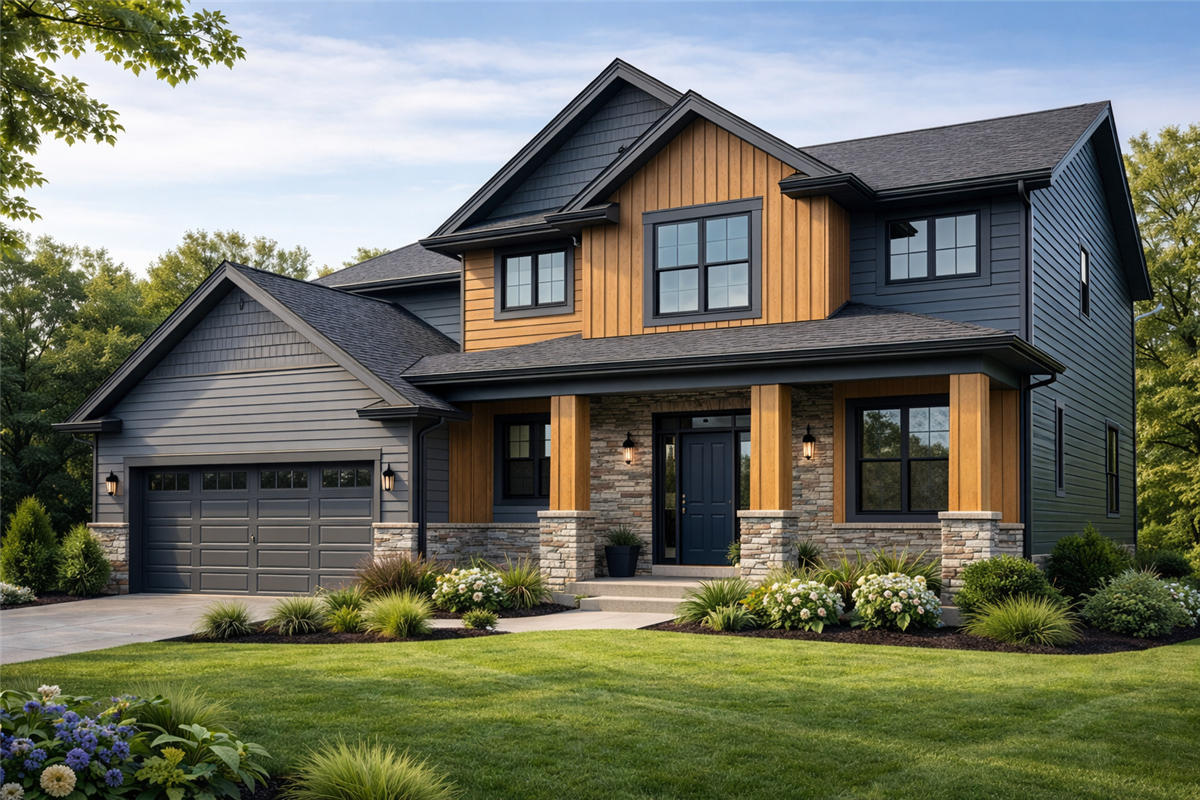
The finished appearance delivers a premium modern farmhouse aesthetic that many homeowners love.
HardieShingle Siding
Typical Austin Project Cost: $35,000 – $58,000
HardieShingle offers the appearance of cedar shake siding without the maintenance issues associated with real wood.
Often used on:
- Gables
- Accent walls
- Craftsman homes
- Coastal-inspired architecture
Full-home installations require significantly more labor, which is why they sit at the higher end of the pricing spectrum.
Aspyre Collection (Formerly Artisan Collection)
Typical Austin Project Cost: $24,500 – $48,000+**
Aspyre is James Hardie's premium architectural product line.
Profiles include:
- Ship Lap
- V-Groove
- Square Channel
These products feature thicker profiles, deeper shadow lines, and a high-end appearance often found on luxury custom homes.
The additional material thickness and installation complexity increase labor and material costs compared to standard HardiePlank.
What Factors Affect James Hardie Siding Cost?
Home Size and Number of Stories
The larger the home, the more siding, trim, paint, and labor are required.
Multi-story homes typically add:
- Additional scaffolding
- More safety requirements
- Increased labor time
Most two-story homes see pricing increase roughly 10%–15% compared to a similar one-story home.
Tear-Off and Demolition
Removing existing siding is a major component of every siding replacement project.
A standard single layer of siding removal is usually included.
Additional layers can add approximately:
$1,000 – $3,500+
depending on home size and material type.
What's Behind the Existing Siding?
One of the biggest unknowns in any siding project is what we discover after the old siding comes off.
Potential repairs include:
- Rotten sheathing
- Water damage
- Damaged framing
- OSB replacement
Optional upgrades may include:
- ZIP System sheathing
- Benjamin Obdyke rainscreen systems
- Enhanced moisture management assemblies
These items are addressed only as needed after tear-off.
Insulation Upgrades
Many homeowners use a siding project as an opportunity to improve energy efficiency.
Options include:
- Standard house wrap
- Foam board insulation
- Mineral wool insulation
Adding a complete exterior insulation layer typically costs:
$2,500 – $11,000+
but can significantly improve comfort during Austin's long summers.
Trim, Frieze Board, and Architectural Details
A significant portion of siding cost comes from finishing details.
These include:
- 3.5" Hardie trim
- 5.5" Hardie trim
- Belly bands
- Frieze boards
- Window trim
- Door trim
This is where much of the curb appeal and craftsmanship of the finished project is created.
Soffit, Fascia, and Ventilation
Many homes require updates to soffit and fascia during a siding replacement.
Common upgrades include:
- New soffit material
- Frieze board replacement
- Fascia replacement
- Improved attic ventilation
Proper ventilation is especially important in Austin's hot climate and can improve overall roof performance.
Posts, Columns, and Skirting
Additional architectural features can affect pricing.
Typical costs include:
- Porch post wraps: approximately $375 each
- Large decorative columns: approximately $575 each
- Foundation skirting: approximately $26.50 per linear foot
Paint and Color Selection
For primed siding projects, paint selection can significantly impact cost.
Factors include:
- Single-color vs. multi-color schemes
- Number of accent colors
- Paint product selected
Common systems include:
- Sherwin-Williams SuperPaint
- Sherwin-Williams Duration
- Sherwin-Williams Emerald
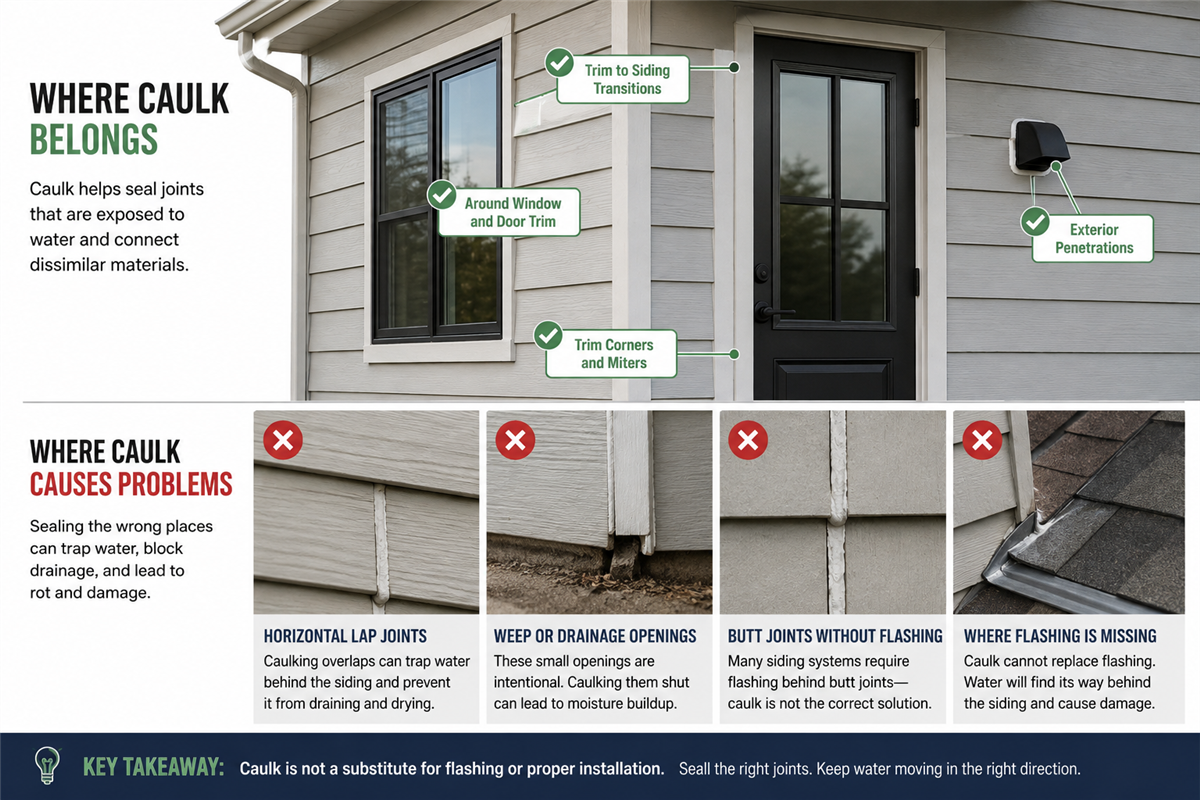
Caulking and painting a full home adds meaningful labor and material costs to the project.
Accents and Exterior Accessories
Additional upgrades homeowners frequently add include:
- Tongue and groove porch ceilings
- Hardie accent panels
- Cedar accents
- Decorative shutters
- Garage door trim
- Sturdimount mounting blocks
- Drip edge upgrades
- Chimney caps
- Exterior power washing
These items are often bundled into larger remodeling projects.
Is James Hardie Worth the Cost?
For many Austin homeowners, absolutely.
James Hardie offers several advantages:
- Exceptional durability
- Fire resistance
- Low maintenance requirements
- Resistance to rot and insects
- Excellent performance in Texas weather
- Strong resale value
Compared to wood siding, maintenance costs are dramatically lower over time.
Compared to vinyl siding, fiber cement typically provides better impact resistance, longevity, and curb appeal.
Can I Replace My Siding in Phases?
Yes.
Many homeowners choose to replace the most visible elevations first, especially if budget is a concern.
Partial replacements often make sense when:
- Damage is isolated
- Certain elevations are aging faster
- Future remodeling plans are already scheduled
However, full replacement often provides the best long-term value when the siding is reaching the end of its service life.
James Hardie Siding Cost FAQ
How much does it cost to side a house in Austin?
Most full-home James Hardie projects range between $17,500 and $45,000, with most homeowners investing between $20,000 and $35,000.
Is Hardie Board more expensive than vinyl siding?
Yes. Fiber cement siding costs more upfront but typically offers better durability, fire resistance, and long-term value.
Does James Hardie increase home value?
In many cases, yes. New fiber cement siding often improves curb appeal, buyer confidence, and resale value.
How long does James Hardie siding last?
James Hardie products carry a 30-year manufacturer warranty and can last significantly longer when properly maintained.
Is James Hardie good for Austin's climate?
Absolutely. Fiber cement siding performs exceptionally well against Austin's heat, UV exposure, humidity, storms, and occasional hail.
Get Started with a Free Consultation
Ready to upgrade your siding?
Book a free, no-pressure consultation: Schedule Now
Explore recent projects: Project Gallery
Ask about financing options: JP's Financing Portal
Remember: When you refer a friend or neighbor for windows, siding, roofing, or door replacement, you can earn up to $250 through the JP Exteriors Referral Program.
Subscribe to JP Exteriors's Blog

Comments