Three Shingle Brands, One Big Question: What Are You Actually Paying For?
When Austin homeowners replace a roof, they often compare three things first: price, shingle color, and the manufacturer's name.
Those are reasonable places to start. But they don't tell you everything about how a roof will perform through years of Texas heat, heavy rain, wind, and occasional hail.
IKO, Owens Corning, and Malarkey all make architectural asphalt shingles, but their product lines aren't identical. One line may emphasize a reinforced nailing zone. Another may offer a particular impact-resistance rating. A premium product may have a longer initial non-prorated warranty period or a different algae-protection package.
And here's the catch: a brand name doesn't tell you which features are included in the specific shingle on your estimate.
A basic architectural shingle from one manufacturer isn't necessarily comparable to a premium, impact-resistant product from another. Even within one brand, wind coverage and warranty terms can vary by product, installation method, and the roofing components used.
For Central Texas homeowners, the better question isn't simply, "Which brand is best?"
It's this: Which specific shingle gives your home the protection you need, at a price and warranty level that make sense?
Let's compare the three manufacturers on the details that matter.
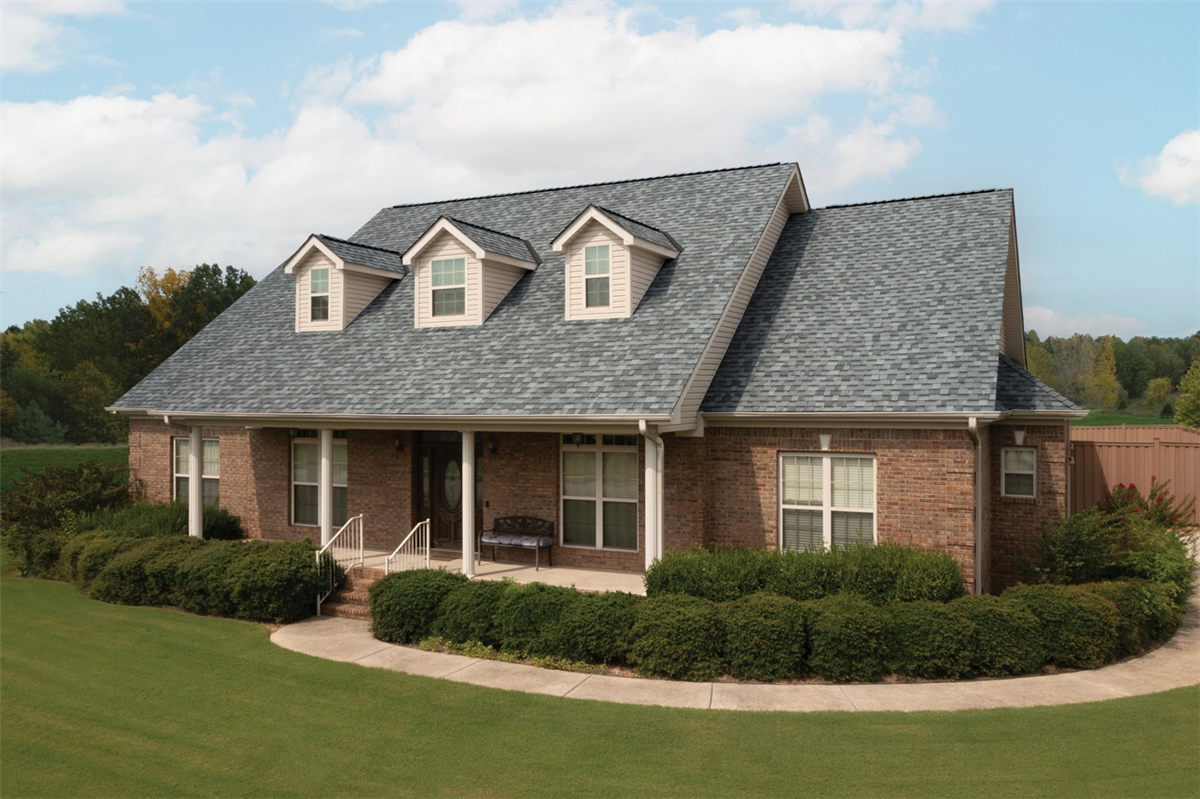
1. The Good, Better, Best Comparison
The following is a practical way to organize the options, not a claim that one manufacturer's entire lineup is better than another's.
| Tier | IKO example | Owens Corning example | Malarkey example |
|---|---|---|---|
| Good: mainstream architectural | Dynasty | TruDefinition Duration | Highlander |
| Better: enhanced impact protection | Nordic | Duration STORM | Vista |
| Best: premium features to evaluate | Nordic and applicable premium options | Duration FLEX or other premium options, depending on needs | Legacy |
These are representative products, not direct equivalents in every specification. Product availability, exact impact ratings, warranty options, and color selections can vary. Check the current technical data and warranty for the product being quoted.
The important distinction is that "good, better, best" should describe the features and protection in the actual proposal—not simply rank three brand names.
2. Wind Ratings: Why the Number on the Brochure Isn't the Whole Story
Wind performance is one of the most misunderstood parts of shingle shopping.
A homeowner might see a shingle advertised with a 130 mph or 160 mph wind rating and assume that means the roof is guaranteed to withstand winds at that speed.
That's not what the number means.
Manufacturers use specified testing methods and warranty terms to describe wind resistance. A test classification, a product's published wind limit, and the wind speed covered under a warranty are related, but they are not interchangeable.
What do 110 mph, 130 mph, and 160 mph actually mean?
The number may refer to a wind warranty limit or a product's stated performance under specified conditions. The applicable installation instructions, product line, and warranty determine what the number means for your roof.
For example, IKO's Dynasty lists a limited wind warranty of 130 mph. Owens Corning's Duration line advertises wind performance up to 160 mph when the required Owens Corning components are used and starter shingles are installed at both the eaves and rakes. Malarkey's product comparison lists a standard wind warranty of 110 mph and an enhanced option of 130 mph for several of its architectural shingle lines.
Those numbers should not be compared without reading the conditions attached to each one.
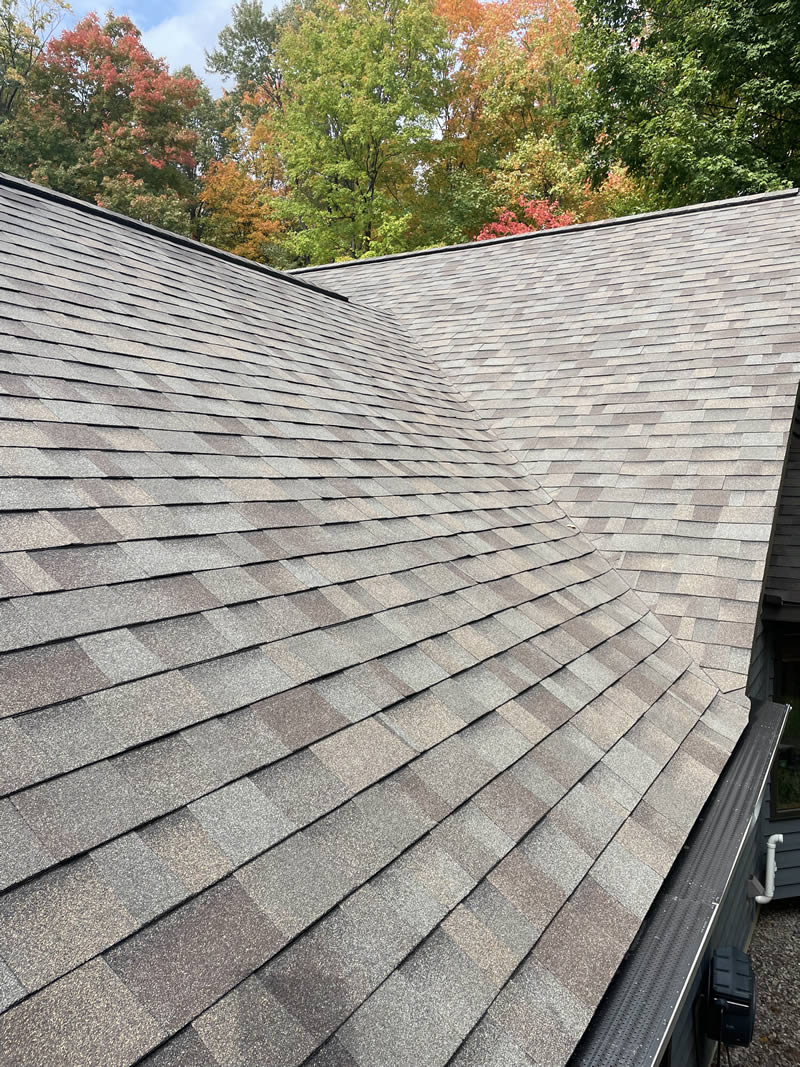
Why installation changes the result
A shingle is only one part of a roofing system. Its ability to resist wind depends on how the shingles are fastened, how the adhesive strips seal, the condition of the roof deck, and whether the installation follows the manufacturer's instructions.
Important details include:
Correct nail placement and fastener type.
The required number of nails.
Proper starter shingles at roof edges.
Correct installation of ridge and hip shingles.
Appropriate underlayment and roof-deck preparation.
Adequate time and conditions for the shingle sealant to activate.
IKO's Performance shingles use an ArmourZone reinforced nailing area designed to help with accurate fastening and resistance to nail pull-through. Owens Corning's Duration line uses its SureNail reinforced nailing zone. These are different approaches to improving the fastening area, but neither eliminates the need for correct installation.
What about shingles sealing after installation?
Many asphalt shingles use factory-applied adhesive strips that seal when exposed to suitable temperatures and sunlight. Until that seal activates, shingles can be more vulnerable to wind damage.
IKO specifically notes that its limited wind coverage does not apply to wind damage before the self-sealing strips have sealed.
This is one reason a roof's performance cannot be judged by the shingle's brochure alone. The installation conditions and the work performed at the edges, valleys, ridges, and other vulnerable areas matter, too.
What to ask your roofer: Which exact shingle is being installed, what wind coverage applies to it, and what installation requirements must be met to qualify for that coverage?
3. Granule Adhesion: What Keeps the Shingle Surface Intact?
Asphalt shingles are surfaced with mineral granules. These granules help protect the asphalt from ultraviolet exposure and contribute to the roof's color and appearance.
Over time, some granule loss is normal. You may notice loose granules in the gutters, particularly after a new roof installation. However, heavy or unusual granule loss can be a sign of wear, impact damage, manufacturing issues, or other roof conditions that deserve investigation.
Does one brand hold its granules better?
There isn't a simple, universal answer based on the brand name alone.
Manufacturers use different asphalt formulations, reinforcement methods, and product designs. They also publish different kinds of technical data, so comparing a single number from one company's brochure with a different measurement from another can be misleading.
Malarkey, for example, highlights its NEX polymer-modified asphalt technology and publishes comparative tear-strength information for certain products. Owens Corning emphasizes the reinforced nailing area and bonding performance of its Duration line. IKO emphasizes the reinforced ArmourZone nailing area on its Performance shingles.
These features address different aspects of shingle performance. Tear strength, resistance to delamination, nail pull-through resistance, and granule retention are not the same test.
A product with stronger reinforcement in one area shouldn't automatically be described as the best at every other aspect of durability.
What should homeowners look for?
Instead of relying on broad marketing claims, ask for the technical data sheet for the exact product being quoted. Look for documented testing, applicable standards, and the manufacturer's instructions.
Also remember that granule loss isn't caused by product quality alone. Roof age, foot traffic, hail, installation practices, and weather exposure can all influence what you see.
If an older roof has widespread bare patches or excessive granule accumulation, a qualified roofer can help determine whether the condition is normal aging, storm damage, or another issue.
4. Algae Resistance: Important in Humid and Shaded Areas
Dark streaks on asphalt shingles are often caused by blue-green algae, commonly identified as Gloeocapsa magma. These streaks can affect a roof's appearance and may be more noticeable on lighter-colored shingles.
Algae resistance is therefore worth considering when choosing a roof—especially in areas where moisture, shade, and limited sunlight create favorable conditions for growth.
How the three brands compare
IKO: Certain IKO products include limited algae-resistance coverage for blue-green algae. For example, IKO lists a 10-year limited algae-resistance warranty for Dynasty. Other products and warranty options can differ.
Owens Corning: Its StreakGuard algae-resistance protection is available on a variety of products. The manufacturer lists a 25-year algae-resistance warranty for several product lines, including Duration, when the required approved Owens Corning hip-and-ridge product is used. If the required ridge product isn't used, the coverage may be shorter.
Malarkey: Its algae-resistant products carry coverage that varies by product. Malarkey's published comparison lists 15 years for Highlander AR, 25 years for Vista AR, and limited lifetime algae coverage for Legacy Scotchgard products under the stated terms.
These examples illustrate why it is important to compare specific products rather than assuming every shingle from a manufacturer carries the same algae protection.
What does an algae warranty actually cover?
Usually, it covers specified discoloration associated with particular algae under the warranty's conditions. It does not necessarily cover every type of biological growth, and it isn't a promise that the roof will never develop streaks.
Read the exclusions and required accessories carefully. Also, don't confuse algae resistance with resistance to mold, moss, lichen, or moisture-related damage.
For a Texas home, it can be worth paying attention to the roof's exposure and surrounding trees, too. Shade and moisture conditions can influence the appearance of a roof even when algae-resistant shingles are installed.
5. Class 3 vs. Class 4: Does Impact Resistance Matter in Texas?
Hail is one of the most important reasons to examine impact-resistant shingles in Central Texas.
The UL 2218 impact-resistance classification system evaluates roofing materials using a specified impact test. Class 4 is the highest classification in that system, but the classification does not mean a roof is hailproof.
Which products offer Class 4 options?
The rating depends on the product line:
IKO: Dynasty is listed as Class 3 for impact resistance, while Nordic is listed as Class 4.
Owens Corning: Standard Duration is listed as Class 3. Duration STORM is designed to meet Class 4 impact-resistance requirements.
Malarkey: Vista and Legacy are listed as Class 4 options in the manufacturer's product comparison.
Confirm the current rating for the exact product and market before making a selection.
Does Class 4 mean the roof won't be damaged by hail?
No. Class 4 is a test classification, not a guarantee against hail damage.
Real-world outcomes depend on the hail's size, density, speed, wind direction, roof slope, age of the shingles, and other conditions. Even an impact-resistant shingle can sustain damage in a severe storm.
Impact resistance also doesn't mean the shingle is automatically covered by a warranty for hail damage. Manufacturers may exclude hail from their standard limited shingle warranties even when the product carries an impact rating.
Could Class 4 shingles lower my insurance premium?
Possibly, depending on your insurer, policy, property, and current eligibility requirements. Don't assume a discount is automatic or that the savings will be large enough to justify any price difference.
Before paying extra for an impact-resistant product, ask your insurance agent whether the exact product and classification qualify for a discount on your policy. Request the terms in writing and compare the potential savings with the added upfront cost.
That is a more reliable approach than choosing a shingle based on a general promise of insurance savings.
6. Warranty Fine Print: The Part Homeowners Should Read Before Signing
Shingle warranties can look impressive at first glance. "Limited lifetime," "130 mph wind coverage," and "25-year algae protection" all sound reassuring.
But the headline is only the beginning.
A warranty may cover manufacturing defects while excluding damage caused by improper installation, hail, inadequate ventilation, structural movement, or other conditions. Wind and algae protection may have their own limits, exclusions, and installation requirements.
Limited lifetime does not mean everything is covered forever
For a qualifying single-family home, a limited lifetime warranty generally describes the duration of certain manufacturing-defect coverage while the eligible owner owns the home. It does not mean the manufacturer promises to pay for every roof repair for the owner's lifetime.
Coverage can also change over time. Some warranties include an initial non-prorated period, during which eligible claims receive a different level of coverage than claims made later.
What is a non-prorated period?
The non-prorated period is the initial portion of a warranty during which the covered benefit is not reduced according to the product's age in the same way it may be later.
Once that period ends, a warranty may reduce the manufacturer's responsibility based on the time that has passed. The precise formula and covered costs depend on the warranty.
This is one reason two shingles advertised with "limited lifetime warranties" can offer meaningfully different protection.
Does the warranty cover labor?
Not necessarily.
Some standard warranties primarily cover defective shingles or other specified materials. Certain enhanced system warranties may include additional labor coverage, removal costs, or other benefits for qualifying claims.
Those benefits may require a complete roofing system from the same manufacturer, specific accessory products, registration, or installation by a contractor with the appropriate certification.
For example, Owens Corning's enhanced warranty options have different component and contractor requirements. IKO also offers extended warranty options through its ROOFPRO program, with requirements that differ from its standard warranty. Malarkey offers enhanced warranty options through qualifying contractors.
Don't assume the most extensive warranty is included in every roofing proposal.
A quick warranty checklist
Before signing, ask:
What is the exact shingle product and warranty document?
How long is the initial non-prorated period?
Is labor included, and for how long?
Are tear-off and disposal costs covered?
What wind damage is covered, and under what conditions?
What does the algae warranty cover—and what does it exclude?
Is hail damage excluded from the standard warranty?
Are manufacturer-matched underlayment, starter, ridge, or other components required?
Does the extended warranty require a certified contractor?
What registration or documentation must be completed after installation?
A warranty is only useful if you understand what it does and does not promise.
7. What About Texas Heat and Shingle Lifespan?
Austin's long cooling season and strong sun exposure put asphalt shingles through repeated heating and cooling. Roof ventilation, attic conditions, roof orientation, shading, and installation quality all influence the roof's long-term performance.
It's tempting to ask which brand lasts the longest, but a single lifespan number would be misleading. A premium shingle doesn't cancel out poor ventilation, incorrect nailing, inadequate flashing, or water intrusion.
Likewise, a lower-priced architectural shingle installed correctly as part of a well-designed roofing system may be a better fit for a homeowner than a premium product whose added features don't address the home's main risks.
When evaluating a shingle for Texas, look at the whole picture:
The product's documented performance and warranty.
Whether impact resistance is important for your property.
The roof's exposure to sun, shade, wind, and trees.
The condition of the roof deck and ventilation system.
The quality of underlayment, flashing, starter shingles, and ridge components.
The installer's workmanship and familiarity with the product.
The shingle matters. The system around it matters, too.
8. How to Compare Roofing Quotes Apples to Apples
If one contractor recommends IKO, another proposes Owens Corning, and a third quotes Malarkey, ask each contractor to identify the exact product rather than just the manufacturer.
Then compare the following:
| What to compare | Why it matters |
|---|---|
| Exact shingle line | Product tiers within a brand can have different performance features. |
| Impact classification | Class 3 and Class 4 products are not interchangeable. |
| Wind coverage | Published ratings and warranty limits may have different conditions. |
| Algae protection | Coverage length and required accessories can vary. |
| Warranty terms | Initial non-prorated periods, labor coverage, and exclusions matter. |
| Starter and ridge products | These components can affect installation quality and warranty eligibility. |
| Underlayment and flashing | Water management is a major part of roof performance. |
| Ventilation and deck repairs | The estimate should account for the existing roof system's needs. |
| Removal and disposal | Confirm what is included and how unexpected conditions are handled. |
| Workmanship warranty | Understand the contractor's own responsibility if installation problems occur. |
A quote that appears cheaper may leave out components or coverage that another proposal includes. The opposite can also be true: a higher price doesn't automatically mean a better roof.
The goal is to understand what you're buying before you compare totals.
Frequently Asked Questions
1. Is IKO better than Owens Corning?
Neither brand is automatically better in every category. Compare the exact shingle products, including wind coverage, impact rating, algae protection, warranty terms, and installed system components.
2. Are Malarkey shingles worth the extra cost?
That depends on the specific product and the value of its features for your home. If a premium line offers impact resistance, a longer algae warranty, or other documented benefits you want, the added cost may make sense. Compare actual proposals rather than assuming premium pricing guarantees better performance in every category.
3. Which shingles are best for hail in Austin?
If impact resistance is a priority, compare the exact Class 4 products available from each manufacturer. Class 4 is the highest UL 2218 classification, but it doesn't guarantee that hail cannot damage the roof. Check insurance eligibility separately.
4. Do all architectural shingles have a 130 mph wind warranty?
No. Wind coverage varies by product and warranty. Some manufacturers offer enhanced wind coverage only when specific installation methods or matching components are used. Check the current warranty for the exact shingle.
5. Does a 160 mph wind warranty mean the roof can withstand a 160 mph storm?
Not necessarily. The number applies under the manufacturer's stated terms and conditions. It is not a guarantee that the entire roof will survive every storm with wind speeds at or below that number.
6. Do Class 4 shingles come with a hail-damage warranty?
Not automatically. An impact-resistance classification describes performance under a specified test. The manufacturer's limited warranty may still exclude hail damage, so review the actual warranty before purchasing.
7. Are algae-resistant shingles worth it in Texas?
They may be worthwhile if roof appearance and resistance to blue-green algae streaking are priorities. Compare the coverage period and required accessories. Algae resistance does not prevent every type of biological growth or moisture-related problem.
8. Is granule loss normal on a new roof?
Some loose granules are normal, particularly around installation and in gutters after work is completed. Widespread bare spots, unusual granule loss, or other signs of deterioration warrant evaluation. The amount of granule loss alone does not establish the cause.
9. Does a limited lifetime warranty cover labor?
Not always. Standard product warranties may focus on manufacturing defects, while extended system warranties can include additional labor or removal coverage if their requirements are met. Read the exact warranty rather than relying on the phrase "limited lifetime."
10. Should I choose the shingle with the longest warranty?
Not automatically. Compare what the warranty covers, how long labor is included, the non-prorated period, exclusions, and installation requirements. A longer headline warranty may not provide better protection for the issue you're most concerned about.
The Takeaway: Compare the Shingle, Not Just the Brand
IKO, Owens Corning, and Malarkey all offer options worth considering for Central Texas homes. The right choice depends on the specific product, your priorities, your roof's condition, and the quality of the installation.
If wind performance matters most, compare the applicable wind warranties and fastening details. If hail is a major concern, look closely at Class 4 options and ask your insurer about eligibility. If roof appearance matters, compare algae-resistance coverage and its conditions. And before signing, read the warranty beyond the headline.
Most importantly, compare complete roofing systems—not just the shingle name and price.
A roof's long-term performance depends on the materials, the details beneath and around them, and the quality of the work that brings everything together.
Get Started With a Free Consultation
Thinking about replacing your roof? JP Exteriors helps homeowners in Austin and surrounding Central Texas communities evaluate roofing options and plan exterior remodeling projects. A free consultation is a chance to discuss your roof, compare material choices, and understand the scope of the work before moving forward.
Remember: When you refer a friend or neighbor for windows, siding, roofing, or door replacement, you can earn up to $250 through the JP Exteriors Referral Program
Subscribe to JP Exteriors's Blog


Comments