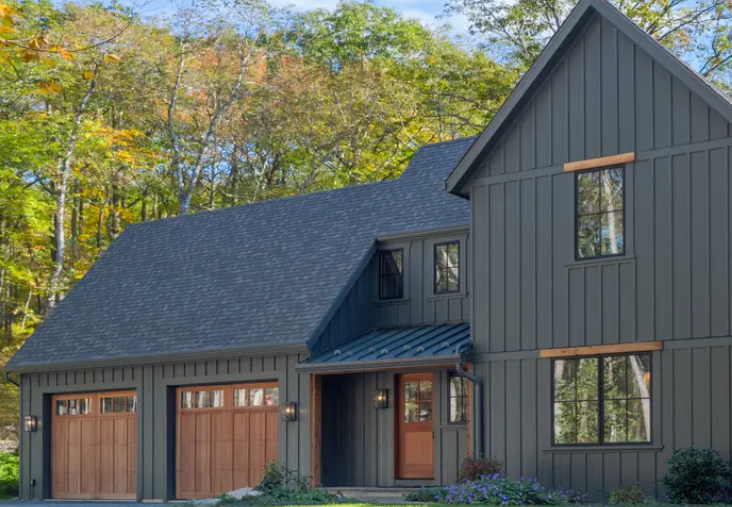
When homeowners picture a siding replacement, they're usually thinking about what they'll see from the street — new James Hardie siding, fresh paint, modern trim, better curb appeal. But one of the most important parts of your home's exterior is something you'll never actually see once the project wraps up: the OSB sheathing hiding behind your siding.
At JP Exteriors, we tell homeowners that siding is only as good as what it's attached to. Installing brand-new siding over damaged sheathing is a lot like laying new flooring over a rotten subfloor — it might look great on day one, but the underlying problem is still there. Here's why sheathing matters so much, what causes it to fail, and why replacing damaged sections mid-project isn't an upsell — it's just doing the job right.
What Is OSB Sheathing, Exactly?
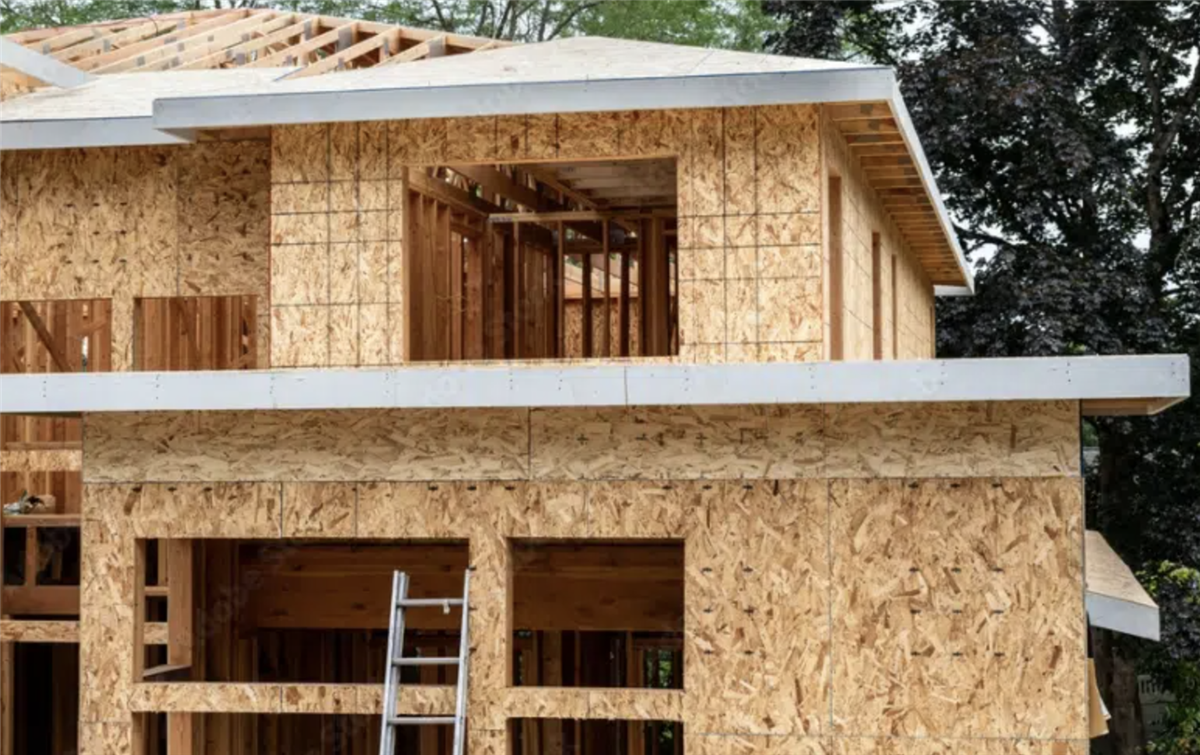
OSB (Oriented Strand Board) is the structural panel attached directly to your home's framing before siding goes on. It adds structural strength to your exterior walls, creates a solid surface for the siding to attach to, helps the wall resist wind loads, gives fasteners something secure to grip, and works as part of your home's overall weather barrier system.
Think of OSB as the backbone of your siding system — even the highest-quality siding can't perform the way it's designed to without solid sheathing underneath it.
What Causes OSB Sheathing to Rot?
OSB is built to handle normal weather exposure, but it isn't designed to stay wet for extended periods. Moisture typically finds its way to the sheathing through failed caulking, leaking windows, roof leaks, missing flashing, improperly installed siding, damaged trim, overflowing gutters, or years of slow water intrusion around doors and other penetrations.
Because the siding covers the sheathing, homeowners usually have no idea there's a problem until the old siding comes off.
Why the Damage Isn't Always Visible Before Demolition
A question we hear a lot is, "Why wasn't this included in my original estimate?" The answer is simple: until the existing siding comes off, no contractor can fully inspect the sheathing hidden behind it. There are sometimes clues — soft spots, visible water damage, bulging siding — but the only way to know the true condition is after demolition begins. That's why reputable contractors explain upfront that any needed sheathing repairs are handled as a separate item discovered during tear-off, not baked into a guess made before the walls are opened up.
Replacing Rotten OSB Isn't an Upsell — It's Restoration
When homeowners hear they need additional sheathing replacement, it's completely reasonable to wonder whether it's really necessary. It is. Replacing damaged OSB isn't an upgrade — it's restoring the structural surface your new siding depends on. Installing James Hardie fiber cement siding over rotten sheathing creates real problems: fasteners may not hold properly, walls can become uneven or wavy, water intrusion can continue behind the new siding, structural issues can worsen over time, and manufacturer installation standards may not be met. A quality contractor should never cover damaged sheathing just to keep the price down.
Why This Matters Even More with James Hardie Siding
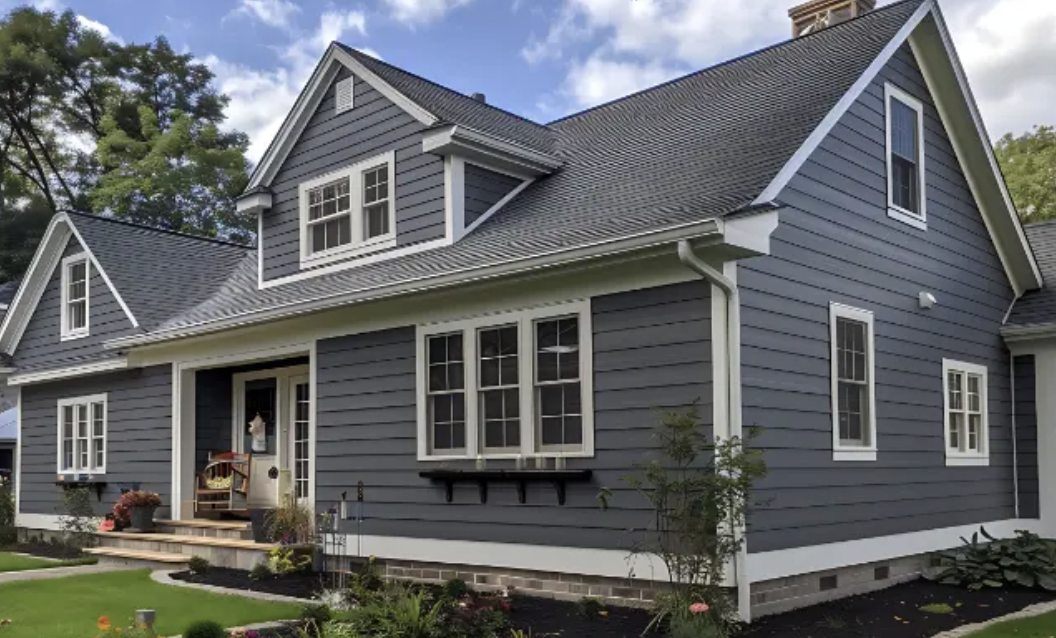
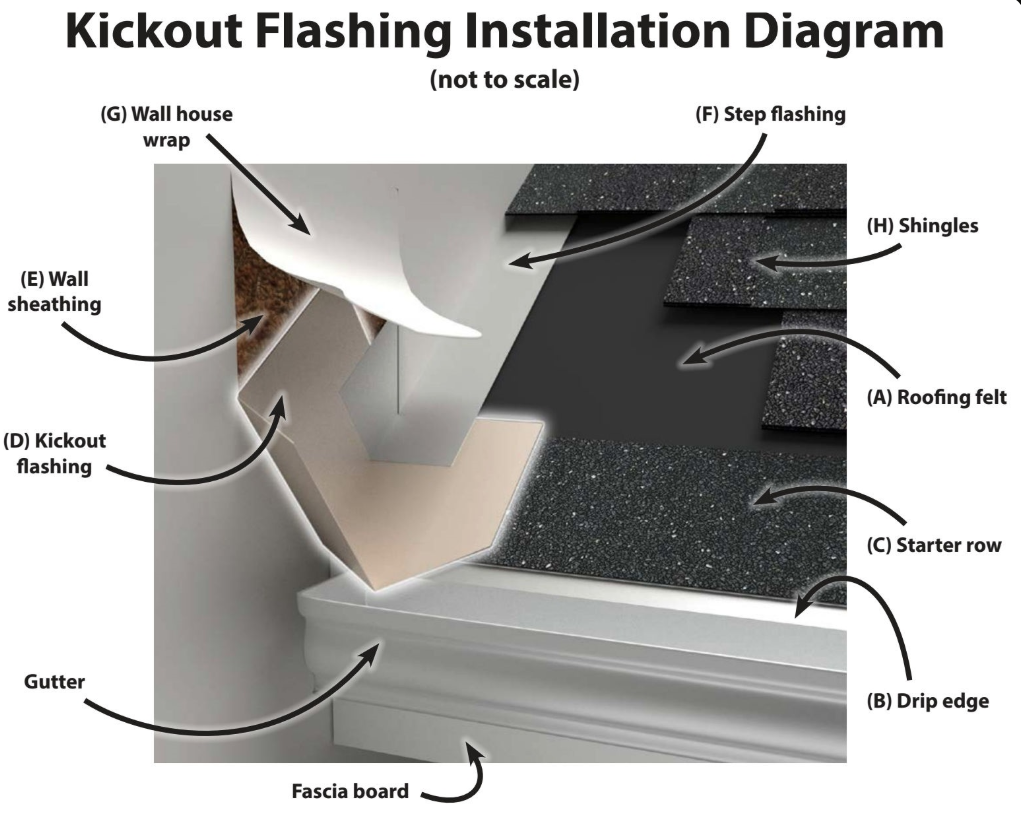
James Hardie siding is one of the most durable products on the market, but it's engineered to be installed over a solid, properly prepared wall system — sound sheathing, proper flashing, a weather-resistant barrier, correct fastening methods, and proper clearances and spacing. Installing Hardie siding over deteriorated sheathing compromises the whole system and can shorten the lifespan of your investment.
Does All the Sheathing Need to Be Replaced?
Not necessarily. Many projects only need localized replacement around windows, doors, roof intersections, hose bibs, deck attachments, or chimneys — the spots where moisture tends to sneak in. Homes with long-term moisture intrusion may need more extensive replacement. Every home is different, which is why we assess the actual condition once the existing siding has been removed, rather than guessing beforehand.
Why Choosing the Right Siding Contractor Matters
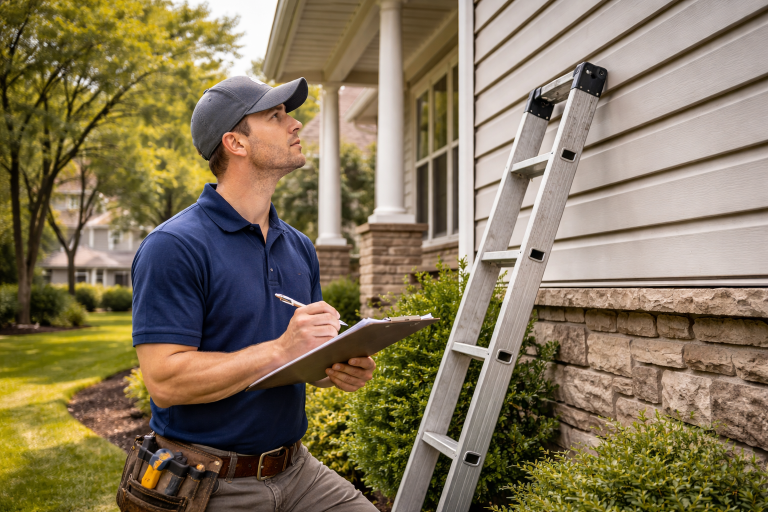
Siding replacement is a lot more than installing new boards — it requires understanding the entire wall assembly, from the framing outward. At JP Exteriors, we take the time to inspect what's behind your siding and walk you through anything we find during demolition. If damaged OSB sheathing turns up, we'll show you what we found, explain why it needs to be replaced, and only replace what's actually necessary so your new siding has a solid foundation underneath it.
Frequently Asked Questions
What is OSB sheathing?
OSB (Oriented Strand Board) is the structural wood panel installed over your home's framing before siding goes on. It provides strength and a secure surface for the siding system.
Does all rotten sheathing need to be replaced?
Yes. Any sheathing that's lost its structural integrity to moisture damage should be replaced before new siding goes on.
Why wasn't rotten sheathing included in my original estimate?
Because it's hidden behind the existing siding, its condition can't be fully evaluated until demolition begins. Most contractors flag that any damaged sheathing found during tear-off will be addressed as needed.
Can James Hardie siding be installed over rotten OSB?
No. James Hardie siding should only go over sound, structurally stable sheathing that meets manufacturer installation requirements.
How can I prevent OSB from rotting again?
Proper flashing, weather barriers, caulking, gutters, and professional installation all help keep moisture out and protect the sheathing behind your siding.
Get Started with a Free Consultation
Thinking about replacing your siding? Whether you're considering James Hardie siding, dealing with water damage, or just upgrading your home's exterior, JP Exteriors can help you understand exactly what's behind your current siding and what your home actually needs.
Remember: When you refer a friend or neighbor for windows, siding, roofing, or door replacement, you can earn up to $250 through the JP Exteriors Referral Program.
A beautiful exterior starts with a solid foundation — and that foundation begins behind the siding.
Subscribe to JP Exteriors's Blog



Comments