If you've ever priced out a new front door, you've probably felt the sticker shock. You find a door at a big-box store for a few thousand dollars, then get a quote from a local exterior contractor for significantly more — sometimes for what looks, at a glance, like the same door.
So what's actually going on?
The truth is a door isn't just a slab. The core, skin, jamb, hinges, glass, hardware, installation, and finishing details all affect the final price — and, more importantly, how the door performs over the next 10, 20, or 30 years. At JP Exteriors, we help Austin homeowners compare entry doors and patio doors every day, so here's what you're actually paying for.
The Slab Isn't the Whole Door
When you see a door advertised for $1,000 or $1,500, you're usually looking at just the slab — the large moving panel. A complete exterior door system includes a lot more than that: the door slab, the frame and jamb, the threshold, hinges, weatherstripping, lockset, glass, exterior and interior trim, flashing, fasteners, installation labor, and removal and disposal of the old door. Two doors can look nearly identical sitting in a showroom while being very different products once you look at everything underneath the surface.
1. The Slab Core Matters
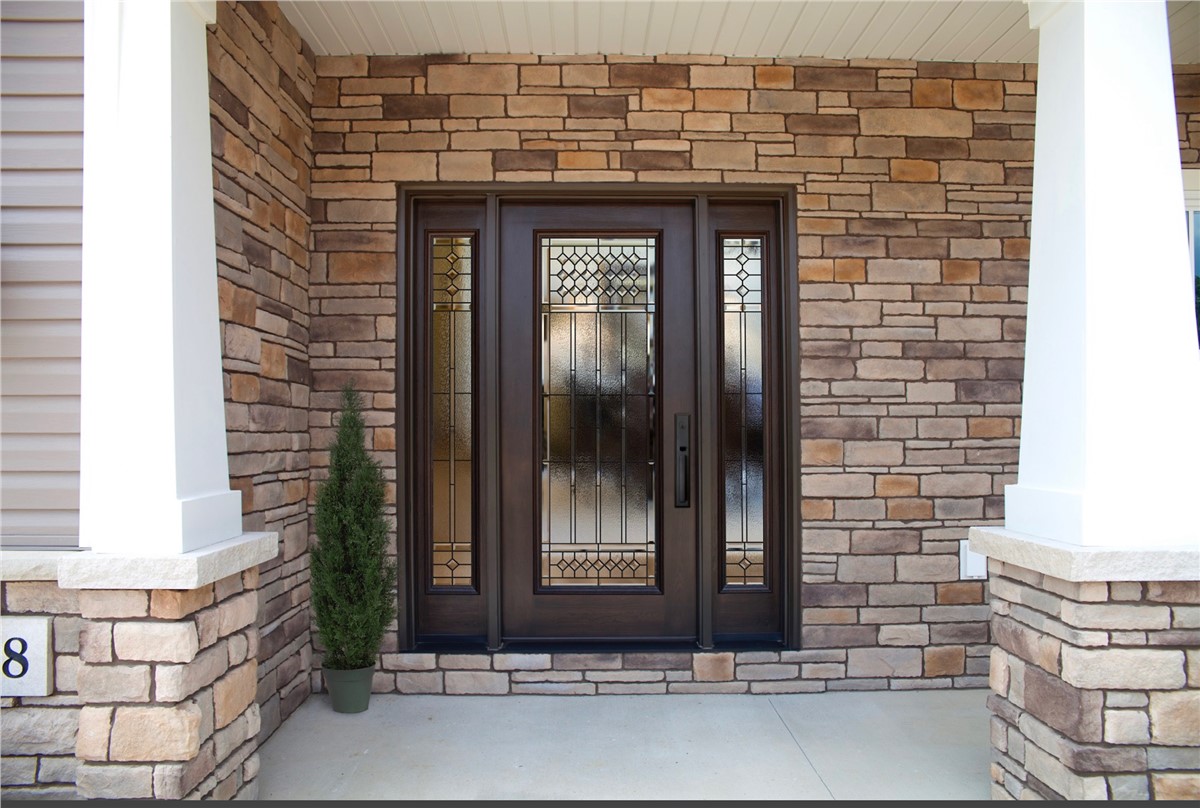
One of the biggest differences between entry doors is what's inside the slab. Fiberglass and steel doors use different core materials and construction methods, and a quality insulated door is built to deliver better energy efficiency, greater structural stability, better resistance to temperature swings, improved sound control, and long-term durability. A cheaper door may use a less substantial core built primarily around keeping the retail price low — which isn't necessarily a bad thing if you just need a basic door, but it's a big reason two similar-looking doors can carry very different price tags.
2. Skin Thickness Makes a Real Difference
The outer skin of a fiberglass or steel door takes the brunt of the abuse — Texas sun, rain, wind, temperature swings, and everyday use. A thicker, better-constructed skin holds up to that abuse better and gives the door a more substantial feel over time. This matters even more with darker finishes: black and other dark colors absorb significant heat in direct Texas sunlight, which makes material quality and construction that much more important.
3. The Jamb Is Part of the Door System
It's easy to overlook, but the jamb — the frame surrounding the door — is just as critical as the slab. A door can be beautifully built, but if it's installed into a low-quality or improperly sized frame, you can still end up with air leaks, water intrusion, difficult operation, uneven gaps, and poor weather sealing. Jamb materials and construction vary a lot between products, so when you're comparing quotes, make sure you're actually comparing the entire door system — not just the slab.
4. Why Does One Door Have More Hinges?
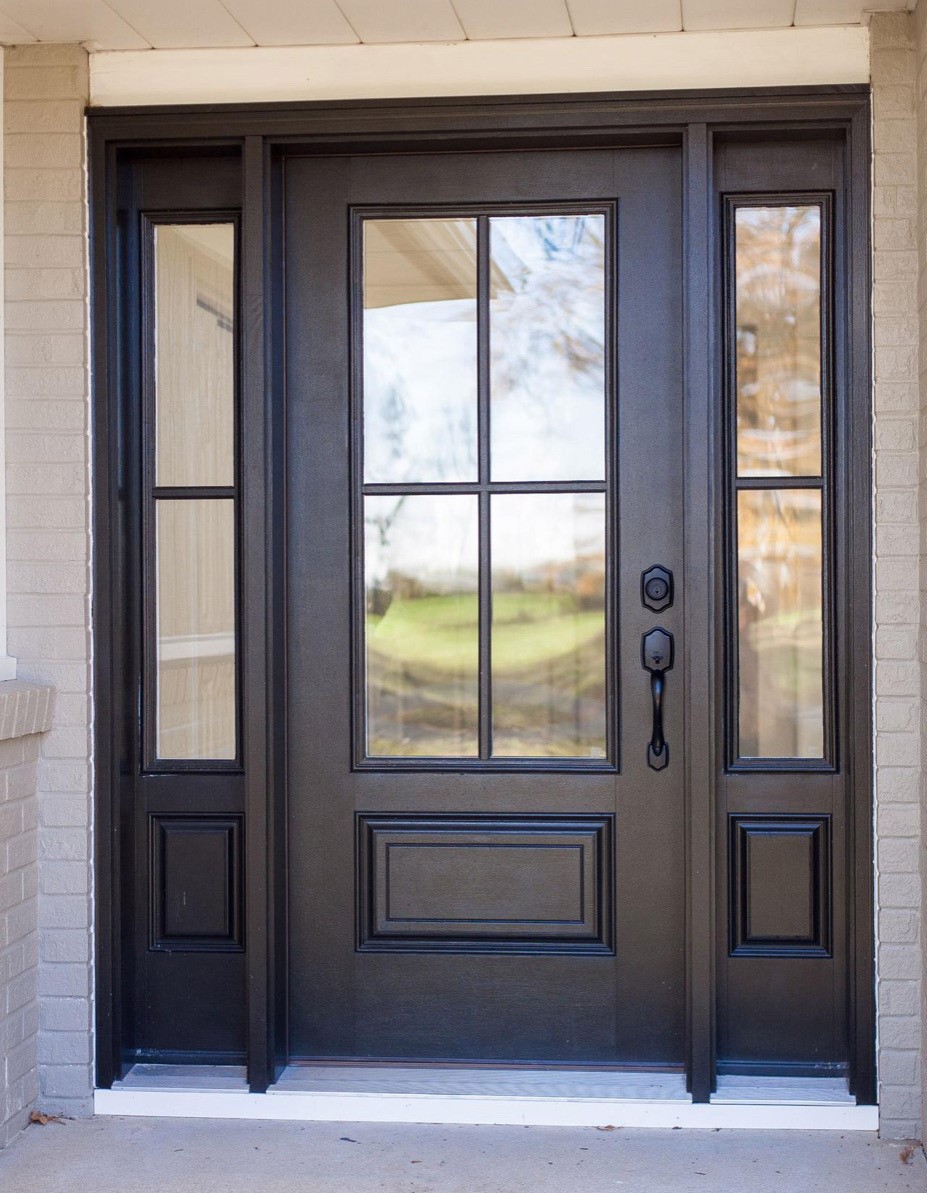
You've probably noticed some exterior doors have three hinges while others have four or more. A heavier, larger, or higher-end door often needs additional hinges to properly support the slab and keep it aligned over time. More hinges aren't automatically better, but the hinge configuration should match the size and weight of the door — and a quality installation means those hinges are properly secured into the framing, not just attached to trim or a weak surface.
5. Glass Can Change the Price Dramatically
A basic solid door and a door with decorative or oversized glass can carry completely different price tags. Glass options range from clear insulated glass to Low-E, decorative, privacy, and impact-resistant glass, along with various multi-panel configurations — and the choice isn't purely aesthetic. It affects energy efficiency, privacy, security, natural light, and overall cost. For Texas homeowners, energy-efficient glass is particularly worth prioritizing given how long our cooling season runs.
6. Installation Is Where Cheap Doors Get Expensive
This might be the biggest difference of all. A big-box store may sell you an inexpensive door, but who's actually installing it? Exterior door installation isn't as simple as removing the old door and screwing the new one into the opening — the installer has to account for the existing opening dimensions, level and plumb, flashing, water management, shimming, fastening, weatherstripping, threshold adjustment, exterior and interior trim, and proper operation once everything's in place. A poorly installed expensive door can genuinely perform worse than an inexpensive door installed correctly.
The Austin Factor
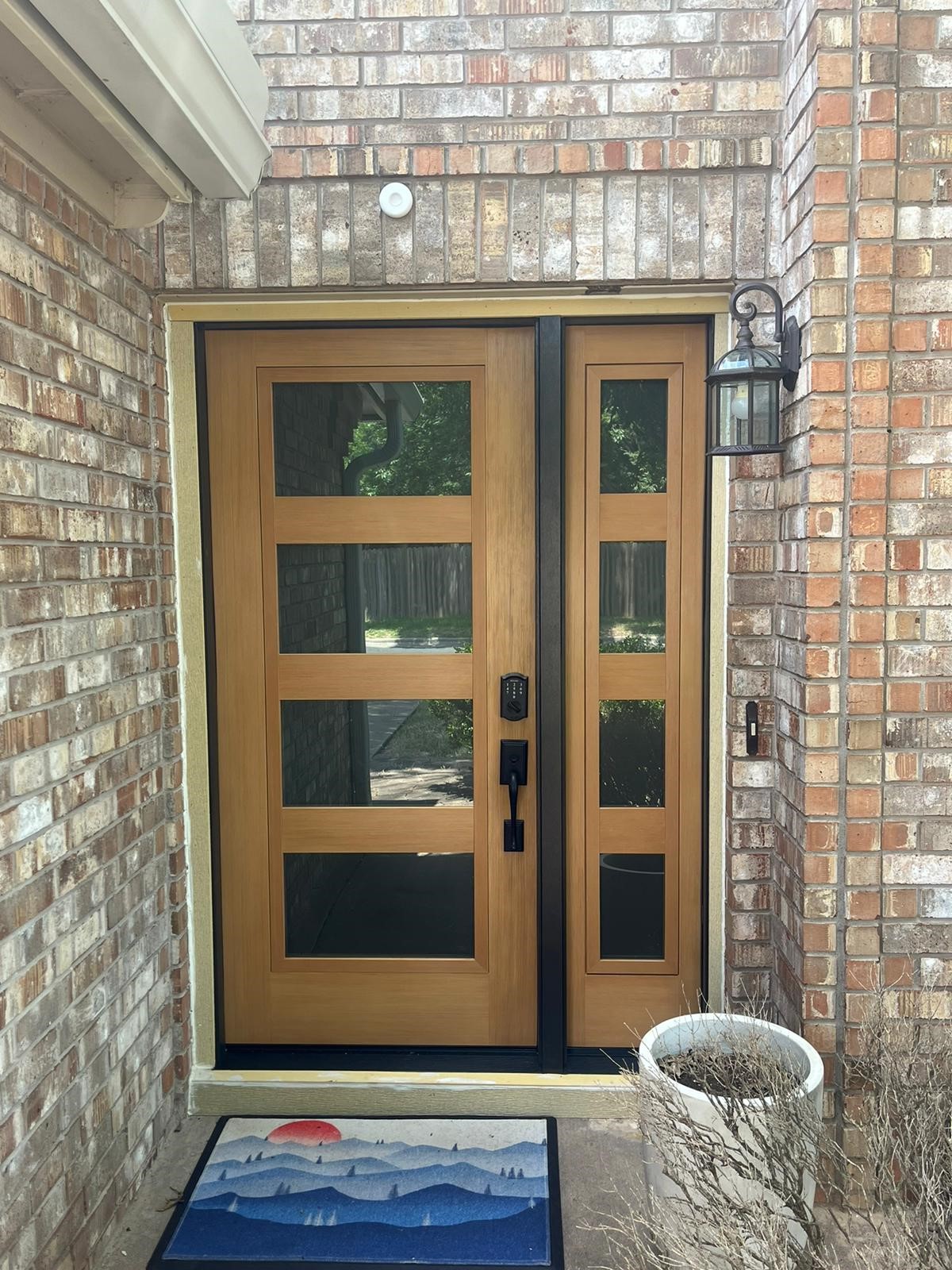
Texas homes face conditions that are particularly demanding on exterior doors — intense UV exposure, extreme summer heat, heavy rain, strong winds, and large temperature swings throughout the year. That's exactly why a decision shouldn't be based entirely on the number printed on the price tag. The better question is: what am I actually getting for the total installed price?
Is the Big-Box Door a Bad Deal?
Not necessarily. Big-box stores can offer legitimate value, particularly for homeowners who need a basic door, are comfortable managing installation themselves, have a straightforward opening, don't need much customization, and want to keep the initial material cost low. The problem comes when homeowners compare a door slab price to a complete, custom door-and-installation package and assume they're comparing the same thing. Often, they're not.
10 Things to Compare Before You Compare Prices
When you get multiple quotes, ask each company these questions: What is the exact manufacturer and model? What is the core construction? What is the exterior skin made from? What material is the jamb? How many hinges are included? What type of glass is included? Is the threshold included? Is exterior and interior trim included? Is removal and disposal included? And who is actually installing the door? Once you have answers to those ten questions, the price differences usually start making a lot more sense.
A $2,000 Door Isn't Always a $2,000 Door
That's really the takeaway here. When you're shopping for a new front door in Austin, don't compare the number on the sticker — compare the entire door system. A lower-priced door may be exactly what you need for a straightforward project. A premium door may be well worth the investment if you're after better materials, customization, energy efficiency, security, and long-term durability. What matters most is knowing what you're actually buying.
Why JP Exteriors?
At JP Exteriors, we help homeowners compare exterior doors based on their home, budget, style, and goals — not by pushing the most expensive option. We install premium entry doors from brands including ProVia, Pella, and Andersen, along with a range of patio and exterior door options. Whether you're replacing a basic builder-grade front door or looking for a high-end statement piece, we'll help you understand the real differences before you decide.
Frequently Asked Questions
Why are contractor-installed doors more expensive than big-box doors?
A contractor quote typically includes more than just the door — removal, disposal, framing adjustments, flashing, installation, trim, hardware, and finishing work are often part of the package.
Is a fiberglass door better than a steel door?
It depends on the application. Fiberglass offers excellent durability and weather resistance, while steel provides excellent strength and value — the construction and quality of the individual door matter as much as the material itself.
How much does a new front door cost in Austin?
Pricing varies significantly based on material, size, glass, hardware, customization, and installation. At JP Exteriors, premium front doors can start around $5,000 installed, with highly customized doors costing considerably more.
Should I buy the door myself and hire someone to install it?
You can, but make sure the installer is comfortable working with that specific product, and confirm that measurements, flashing, warranty requirements, and installation specifications are properly handled.
What should I look for in a Texas exterior door?
Durable construction, insulated glass where applicable, quality weatherstripping, materials suited to Texas heat, and professional installation.
Does the thickness of a door slab really matter?
Yes. Door construction, including the thickness and composition of the slab, can affect durability, insulation, security, appearance, and overall performance.
What is the difference between a cheap door jamb and a premium door jamb?
Jamb materials, construction, weather resistance, and hardware compatibility can vary significantly between doors and can affect how well the complete door system performs.
Why do some exterior doors have more hinges than others?
Larger or heavier doors may require additional hinges to properly support the door slab and maintain alignment over time.
Does professional door installation really make a difference?
Yes. Proper shimming, leveling, flashing, weather sealing, and adjustment are important to ensure the door operates correctly and resists air and water infiltration.
What should I compare besides the price of an exterior door?
Compare the complete door system, including the slab, frame, glass, hardware, weatherstripping, threshold, finish, warranty, installation, and any required modifications to the opening.
Get Started With a Free Consultation
Thinking about replacing your front door, patio door, or entry system? JP Exteriors can help you compare options and understand exactly what's included before you commit.
Don't just compare the price of the door. Compare what's actually behind the price.
Remember: When you refer a friend or neighbor for windows, siding, roofing, or door replacement, you can earn up to $250 through the JP Exteriors Referral Program.
Subscribe to JP Exteriors's Blog


Comments