A freshly painted wood front door can completely transform the look of a home. But in Austin and throughout Central Texas, that beautiful finish has to fight an unusually tough combination of heat, UV exposure, humidity, rain, and constant temperature swings. If the door faces south or west — or you've chosen a dark color — the conditions get even harder.
That's why some homeowners find their new paint cracking, peeling, fading, or leaving the wood underneath vulnerable after only a few years. The problem usually isn't that "paint doesn't work" — it's that wood doors need the right finish, preparation, color, and protection for their specific exposure.
Why Texas Sun Is So Hard on Wood Doors
Wood naturally moves as temperature and moisture change, and direct sunlight adds another variable on top of that: it heats one side of the door dramatically while the interior side stays much cooler. That temperature difference can contribute to movement, cracking, splitting, and warping. Door manufacturers specifically warn that dark finishes make this worse, since dark colors absorb more solar energy — and in Texas, that matters a lot.
A west-facing front door can spend the hottest part of the afternoon in direct sun, and a south-facing door can see prolonged exposure through much of the day. On top of sunlight, the door is also dealing with summer heat, UV radiation, sudden temperature swings, humidity, rain, moisture around the threshold, daily opening and closing, and the ongoing expansion and contraction of the wood itself. A finish that isn't designed and applied for those conditions doesn't have much margin for error.
South- and West-Facing Doors Are the Hardest
Not all front doors have the same exposure. A north-facing entry protected by a deep porch can perform very differently from a west-facing door sitting in direct afternoon sun. Door manufacturers specifically call out southern and western exposures as more demanding for wood doors — Rogue Valley Door, for example, notes that southern exposure can be particularly tough on wood exterior doors and recommends additional protection from direct sunlight.
That means orientation should be part of the conversation before you ever choose a finish. If you're replacing or refinishing a wood door in Austin, ask which direction the door actually faces — it's one of the simplest questions that can make a major difference in how long the finish lasts.
Why Dark Colors Can Be a Problem
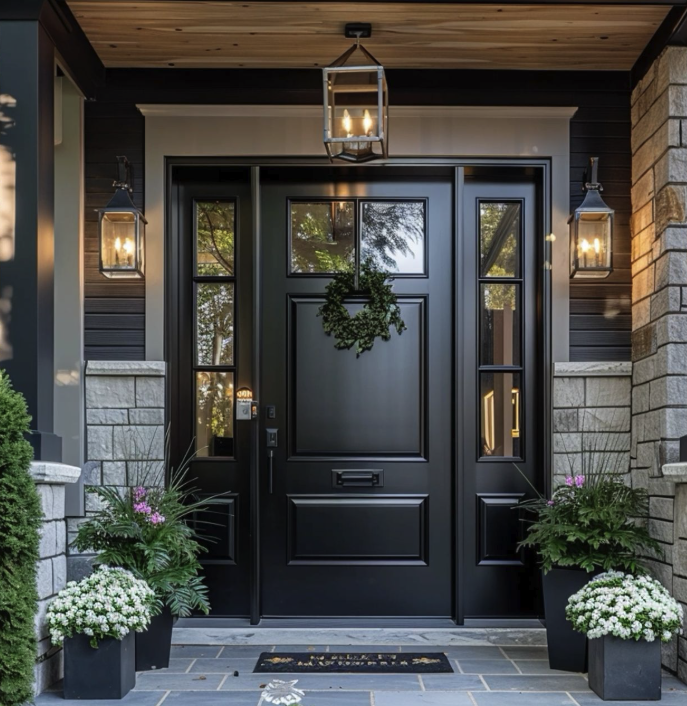
Black and other dark front doors look fantastic, and they're extremely popular right now. But there's a real tradeoff when that color sits in direct Texas sun. Dark colors absorb more solar energy, which raises the temperature of the exterior surface and creates a bigger temperature gap between the sun-facing exterior and the cooler interior side of the door — and that gap adds extra stress to the wood and its joints.
Several manufacturers specifically caution against dark colors on exterior wood doors with significant sun exposure. Simpson, for instance, defines dark paint as anything with an LRV below 55 and warns that dark colors can contribute to cracking, movement, and splitting. That doesn't mean you can never have a black wood door in Texas — it means you need to know exactly what you're putting it through.
Some manufacturers now offer specific door constructions and finishing systems built to allow darker colors under defined conditions. Simpson, for example, has a solution for certain wood doors that permits dark colors while keeping warranty coverage intact, as long as their requirements are followed. So instead of asking "can I paint my wood door black," the better question is: is this specific door designed and warranted for a dark finish in this exposure?
The Finish Isn't Just About Color
A common mistake is treating a wood door like any other painted surface — it isn't. The finish is the protective layer standing between the wood and the environment, and a properly finished exterior wood door needs a full coating system designed for exterior use and applied according to both the door and finish manufacturer's requirements. Simpson, for example, recommends a quality exterior primer followed by compatible exterior topcoats, while other manufacturers call for multiple coats of exterior-grade finish with UV inhibitors built in. What matters is the entire finish system working together, not just the brand name on the can.
Film-Forming Finishes vs. Wood Finishes
This is where things can get confusing. Some wood door finishes are designed to create a film over the surface, while others are penetrating finishes that work differently with the wood itself. A film-forming coating can provide excellent protection when the product, preparation, application, and maintenance are all appropriate — but once that film starts to break down, crack, or lose adhesion, moisture can get underneath it, turning a cosmetic problem into a real wood-protection problem.
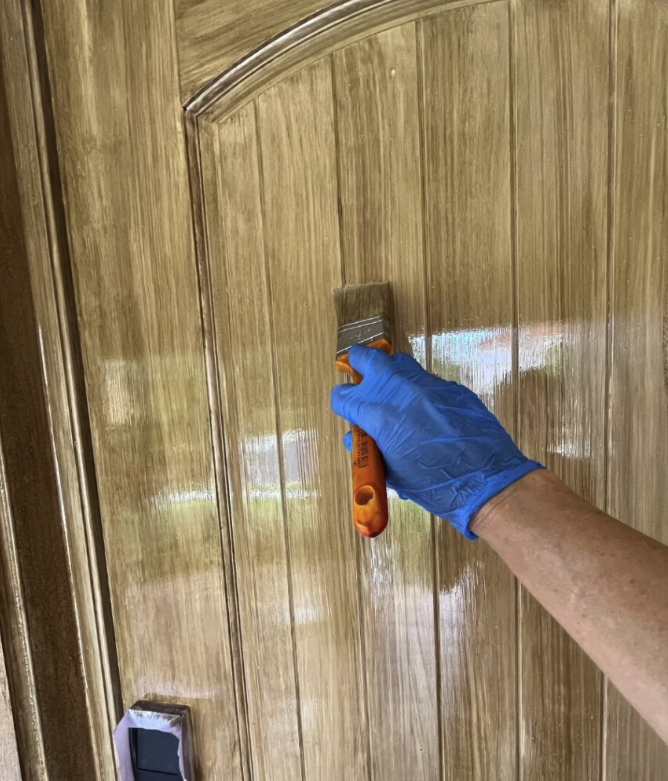
For doors with a stained or clear-finished look, manufacturers generally emphasize multiple coats, complete coverage, UV protection, and regular maintenance. Rogue Valley Door, for example, recommends multiple coats of exterior clear finish and specifically warns against dark stains on sun-exposed doors. The bottom line: there isn't one magic "best paint" for every wood door. The finish needs to be compatible with the door itself, the existing coating, the desired color, and the exposure it's going to face.
Preparation Is Where Long-Term Performance Starts
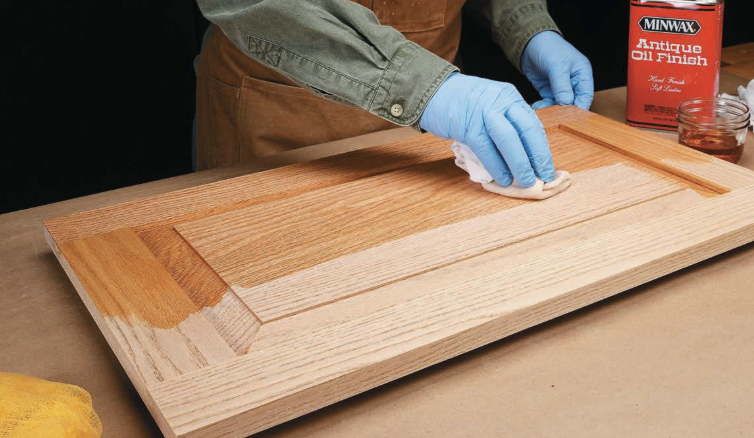
You can't paint your way out of bad preparation. If the existing coating is peeling, chalking, cracking, or failing, simply adding another coat over it doesn't address the actual problem underneath. Depending on the door's condition, proper preparation can involve removing the failing finish, cleaning the surface, sanding appropriately, repairing damaged wood, sealing any exposed wood, priming where required, and applying compatible exterior finish coats across every surface. Manufacturers emphasize proper prep and complete coverage for a good reason — unfinished areas give moisture a direct path into the wood.
Don't Forget the Top, Bottom, and Edges
Here's a detail that's easy to overlook: a wood door isn't just the big flat surface you see standing in the driveway. The top, bottom, side edges, cutouts, and areas around the hardware all need proper sealing and finishing too. Manufacturers specifically call for these exposed surfaces and edges to be sealed, since they're common pathways for moisture to sneak in. If you're refinishing a wood door, don't focus exclusively on what looks good from the street — the goal is protecting the entire door, not just the visible face.
What Actually Holds Up in Texas?
The answer isn't simply "use a more expensive paint." A long-lasting wood door finish comes down to several things working together: choosing a wood species and door construction suited to demanding exterior use, matching the finish to a system that's actually approved for that specific door, considering how light or dark the color is (since lighter and mid-tone colors put less thermal stress on a sun-exposed door than very dark ones), accounting honestly for the door's sun exposure, protecting it from direct weather with a properly designed overhang or covered entry where possible, and staying on top of maintenance — because even the best finish eventually needs attention, and manufacturers recommend inspecting exterior door finishes regularly and recoating when necessary.
What About Staining a Wood Door?
Staining creates a beautiful natural-wood look, but it isn't necessarily a lower-maintenance alternative to paint. Clear and translucent finishes still have to deal with the same UV exposure and weather, and on heavily exposed doors, keeping that finish looking good can require more frequent attention than homeowners expect. The more protection a door gets from direct sun and rain, the longer its finish generally lasts. If your top priority is maximum durability with minimum maintenance, it's worth comparing a properly specified painted wood door against other exterior door materials rather than assuming wood is automatically the right call.
What About a Black Front Door?
You don't necessarily have to give up the look you want. If you love a black or charcoal front door, it's worth discussing the door material, the manufacturer's specific requirements, the color's LRV, your home's actual sun exposure, how much porch coverage you have, the exact paint or finish system being used, and any warranty requirements tied to that combination. Some manufacturers have developed specific solutions for dark-painted exterior wood doors — the mistake is choosing the color first and figuring out whether the door can handle it afterward, rather than the other way around.
When It's Time to Refinish — or Replace
If your existing wood door shows peeling paint, cracking finish, bare exposed wood, swollen panels, warping, splitting, water damage, or persistent sticking, it's worth having the door evaluated rather than just adding another coat of paint. Sometimes the finish can be successfully restored. Other times, the underlying wood or door construction has deteriorated enough that replacement genuinely makes more sense.
The Bottom Line for Austin Homeowners
A wood door can absolutely work in Texas, but Texas sun changes the rules. A south- or west-facing door with a dark finish is under substantially more stress than a shaded entry, and choosing the right door, using a compatible exterior finish, preparing the surface correctly, sealing every exposed area, and protecting the door from direct weather all matter. If you're choosing a new front door, the finish should be part of the conversation before the door is ordered — not something you figure out afterward.
At JP Exteriors, we help Austin-area homeowners compare exterior door options based on the home's style, sun exposure, material preferences, and budget.
Frequently Asked Questions
Why does paint peel on wood doors in Texas?
Texas heat, UV exposure, moisture, and repeated expansion and contraction can cause exterior coatings to crack, lose adhesion, and eventually peel — especially on doors exposed to direct sunlight.
What direction is hardest on a wood front door in Texas?
South- and west-facing doors generally receive the most intense sun exposure and can be particularly challenging for wood doors and their finishes.
Can I paint a wood front door black in Texas?
Yes, but dark colors absorb more solar heat and can increase stress on an exterior wood door. The specific door, finish system, sun exposure, and manufacturer requirements should all be considered before choosing a very dark color.
What is the best paint for a wood front door in Texas?
There isn't one universal paint that's best for every wood door. The finish should be an exterior-rated system that's compatible with the door and appropriate for its exposure, color, and existing finish.
How often should I repaint a wood front door in Austin?
It depends on the door's exposure, finish, color, and condition. A heavily sun-exposed door may need maintenance sooner than one protected by a deep porch or overhang — inspecting the finish regularly matters more than following a fixed schedule.
Does a covered porch protect a wood door from Texas weather?
Yes. A properly designed overhang or covered entry can reduce direct exposure to sunlight and rain, helping protect both the wood and its finish.
Should I stain or paint my wood front door?
Both can work, but the right choice depends on the type of wood, desired appearance, exposure, and maintenance expectations. Stained and clear-finished doors can require regular maintenance to protect against UV and moisture.
Why is my wood door cracking even though it was recently painted?
Cracking can result from movement in the wood caused by changes in temperature and moisture. Dark finishes and intense direct sunlight can increase thermal stress and contribute to the problem.
Can a wood door be repaired instead of replaced?
Sometimes. If the underlying wood and door structure are still sound, the existing finish can often be stripped, damaged areas repaired, and the door refinished. Severe rot, warping, splitting, or structural deterioration may make replacement the better option.
How can I protect my wood front door from Texas sun?
Start with the right finish and proper preparation, then reduce direct exposure with a covered entry or adequate overhang when possible. Choosing an appropriate color and maintaining the finish regularly can also extend the door's life.
Are dark-colored wood doors a bad idea in Austin?
Not necessarily. Dark doors can work in Austin, but they require more consideration when exposed to direct sunlight. Homeowners should check the door manufacturer's requirements and choose a finish system designed for the specific application.
Is a fiberglass or steel door better than wood for Texas heat?
Fiberglass and steel doors can offer lower-maintenance alternatives to wood, particularly in heavily exposed locations. Wood still offers a distinctive appearance and can perform well when properly specified, finished, and maintained.
What happens if water gets into a wood exterior door?
Repeated moisture exposure can lead to swelling, cracking, rot, finish failure, and deterioration of the door over time. Proper sealing and finishing of all exposed surfaces are important for preventing moisture intrusion.
Does the type of wood matter for an exterior door in Texas?
Yes. Different wood species have different characteristics related to moisture movement, durability, density, and finishing. The species and door construction should be considered together with the home's exposure.
How do I know when it's time to replace my wood front door?
If the door has significant rot, warping, splitting, persistent sticking, structural deterioration, or recurring finish failure, replacement may make more sense than continued refinishing. A professional evaluation can help determine whether the existing door can be restored.
Get Started With a Free Consultation
Thinking about a new wood door, or trying to save the one you have?
Remember: When you refer a friend or neighbor for windows, siding, roofing, or door replacement, you can earn up to $250 through the JP Exteriors Referral Program.
Subscribe to JP Exteriors's Blog




Comments