When homeowners compare roofing estimates, they usually focus on shingles, color, warranty length, and price. One of the most important components, however, is the layer installed underneath the shingles: roofing underlayment.
Underlayment is not visible after the roof is completed, but it helps provide secondary protection against water intrusion. It also affects how a roof installation handles foot traffic, wind, rain delays, and exposure during construction.
For Austin-area homes, the choice between synthetic underlayment and asphalt-saturated felt deserves more attention than it often receives.
What Is Roofing Underlayment?
Roofing underlayment is a protective layer installed over the roof deck and beneath the finished roof covering.
The roof deck provides the structural base. The shingles or other roof covering provide the primary weather barrier. Underlayment sits between them as an additional layer of protection.
It can help:
Reduce the chance of water reaching the roof deck
Protect the deck during installation
Provide temporary weather protection before the roof covering is installed
Separate the roof covering from the deck
Improve the overall performance of the roofing system when properly installed
Underlayment is not a substitute for properly installed shingles, flashing, ventilation, or roof-deck repairs. It is one part of a complete roofing system.
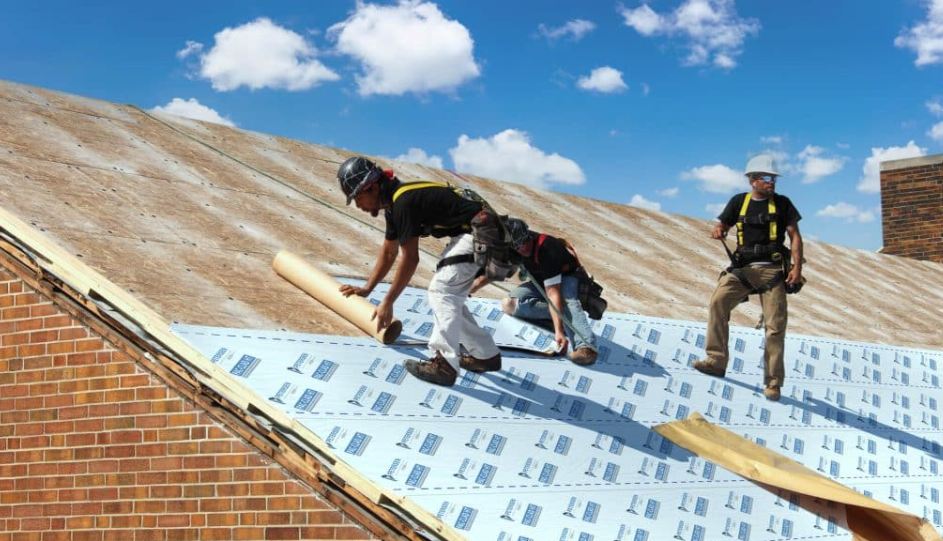
Asphalt Felt: The Traditional Option
Asphalt-saturated felt has been used in roofing for decades. It is commonly called roofing felt, tar paper, or by its approximate weight, such as No. 15 or No. 30 felt.
Felt remains a recognized roofing underlayment option under applicable building codes. It is familiar, widely available, and generally less expensive than many synthetic products.
However, felt has limitations.
Because it is made from a fibrous material saturated with asphalt, it can:
Tear more easily around fasteners
Wrinkle or buckle when exposed to moisture
Become difficult to handle when wet
Be more vulnerable to damage from foot traffic
Degrade if left exposed longer than the manufacturer permits
The exact performance depends on the specific felt product, its standard, the installation method, and how long it remains exposed.
Synthetic Underlayment: A More Durable Construction Layer
Synthetic underlayment is generally made from polymer-based materials such as polypropylene or polyethylene. Many products use woven or reinforced layers to improve strength and dimensional stability.
Compared with traditional felt, synthetic underlayment is often:
Lighter
More resistant to tearing
Less likely to wrinkle
More resistant to moisture absorption
Easier to handle across larger roof areas
Better suited to remaining exposed during weather-related installation delays, within its stated exposure limit
Synthetic does not automatically mean every product is superior in every application. Quality varies by manufacturer, product line, installation instructions, and testing documentation.
The important question is not simply whether a contractor says “synthetic.” The estimate should identify the actual product and applicable performance standard.
Tear Resistance Matters During Installation
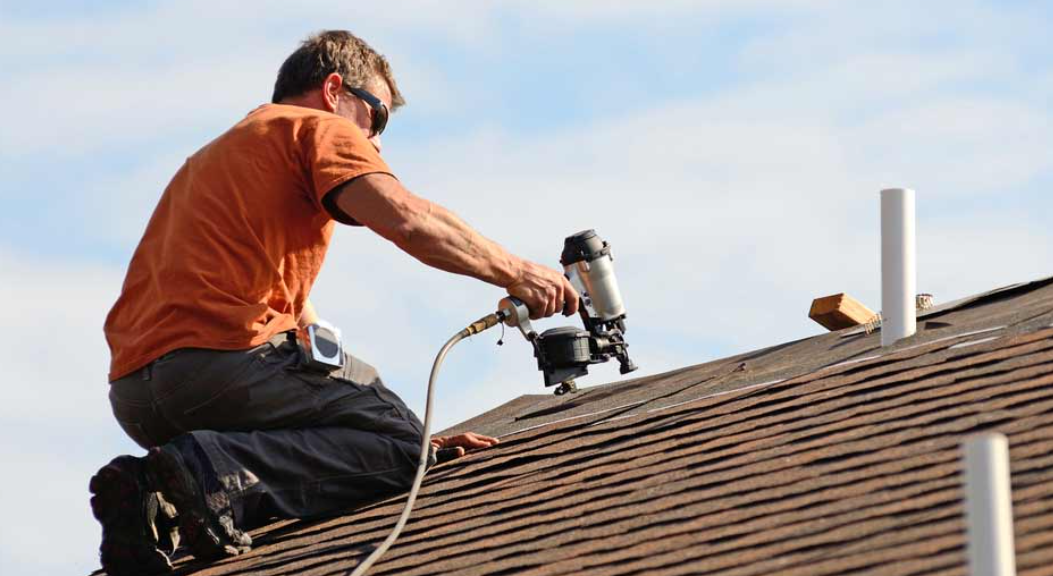
A roof replacement is an active construction site. Crews walk across the roof, move materials, install flashing, carry tools, and fasten the roof covering.
Underlayment can be damaged during this process, especially around fasteners, roof penetrations, edges, and high-traffic areas.
If the underlayment tears, wrinkles, or pulls away from the deck, it may no longer provide the protection intended by the manufacturer. Damaged sections may need to be repaired or replaced before the roof covering is installed.
Synthetic products are generally engineered to resist tearing better than traditional felt. That can be especially useful on:
Steeper roofs
Roofs with multiple penetrations
Roofs with complicated valleys or transitions
Projects where crews need to walk over the underlayment
Installations interrupted by rain or other delays
This does not eliminate the need for careful installation. Synthetic underlayment can still be torn by improper fastening, sharp edges, excessive tension, or careless handling.
How Does Texas Heat Affect Underlayment?
Austin roofs experience substantial heat exposure during the summer. The temperature at the roof deck can be considerably higher than the outdoor air temperature, particularly under direct sunlight.
That makes exposure time important.
Traditional felt can absorb moisture, wrinkle, and become more vulnerable to damage when exposed to weather or repeated foot traffic. Synthetic underlayments are often designed to remain stable under harsher construction conditions, but every product has limits.
Homeowners should ask:
What is the product’s maximum permitted exposure time?
Is it rated for the expected weather conditions?
What temperature or storage restrictions apply?
What happens if rain delays the shingle installation?
Will damaged areas be repaired before the roof covering is installed?
A contractor should follow the product’s published installation instructions rather than assuming that any synthetic material can remain exposed indefinitely.
Is Synthetic Underlayment Heatproof?
No roofing underlayment should be described as completely heatproof.
Synthetic products may offer better dimensional stability and weather resistance than traditional felt, but their performance depends on the specific formulation and product rating.
Some products have published exposure limits, temperature limitations, or installation requirements. Others may require particular fasteners, spacing, overlaps, or roof-covering systems.
The right way to compare products is to review the manufacturer’s technical documentation—not rely on a general statement that one material “handles heat.”
What Does Building Code Require?
Building codes recognize several types of roofing underlayment, including asphalt felt, synthetic underlayment, and self-adhered polymer-modified bitumen materials, depending on the adopted code, roof covering, roof slope, wind conditions, and installation method.
Texas requirements can also vary by jurisdiction and by whether a property falls under a specific windstorm inspection or insurance program.
The Texas Department of Insurance explains that underlayment requirements depend on factors such as wind speed, roof covering, and the applicable building code. Effective April 1, 2026, TDI adopted the 2024 International Building Code and International Residential Code as minimum construction standards for certain Texas Windstorm Insurance Association policies. The updated requirements recognize synthetic underlayment conforming to ASTM D8257 under specified conditions.
That does not mean every synthetic product is automatically acceptable everywhere. The product must meet the applicable standard and be installed according to the required method.
Does Code-Minimum Felt Mean a Bad Roof?
Not necessarily.
A properly specified and correctly installed felt underlayment can be code-compliant and may perform appropriately for a particular roofing system.
The concern is when a contractor treats the minimum code requirement as the only consideration, without discussing:
Product quality
Tear resistance
Exposure time
Roof complexity
Wind conditions
Manufacturer requirements
Installation details
The homeowner’s long-term expectations
Code is a baseline. It does not always represent the highest-performing material or the most comprehensive roofing specification.
For a home in Central Texas, a contractor should explain why a particular underlayment is being used and how it fits the complete roofing system.
Synthetic Underlayment Is Not a Substitute for Ice and Water Protection
Synthetic underlayment and self-adhered ice-and-water protection are not the same product.
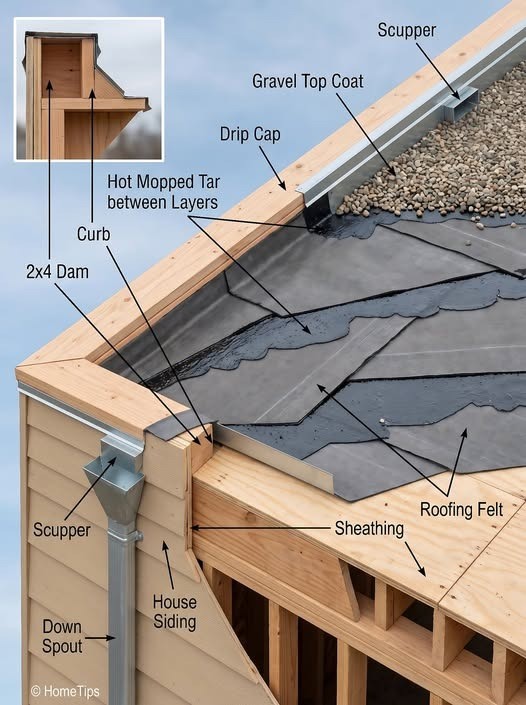
Synthetic underlayment is generally installed across the roof deck. Ice-and-water protection is a self-adhering membrane used in specific vulnerable areas, such as eaves, valleys, penetrations, or other locations required by code, the manufacturer, or the roofing design.
Ice-and-water protection can help seal around fasteners and reduce the risk of water entering at vulnerable transitions. It should not be assumed that a standard synthetic underlayment provides the same function.
A detailed roofing estimate should identify:
The main underlayment product
Any self-adhered membrane
Where the self-adhered membrane will be installed
Required overlaps and flashing details
The fastening method
Any manufacturer-specific requirements
What Homeowners Should Ask Before Signing a Roofing Contract
Before approving a roof replacement, ask the contractor:
What brand and product of underlayment will be installed?
Is it asphalt felt, synthetic, or self-adhered membrane?
What ASTM or other performance standard does it meet?
What is its permitted exposure time?
How will it be fastened?
Will cap fasteners be used where required?
Where will ice-and-water protection be installed?
What happens if the roof is exposed to rain during construction?
How will torn or wrinkled underlayment be handled?
Is the specified product compatible with the selected roof covering?
If the proposal only says “underlayment included,” ask for more detail.
The Bottom Line
Synthetic underlayment is often a practical upgrade for Austin-area roofing projects because it generally offers improved tear resistance, easier handling, and better resistance to moisture-related wrinkling than traditional felt.
Still, the material alone does not determine how long a roof will last. Proper roof-deck preparation, flashing, ventilation, fastening, shingle installation, drainage, and workmanship all matter.
The best roofing proposal identifies the actual underlayment product, explains where it will be used, and shows how it fits the manufacturer’s instructions and applicable building requirements.
At JP Exteriors, we help homeowners understand the components of a roofing system—not just the visible shingles—so they can compare options and make an informed decision for their home.
Get Started With a Free Roofing Consultation
Remember: When you refer a friend or neighbor for windows, siding, roofing, or door replacement, you can earn up to $250 through the JP Exteriors Referral Program.
Subscribe to JP Exteriors's Blog



Comments