A new roof, siding system, window, or exterior remodeling project usually comes with more than one warranty. There's typically a manufacturer's warranty covering the product itself, and a separate workmanship warranty covering the contractor's installation. These two warranties serve genuinely different purposes, and understanding the difference can save homeowners a lot of time and frustration if something goes wrong down the road. The most important question is often the simplest one: who is actually responsible for this specific problem?
Manufacturer Warranty vs. Workmanship Warranty
A manufacturer warranty generally covers defects in the product itself. Depending on the material and the specific warranty terms, that might include manufacturing defects, certain premature failures, defective components, specific finish problems, glass seal failures, or other material-related performance issues. A workmanship warranty, by contrast, generally covers problems caused by the installation process — improper fastening, incorrect flashing, poorly sealed joints, improper installation clearances, incorrect application of materials, or installation that doesn't follow the manufacturer's written instructions.
The exact coverage always depends on the specific written warranty in front of you. Some manufacturer warranties cover materials only, while enhanced or system warranties may provide broader coverage once specific installation requirements have been met. The Federal Trade Commission recommends reviewing warranty terms carefully before purchasing any product, checking exactly what's covered, how claims are handled, and whether labor or shipping costs are actually included in that coverage.

Why the Installer Still Matters So Much
Homeowners sometimes assume a manufacturer's warranty means the manufacturer will handle every problem that comes up. That's often not the case. James Hardie, for example, is explicit that it does not warrant the installation of its products — installation contractors are independent businesses, and they may (or may not) offer their own separate workmanship warranty. James Hardie recommends discussing installation warranty terms directly with the contractor before hiring them, precisely because the manufacturer's coverage and the contractor's coverage aren't the same thing.
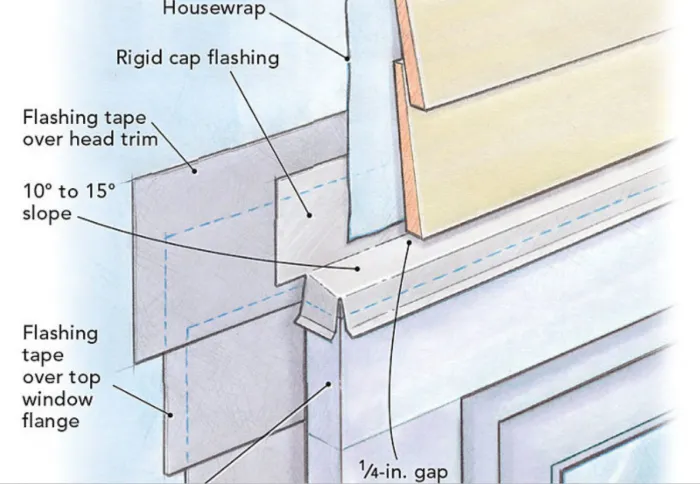
This distinction matters because a product can be perfectly manufactured and still perform poorly if it's installed incorrectly. Proper siding installed over damaged sheathing can still allow water problems. Good shingles installed over inadequate flashing can still leak. A quality window installed without proper flashing or sealing can still let water in. A well-made door can perform poorly if it isn't installed and adjusted correctly. In each of these situations, the manufacturer may evaluate the product and determine it meets its own specifications — which means the installer, not the manufacturer, ends up responsible for correcting the actual problem.
Common Warranty Scenarios
Scenario 1: The product is defective. A homeowner notices a material defect — a problem with a siding board, a window component, or a roofing product. The manufacturer will typically require proof of purchase, the installation date, product identification information, photos of the issue, the property address, the contractor or retailer's information, and a description of the problem before reviewing the claim. James Hardie's own siding claim process, for example, requests proof of purchase, photographs, property ownership documentation, product information, and installation details before it will evaluate a claim.
Scenario 2: The installation is the problem. A homeowner experiences a leak, loose siding, failed caulking, or another issue that appears connected to how the project was installed. The first call here should generally go to the contractor who performed the work. The contractor inspects the condition, determines whether the issue is actually related to workmanship, and explains the proposed correction — and if it falls within the written workmanship warranty, the contractor's responsibility depends entirely on that warranty's specific terms, exclusions, and duration.
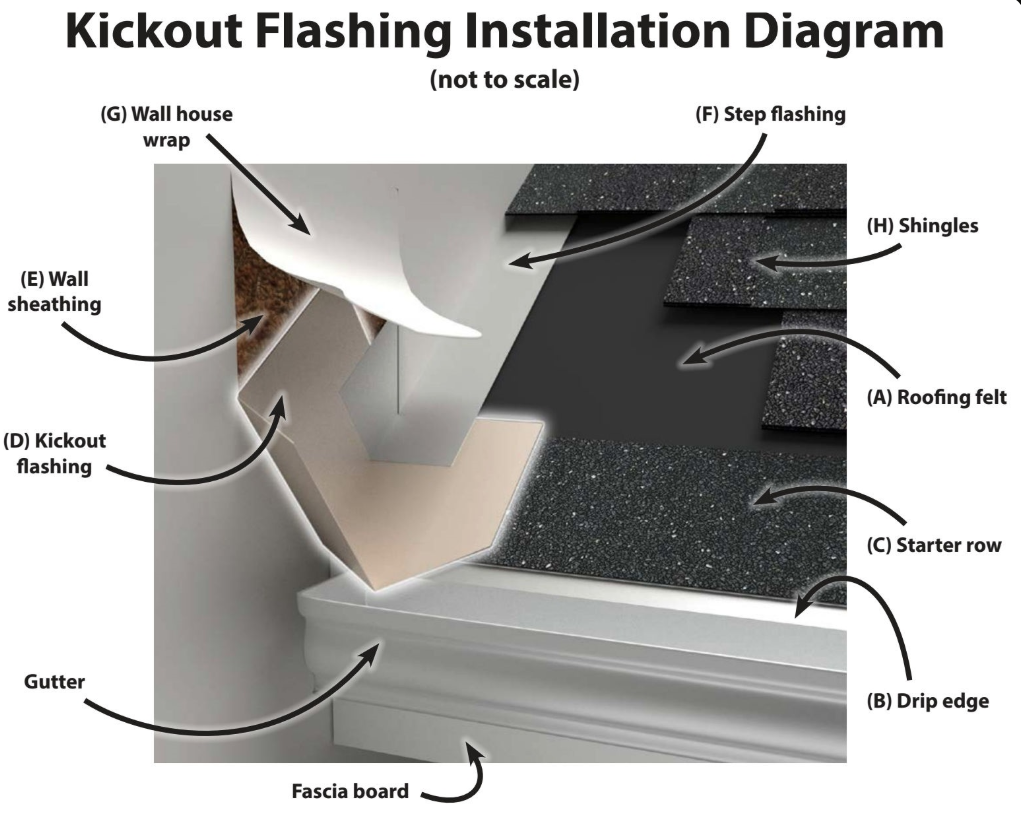
Scenario 3: The cause is unclear. Some problems genuinely involve both the product and the installation together. A window might have a failed seal, but water entering around the window could actually be caused by flashing or installation details instead. A roof leak might involve the roofing material itself, or it might originate at a pipe boot, valley, wall intersection, or other flashing location entirely. In these cases, the contractor often needs to inspect the installation before the manufacturer can even determine whether a genuine product defect exists — which is exactly why a responsive installer is so valuable. They can help document the issue and identify the correct party to actually contact.
The Typical Warranty Claim Process
Step 1: Document the problem. Take clear photographs and write down when the issue was first noticed, where it's located, whether it changes after rain or temperature swings, whether it's spreading, any related interior damage, and any temporary steps you've taken to prevent further damage. For roof leaks specifically, document the actual location of water entry without assuming the interior stain sits directly below the exterior source — water can travel a surprising distance before it shows up inside.
Step 2: Review your documents. Locate the original contract, the product warranty, the workmanship warranty, the final invoice, product names and model information, completion or inspection documents, and any previous repair records. The contract should identify the installer, product supplier, warranty duration, and claim procedure.
Step 3: Contact the installer. Reach out to the original contractor in writing when possible, explain the issue, include photos, and request an inspection. A written record helps establish when the problem was reported, what information was provided, what response you received, and what inspection or repair was actually discussed. The contractor may be able to resolve the problem directly, or help determine whether a manufacturer claim is the right next step.
Step 4: Determine which warranty applies. The issue may fall under contractor workmanship coverage, manufacturer product coverage, a finish warranty, a component warranty, a broader system warranty, or unfortunately, no coverage at all because of an exclusion. A warranty is a contract with specific terms, and coverage can be limited by installation requirements, maintenance obligations, alterations, misuse, storm damage, normal wear, or other exclusions written into the document.
Step 5: Submit supporting documentation. If a manufacturer claim is necessary, provide exactly what that manufacturer requests. James Hardie's current claim checklist, for example, includes proof of purchase, at least three photos showing the concern, elevation photos of the home, and proof of property ownership. Incomplete documentation can delay the review significantly, so it's worth following the manufacturer's instructions carefully rather than submitting a partial claim.
Step 6: Allow the inspection and review. The manufacturer or contractor may request additional photographs, samples, measurements, or an on-site inspection. Don't remove or discard defective materials before the responsible party has had a chance to document the issue, unless immediate action is genuinely needed to prevent further damage.
Step 7: Review the proposed resolution. Possible outcomes include repair of the affected area, replacement of defective materials, reinstallation, reimbursement for covered costs, a prorated material allowance, a denial based on warranty exclusions, or a request for additional documentation. The actual remedy depends entirely on the specific warranty in question — a "lifetime" warranty doesn't necessarily mean every repair, labor cost, or replacement expense is covered indefinitely.
What Warranties Commonly Don't Cover
Warranty exclusions vary by product and manufacturer, but homeowners should look carefully for language involving storm or hail damage, normal wear and tear, improper maintenance, unauthorized alterations, damage caused by another contractor, structural movement, existing moisture problems, improper ventilation, failure to follow maintenance instructions, or installation by an unapproved or unqualified party. Cosmetic changes that aren't considered defects are also commonly excluded. A warranty may also not cover consequential damage, interior repairs, labor, transportation, or disposal unless the written terms specifically include those items. Never assume a product warranty and a workmanship warranty cover the same expenses — they rarely do.
Why a Local Installer Can Make the Whole Process Easier
A manufacturer provides the product warranty, but the installer is usually the party most familiar with your actual project. The original contractor may have the installation records, product invoices, photos taken before the walls or roof were closed up, information about concealed conditions that were discovered along the way, details about the flashing and preparation used, the crew's installation notes, and access to the original project manager who oversaw the job. A local contractor is also generally easier to reach for an inspection or follow-up repair than a manufacturer's corporate claims department. None of that guarantees a claim will be approved or that every issue is covered — it simply means the installer is often the most important part of identifying the cause and coordinating whatever comes next.

Questions to Ask Before Hiring an Exterior Contractor
Before signing a contract, it's worth asking what manufacturer warranties apply to the materials being used, what workmanship warranty the company itself provides, how long that workmanship warranty actually lasts, whether it covers both labor and materials, who you should contact first if something fails, whether the company will help submit a manufacturer claim on your behalf, whether warranty claims are handled by a dedicated department, what exclusions you should understand going in, whether the warranty is transferable if you sell the home, and what documentation you'll actually receive at project completion. Request the answers in writing — verbal promises can be difficult to verify later, and the FTC specifically advises consumers to retain written warranty documents and purchase records for exactly this reason.
How JP Exteriors Approaches Warranty Questions
At JP Exteriors, we believe homeowners should understand the difference between a product warranty and a workmanship warranty before work ever begins. During the consultation and contracting process, homeowners should receive clear information about the proposed materials, the installation scope, and the applicable warranty terms for both. If a concern comes up after completion, the first step is contacting us so the issue can be properly documented and evaluated — identifying the problem, determining the likely cause, reviewing the applicable warranty, coordinating with the manufacturer when necessary, explaining the proposed solution, and documenting the completed repair.
Frequently Asked Questions
What's the difference between a manufacturer warranty and a workmanship warranty?
A manufacturer warranty covers defects in the product itself, while a workmanship warranty covers problems caused by the installation process. They're issued by different parties and typically have different terms, exclusions, and durations.
If my roof leaks, who do I contact first — the manufacturer or the contractor?
Generally the contractor first. They can inspect the installation, determine whether the issue is workmanship-related or product-related, and help identify the right next step, including whether a manufacturer claim is appropriate.
Does a manufacturer warranty cover installation mistakes?
Usually not. Most manufacturer warranties specifically exclude damage caused by improper installation, which is exactly why a separate workmanship warranty from your contractor matters so much.
What happens if my contractor goes out of business before my warranty issue comes up?
This is a real risk with workmanship warranties, since they're only as good as the company standing behind them. It's worth asking during the hiring process how established the company is and what happens to warranty service if they ever stop operating in your area.
Does "lifetime warranty" mean everything is covered forever?
Not necessarily. "Lifetime" can have different definitions depending on the manufacturer, and coverage may exclude labor, may be prorated over time, or may only apply to specific components rather than the entire product.
What documentation do I need to file a warranty claim?
Typically proof of purchase, the installation date, photos of the issue, the property address, contractor or retailer information, and a written description of the problem. Requirements vary by manufacturer, so always check their specific claim checklist.
Can I remove damaged materials before filing a warranty claim?
Generally, no — not unless immediate action is needed to prevent further damage. Removing materials before the responsible party has documented the issue can complicate or delay your claim.
Is a workmanship warranty the same length as the manufacturer's warranty?
Not usually. Workmanship warranties are set independently by the contractor and often run for a much shorter period than a manufacturer's product warranty, which can sometimes run for decades.
What if it's unclear whether my problem is a product defect or an installation issue?
This is common, especially with leaks. In these cases, the contractor typically needs to inspect the installation first, since the manufacturer often can't determine whether a product defect exists until installation-related causes have been ruled out.
Should I get warranty terms in writing before signing a contract?
Yes, always. Verbal promises about warranty coverage are difficult to enforce or even verify later — get the specific terms, exclusions, and claim process in writing before work begins.
The Bottom Line
A manufacturer's warranty and a workmanship warranty are not interchangeable. The manufacturer generally stands behind the product under the written terms of its own warranty. The contractor's workmanship warranty generally addresses problems caused by installation. When the cause isn't immediately clear, the installer is often the best starting point, since that company understands exactly how the project was actually completed.
Before hiring an exterior remodeling contractor, don't just ask "how long is the warranty?" Ask: if something goes wrong, who do I call, what will you actually do, and what exactly is covered? That answer can matter just as much as the warranty length printed on the product brochure.
Get Started With a Free Consultation
Remember: When you refer a friend or neighbor for windows, siding, roofing, or door replacement, you can earn up to $250 through the JP Exteriors Referral Program.
Subscribe to JP Exteriors's Blog




Comments