If you're planning to sell your home in the next few years, or simply want to make a smart long-term investment, exterior improvements deserve a close look. New siding, replacement windows, a new roof, and a covered patio can all improve a property—but they don't affect resale value in the same way.
Some projects make an immediate visual impression. Others reassure buyers that major maintenance has already been handled. And some are primarily lifestyle upgrades that make a home more enjoyable to live in, even if their resale value doesn't match the original cost.
For homeowners in Austin and Central Texas, the best project depends on the home's current condition, the neighborhood, the budget, and how soon you plan to sell.
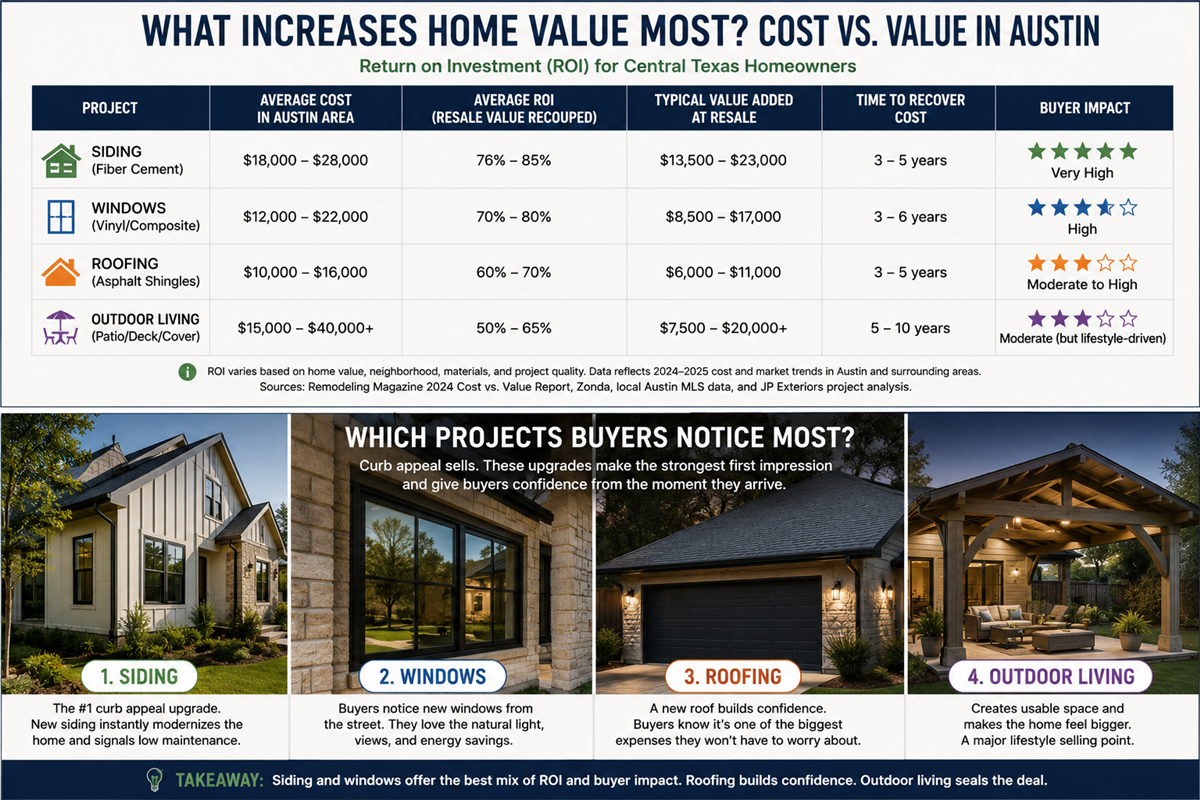
What Does the Cost vs. Value Data Say About Austin?
The annual Cost vs. Value report from Zonda, published by the Journal of Light Construction, compares the estimated cost of remodeling projects with the value those projects retain at resale. Its 2025 report includes market-specific estimates for Austin.
The figures below are from the Austin market data, not national averages. They represent standardized projects, so they should be used as a comparison tool rather than a quote or guarantee for a particular home.
Project | Estimated cost recouped at resale in Austin |
|---|---|
Fiber-cement siding replacement | 113.7% |
Asphalt-shingle roof replacement | 76.4% |
Vinyl window replacement | 69.6% |
Outdoor living improvements | Varies by project type and scope |
Source: 2025 Cost vs. Value Report — Austin, Texas. Percentages reflect the report's standardized project estimates.
One result stands out: fiber-cement siding replacement was estimated to recoup more than its project cost at resale in the Austin report. That doesn't mean every siding project will increase a home's sale price by more than the amount spent. It means the report's estimated resale value for its modeled project exceeded its estimated cost.
The other important point is that resale value isn't the only reason to make an improvement. A failing roof, drafty windows, or deteriorating siding may need attention regardless of when you sell.
1. Siding: A Strong Combination of Curb Appeal and Resale Potential
Siding can dramatically change how a house looks from the street. Faded paint, warped boards, visible rot, or mismatched repairs can make an otherwise well-maintained home look older than it is.
New siding can give the exterior a cleaner, more consistent appearance while addressing underlying problems that paint alone won't solve.
Why buyers notice siding
Curb appeal: A fresh, cohesive exterior can make a strong first impression in listing photos and during showings.
Visible maintenance: Buyers may feel more confident when the siding looks properly installed and well maintained.
Reduced near-term work: Replacing failing siding before listing can reduce the likelihood that buyers will anticipate an immediate exterior project.
Design consistency: Updated colors, trim, and siding profiles can make an older home feel more current without changing its footprint.
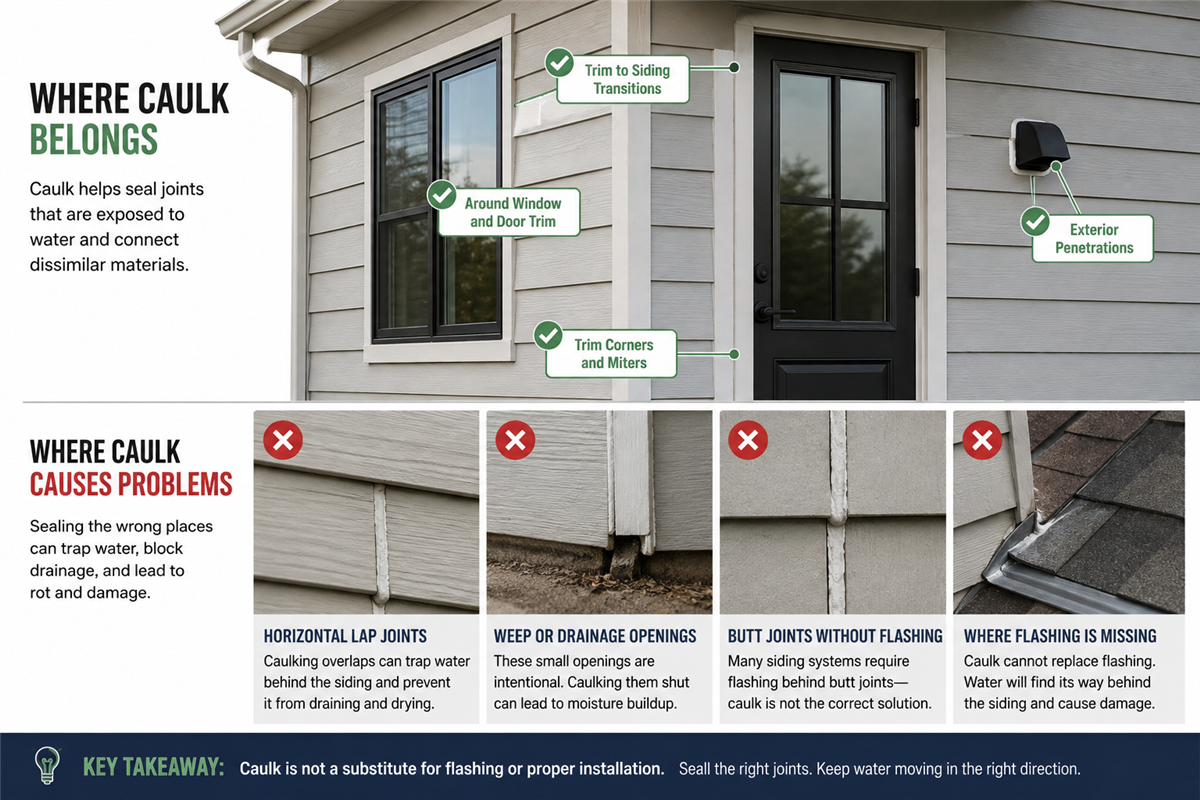
For Central Texas homes, fiber-cement siding is one option worth considering. Products such as James Hardie are designed for exterior use and can provide a durable alternative to deteriorating wood siding. The installation details still matter: flashing, clearances, drainage, and proper treatment of joints all contribute to long-term performance.
When siding is worth prioritizing
Siding may be a good first project if the existing material is damaged, rotting, poorly maintained, or visibly dated. If the siding is in good condition and only the color feels outdated, exterior painting may be a more economical way to improve appearance.
The key is to identify whether the problem is cosmetic or whether the siding system itself needs replacement.
2. Windows: Buyers Notice Appearance, Comfort, and Function
Windows can influence both the look and everyday feel of a home. Old aluminum frames, failed seals, difficult operation, or inconsistent window styles may stand out during a showing.
Replacement windows can improve appearance and operation, and properly selected products may help reduce unwanted heat gain. However, the actual energy savings depend on the existing windows, glass specifications, installation quality, air leakage, shading, and other characteristics of the home.
What makes window replacement attractive to buyers?
A cleaner, updated appearance: Consistent frames and well-maintained glass can make a home look better cared for.
Smooth operation: Windows that open, close, and lock properly are easier to live with.
Comfort: Better-performing windows may reduce drafts and help manage solar heat gain.
Maintenance concerns: Buyers may be less worried about near-term repairs when the windows are in good working order.
In Austin's hot climate, glass selection matters. Low-E coatings can help control solar heat gain while allowing natural light into the home. Frame material, window orientation, shading, and the overall glass package all affect performance.
Should you replace every window before selling?
Not necessarily. If most windows work properly and are in good condition, replacing the entire house may not be the best use of your budget. Prioritize windows with failed seals, damaged frames, poor operation, or obvious appearance issues.
If you are planning to stay in the home for years, comfort and long-term performance may be just as important as resale value. If you're preparing to list soon, compare the cost of a full replacement with the likely benefit of repairing or replacing only the most problematic units.
3. Roofing: Often More About Buyer Confidence Than Curb Appeal Alone
A roof may not be the first feature buyers mention when they fall in love with a house, but it can become a major concern if its condition is uncertain.
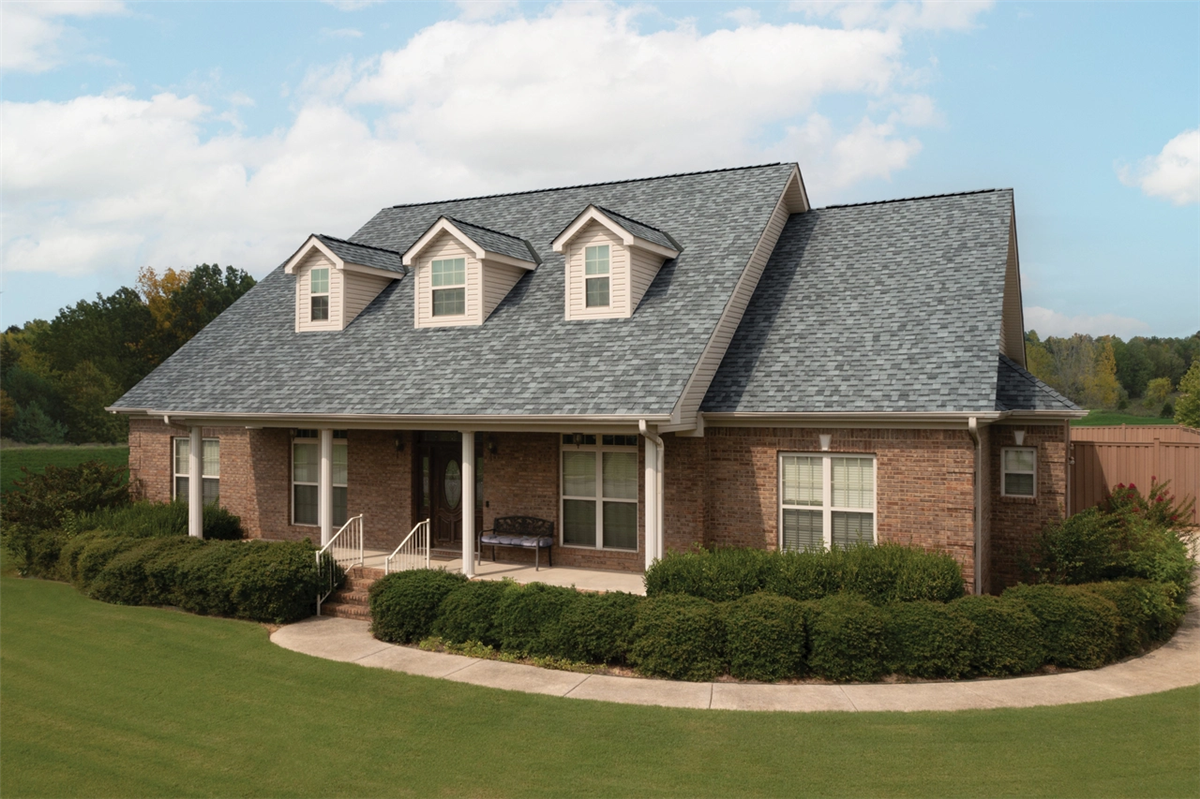
Missing shingles, visible deterioration, signs of leaks, or an aging roof can lead buyers to ask questions about future costs. A roof replacement may not always produce the highest percentage return, but it can address a major maintenance issue and make the home's condition easier to understand.
Why roof condition matters during a sale
Fewer visible warning signs: A well-maintained roof avoids obvious signs of neglect.
Clearer maintenance history: Documentation of replacement and repairs can help buyers understand what work has been completed.
Reduced uncertainty: Buyers may be less concerned about an immediate roof project when the existing roof is in good condition.
Protection of the home: A functioning roofing system helps protect the structure and interior from water intrusion.
Should you replace a roof just to increase value?
If the roof is still performing well, replacement solely for resale may not be necessary. Have its condition assessed and consider its age, remaining service life, visible damage, and any history of leaks.
If replacement is needed, material selection should reflect the home's design, local requirements, and budget. Asphalt shingles are common in Central Texas, while metal roofing may appeal to some homeowners but typically involves a higher initial cost.
A new roof should be viewed as both a property-maintenance investment and a potential selling point—not as a guaranteed way to increase the sale price by the full amount spent.
4. Outdoor Living: A Lifestyle Upgrade Buyers Can Picture Using
Austin's climate makes patios, decks, pergolas, and covered outdoor spaces appealing to many homeowners. A well-designed outdoor area can create a natural extension of the living space, especially when it connects comfortably to the kitchen or main living room.
But outdoor living is different from a necessary replacement project. Its resale impact depends heavily on the design, quality, usable space, and what buyers in that particular neighborhood expect.
What helps an outdoor living project stand out?
Useful shade: A covered patio or pergola can make outdoor space more comfortable during sunny weather.
A clear purpose: Space for dining, relaxing, or entertaining is easier for buyers to imagine using.
A natural connection to the home: Access from a main living area can make the space feel more integrated.
Appropriate scale: A design that fits the yard and home usually feels more useful than one that overwhelms the property.
Sound construction: Proper footings, drainage, and structural connections matter just as much as the finished appearance.
A deck, patio cover, or pergola can improve your enjoyment of the home even if the estimated resale return is lower than the project cost. If you're planning to stay for several years, that day-to-day value may be a meaningful part of the decision.
If you're preparing to sell soon, avoid assuming that a large, expensive outdoor project will return its full cost. A simple, attractive, functional space may make more sense than a highly customized design.
Which Project Do Buyers Notice First?
There isn't one universal ranking. Buyers respond to the home's overall condition, the neighborhood, the asking price, and their own priorities. Still, each project tends to communicate something different.
Project | What it can communicate to buyers |
|---|---|
Siding | The home looks updated and well maintained |
Windows | The home may be more comfortable and the windows function properly |
Roofing | A major maintenance concern may already be addressed |
Outdoor living | The home offers additional usable space for relaxing or entertaining |
Curb appeal can influence whether buyers want to see a property in person, but visible upgrades won't necessarily compensate for deferred maintenance elsewhere. A beautiful patio won't resolve concerns about a leaking roof, and new windows may not deliver the expected benefit if other sources of air leakage remain unaddressed.
The strongest strategy is usually to prioritize the improvements that make the home look cared for, function properly, and fit the expectations of comparable properties nearby.
How to Choose the Best Project for Your Budget
Before committing to a major exterior project, consider these four questions.
1. Is something failing?
Start with issues that could lead to further damage or affect everyday use. Active roof leaks, rotting siding, water intrusion, or windows that cannot close and lock properly may deserve attention before optional upgrades.
2. What will buyers see?
Walk up to your home as if you were seeing it for the first time. Look at the roofline, front entry, siding, trim, windows, paint, and landscaping. Ask someone unfamiliar with the property what stands out.
3. How long will you stay?
If you're selling soon, focus on condition, broad buyer appeal, and projects that make sense relative to comparable homes. If you're staying longer, include comfort, maintenance, energy performance, and your own enjoyment in the calculation.
4. What does the local market support?
A real estate professional familiar with your neighborhood can help identify what buyers expect and which improvements may be worthwhile before listing. Compare similar homes rather than relying on a general online return-on-investment percentage alone.
Why the Lowest-Cost Project Isn't Always the Best Value
A project with a high estimated percentage return isn't automatically the best choice for every home. A percentage is only one part of the equation.
Consider two different situations:
A home with visibly deteriorated siding may benefit from replacement because the improvement changes its appearance and addresses a real maintenance concern.
A home with attractive, functional siding may gain less from replacing it simply because a report lists siding as a high-return project.
The same logic applies to windows and roofing. When a component is failing, replacement may be necessary. When it's functioning well, the money may be better spent elsewhere—or saved.
It is also important to distinguish between cost recouped at resale and profit. A project estimated to recoup 100% of its cost does not account for financing costs, disruption, maintenance, market changes, or the time you spend enjoying the improvement.
Frequently Asked Questions
What exterior improvement adds the most home value in Austin?
In the 2025 Cost vs. Value report, fiber-cement siding replacement had the highest estimated cost recoupment of the four project categories discussed here, at 113.7% in Austin. That is a modeled estimate, not a guarantee of what an individual homeowner will recover.
Do new windows increase resale value?
New windows can improve appearance, operation, and comfort. The Austin report estimated 69.6% cost recoupment for its standardized vinyl window replacement project. Actual results depend on the home's condition, the product selected, and the local market.
Is replacing a roof worth it before selling?
It may be worthwhile when the roof is near the end of its service life, damaged, leaking, or likely to concern buyers. If the roof is in good condition, a full replacement just before selling may not be necessary. A professional assessment can help clarify the options.
Does a patio or deck add value to a home?
Outdoor living space can improve a home's appeal and usefulness, particularly when it is well designed and fits the property. However, the resale return varies by project type and local buyer demand. Treat it as both a lifestyle improvement and a possible resale benefit, not a guaranteed financial return.
Should I remodel before selling or let the next owner choose?
Prioritize necessary repairs and improvements that address visible neglect or common buyer concerns. For more expensive discretionary upgrades, compare the estimated cost with neighborhood expectations and get advice from a local real estate professional before committing.
The Bottom Line
For Austin homeowners comparing siding, windows, roofing, and outdoor living, the best project is the one that addresses the home's actual needs and makes sense for the local market.
The 2025 Cost vs. Value report puts fiber-cement siding at the top of these four categories for estimated Austin resale cost recoupment. Windows and roofing can still be worthwhile when they address aging components, comfort issues, or maintenance concerns. Outdoor living can offer a different kind of value by making the home more enjoyable and appealing to buyers who prioritize usable exterior space.
Rather than choosing a project based on a national ranking or a single ROI percentage, start with the condition of your home, compare local alternatives, and invest where the improvement has a clear purpose.
Get Started With a Free Consultation
JP Exteriors helps homeowners throughout Austin and Central Texas plan exterior improvements, including siding, windows, doors, roofing, and outdoor living. If you're deciding which project to tackle first, we can help you understand the available options and prepare for your next step.
Remember: When you refer a friend or neighbor for windows, siding, roofing, or door replacement, you can earn up to $250 through the JP Exteriors Referral Program.
Subscribe to JP Exteriors's Blog

Comments