For years, aluminum windows had a reputation for being hot, inefficient, and prone to condensation — and honestly, that reputation was earned.
Older aluminum systems weren't built for today's energy efficiency standards. But today's aluminum windows are a completely different product. Thanks to thermally broken frames, advanced Low-E glass packages, and modern manufacturing, aluminum has made a real comeback, especially among homeowners who want slim frames, larger glass areas, and a contemporary look.
If you ruled out aluminum based on windows installed 20 or 30 years ago, it's worth taking another look.
Why Older Aluminum Windows Performed So Poorly
The core problem with older aluminum windows was simple physics: aluminum is an excellent conductor of heat — the same property that makes it useful in cookware, heat sinks, and automotive cooling systems. Older frames were manufactured as one continuous piece of metal running from the outside of the home straight through to the inside, creating a direct path for heat to travel. During an Austin summer, the exterior frame would get scorching hot, and that heat transferred straight into the house. In winter, the same path let interior heat escape.
One of the telltale signs was condensation — water running down the inside of the frame, moisture pooling on the sill, peeling paint, water stains, even mold or mildew around the opening. Many of these older windows also had single-pane glass, no Low-E coating, and no insulating gas between panes, which only made things worse. That combination gave aluminum a reputation that lasted decades and pushed many homeowners toward vinyl instead.
The Fix: Thermally Broken Frames
Modern aluminum windows solve the old heat-transfer problem with one major innovation: the thermally broken frame. You'll hear this term a lot when comparing premium aluminum windows, and for good reason.
Instead of one solid piece of aluminum, a thermally broken window uses two separate profiles — an exterior frame and an interior frame — separated by a strip of highly insulating material, usually polyurethane or polyamide. That strip interrupts the direct path heat used to travel, so on a hot Texas afternoon the exterior frame might climb well past 100 degrees while the interior frame stays much closer to your home's indoor temperature. You still get aluminum's strength and durability, just without the energy loss that plagued older systems.
NT Window's ThermaProtect® technology is one example — a thermally broken frame built specifically to improve energy efficiency without sacrificing the strength aluminum is known for.
Why Aluminum Makes Sense for Texas Homes
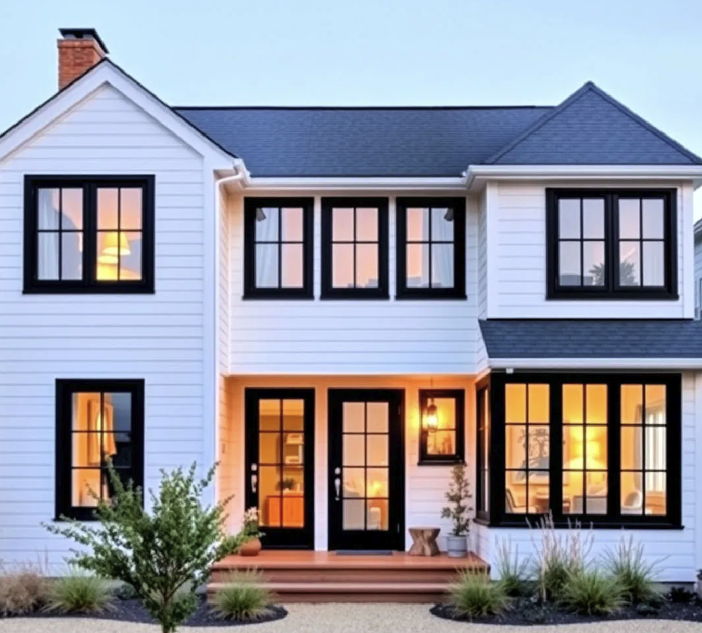
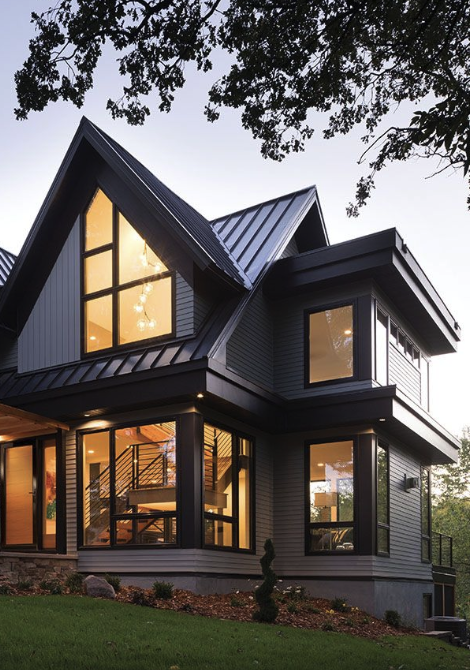
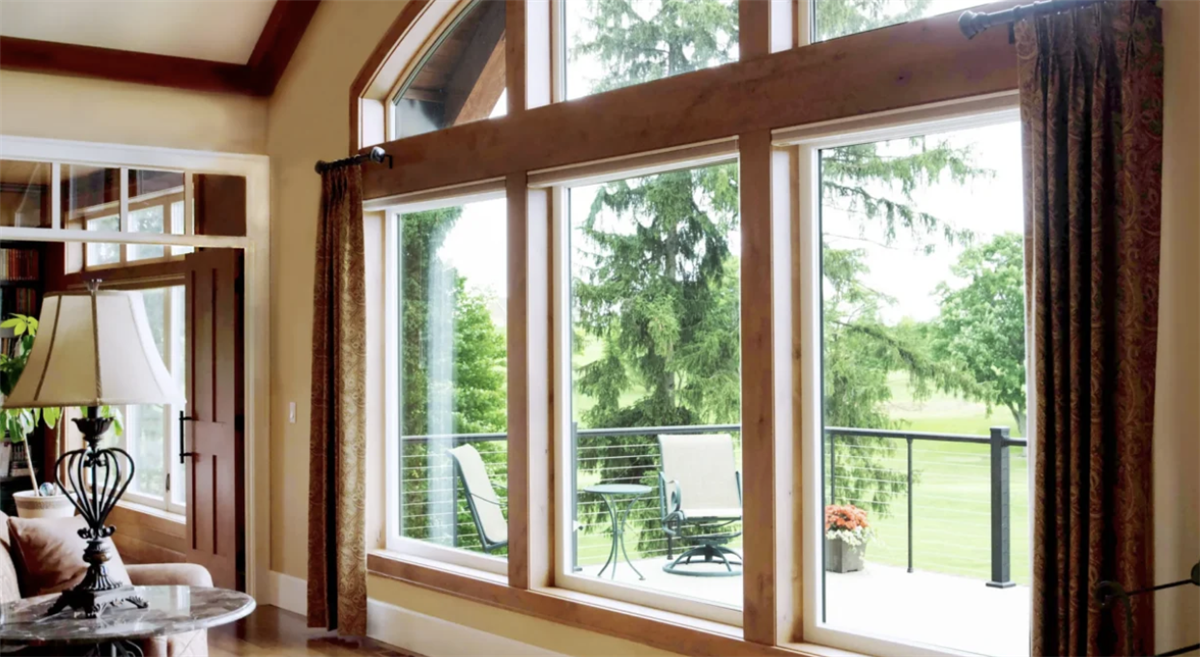
More glass, thinner frames. Aluminum is significantly stronger than vinyl, which lets manufacturers build narrower frames with larger glass areas and cleaner sightlines. A lot of homeowners simply prefer the look of slim black aluminum windows over bulkier vinyl frames.
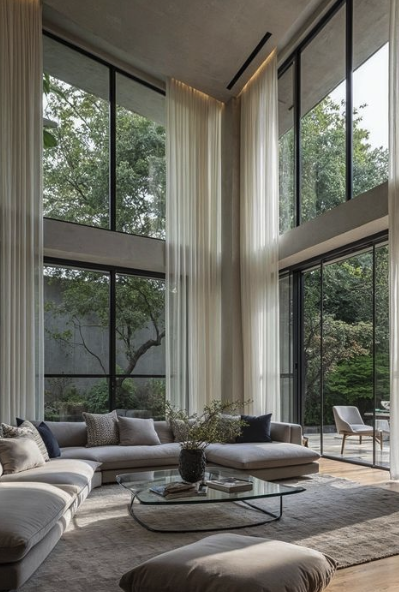
Better for large openings. Big picture windows and expansive glass walls put a lot of stress on a frame. Because aluminum is structurally stronger, it typically needs less reinforcement than vinyl — which makes it a great fit for large fixed windows, floor-to-ceiling glass, and modern architectural styles.
Handles Texas heat without warping. Large vinyl windows can expand and contract through repeated heat cycles. Thermally broken aluminum stays far more stable, even through Austin's hottest stretches, which is part of why it's become a go-to for luxury and modern homes.
Premium glass to match. Frame technology is only half the story. Many premium aluminum windows also pair with advanced insulated glass packages — NT Windows, for instance, offers Twinsulator® Glass with 3/4-inch dual-pane insulated glass, Cardinal Low-E 366 coating, and warm-edge Super Spacer® technology, all working together to cut solar heat gain while improving year-round comfort.
Finishes built to last. Powder-coated aluminum finishes resist UV damage, chalking, fading, and peeling — and unlike wood, aluminum won't rot or warp from prolonged sun exposure.
Black-on-Black Windows: One of Austin's Biggest Trends
If you've been researching replacement windows lately, you've probably noticed black-on-black windows everywhere. It's one of the most requested upgrades among homeowners chasing a clean, modern look — but on many premium product lines, choosing black interiors and exteriors can meaningfully increase the overall project cost. Marvin Essential, Pella Impervia, and Andersen 100 Series are among the most popular black-on-black options, and all three are excellent systems — they just come with premium pricing to match.
For homeowners chasing a similar aesthetic while keeping an eye on the budget, NT Twinsulator thermally broken aluminum windows can often deliver a comparable black-on-black look at a lower cost per opening. On a typical 15-window replacement project, those savings can add up enough to free up room in the budget for upgraded patio doors, entry doors, or other exterior improvements. The best way to see how the numbers compare for your project is with our online pricing calculator or a free in-home consultation.
Is Thermally Broken Aluminum Right for You?
If you're after modern architecture, slim window frames, large glass openings, a black-on-black finish, serious durability, and energy-efficient performance built for Texas heat, today's thermally broken aluminum windows deserve a spot on your shortlist. They're a far cry from the inefficient aluminum windows many homeowners remember from decades ago — thermal break technology, premium glass packages, and advanced coatings have made aluminum one of the strongest and most attractive window materials on the market.
At JP Exteriors, we'll help you compare aluminum, fiberglass, vinyl, and clad-wood windows to find the best fit for your home, budget, and design goals.
Frequently Asked Questions
Are modern aluminum windows energy efficient?
Yes. Thermally broken frames dramatically reduce heat transfer, and paired with Low-E insulated glass, they offer excellent energy efficiency for Central Texas homes.
Do aluminum windows still get condensation?
Not like older models. Thermally broken frames keep the interior portion of the frame much closer to room temperature, greatly reducing condensation.
Are aluminum windows stronger than vinyl?
Yes. Aluminum's greater structural strength allows for slimmer frames and larger glass openings with less reinforcement.
Are black aluminum windows worth it?
For many homeowners, yes. Powder-coated finishes give a sleek, modern look while resisting fading, chalking, and UV damage over time.
What is NT ThermaProtect?
ThermaProtect® is NT Window's thermally broken aluminum frame technology, designed to reduce heat transfer while keeping the strength and durability aluminum is known for.
Get Started with a Free Consultation
Whether you're comparing thermally broken aluminum, fiberglass, or premium vinyl windows, the team at JP Exteriors can help you find the right fit for your home.
- Book your free consultation
- Browse our recent window replacement projects
- Learn about financing
- Remember: When you refer a friend or neighbor for windows, siding, roofing, or door replacement, you can earn up to $250 through the JP Exteriors Referral Program.
Upgrade to modern window technology that's built for Texas — not the aluminum windows of the past.
Subscribe to JP Exteriors's Blog



Comments