Why Energy Star Advice Written for Minnesota Gives You the Wrong Window Here
If you've started shopping for replacement windows in Austin, you've probably run into terms like U-Factor, Solar Heat Gain Coefficient (SHGC), and Energy Star. Unfortunately, most of the advice online treats these ratings as if every home in America has the same climate. It doesn't work that way — a window that's perfect for a home in Minnesota can be a poor choice for a home in Austin, Round Rock, Georgetown, or San Antonio.
Texas homeowners are solving a different problem. Instead of trying to keep heat inside for six months a year, we're usually trying to keep it out. Understanding the difference between U-Factor and SHGC can help you choose windows that actually perform well in Central Texas — not just look good on a spec sheet.
Why Climate Changes the Math
Window performance comes down to controlling two different kinds of heat transfer: heat moving through the window itself, and heat entering from direct sunlight. Northern states spend most of the year trying to stop heat from escaping. Texas spends most of the year trying to stop heat from getting in. That single difference changes which ratings actually matter most for your home.
What Is U-Factor?
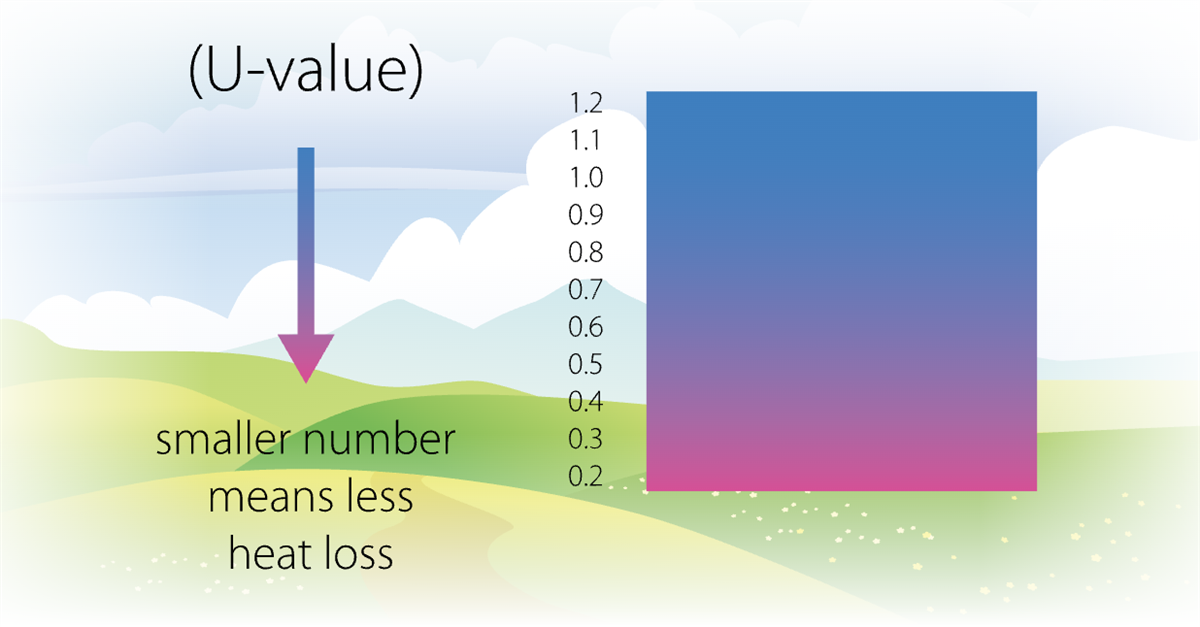
U-Factor measures how well a window prevents heat from moving through the entire assembly — glass, frame, spacer system, and overall construction. The lower the U-Factor, the better the insulation, meaning less heat passes through. This matters most during cold winter nights, in heated indoor spaces, and whenever there's a large temperature gap between indoors and outdoors.
Is U-Factor important in Texas? Yes — but probably not for the reason most websites suggest. Austin does get winter weather, but our heating season is short compared to northern climates. That means chasing an extremely low U-Factor usually isn't the biggest lever for lowering your energy bill here. Another rating tends to matter more.
What Is SHGC?
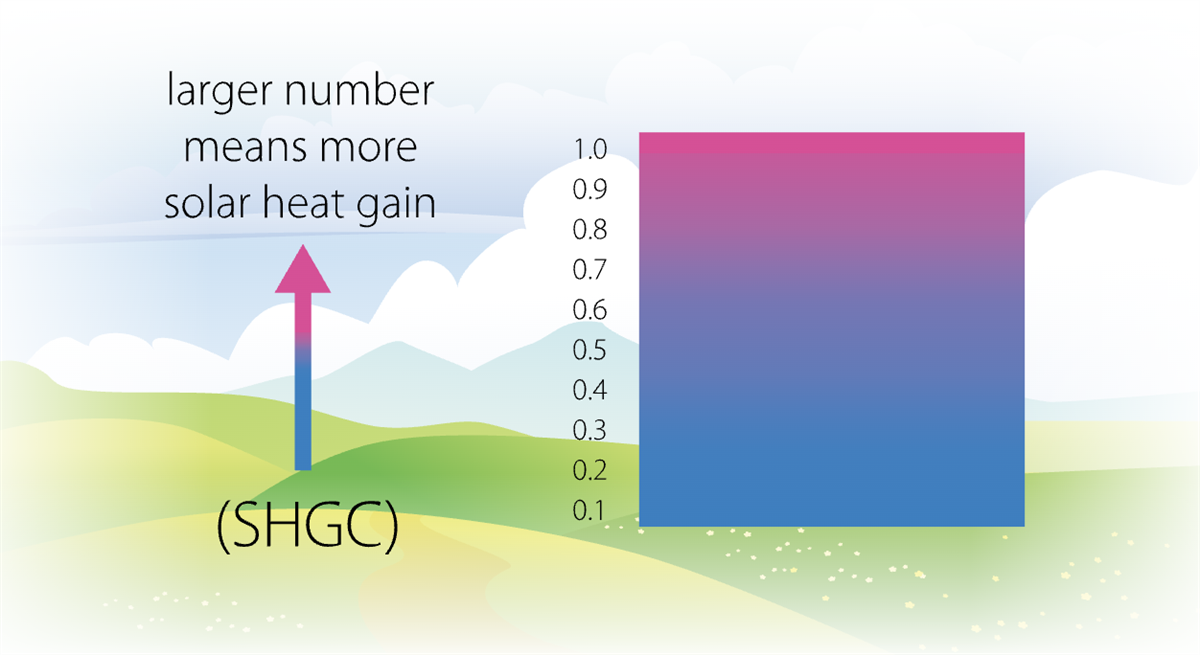
Solar Heat Gain Coefficient (SHGC) measures how much of the sun's heat passes through the window. Unlike U-Factor, this has nothing to do with insulation — it's specifically about solar heat entering your home. The lower the SHGC, the less solar heat makes it through the glass.
Why SHGC Matters So Much Here
In Central Texas, your air conditioner works a lot harder than your furnace ever does. Every afternoon, sunlight pours through your windows, raising indoor temperatures, making rooms uncomfortable, and forcing your AC to run longer — which shows up directly on your utility bill. A lower SHGC blocks much of that unwanted solar heat before it ever reaches your living space. For many Austin homeowners, SHGC has a bigger impact on summer comfort than simply chasing the lowest possible U-Factor.
Low-E Glass Is Doing Most of the Work
Modern windows outperform older ones largely because of Low-E glass. Low-E (low-emissivity) coatings are microscopically thin metallic layers applied to the glass that reflect infrared heat, reduce solar heat gain, and still let natural daylight in — all of which improves indoor comfort. Every replacement window JP Exteriors installs includes energy-efficient Low-E glass designed for Texas conditions, whether you're choosing Pella Impervia, Marvin Essential, Andersen 100 Series, NT Windows, Simonton, or MI Windows. In many cases, the glass package plays a bigger role in real-world performance than the frame material alone.
Why Northern Energy Star Advice Doesn't Always Apply
Energy Star certifies windows differently across climate zones. A recommendation that's ideal for Minnesota, Wisconsin, Michigan, or Maine is usually built around retaining indoor heat through long winters. Texas sits in a very different climate zone, where the priority is limiting solar heat gain, UV exposure, and a long cooling season. That's why homeowners shouldn't just search for "the lowest U-Factor" — the better question is how the entire window performs in Central Texas conditions.
The Best Window Is About Balance
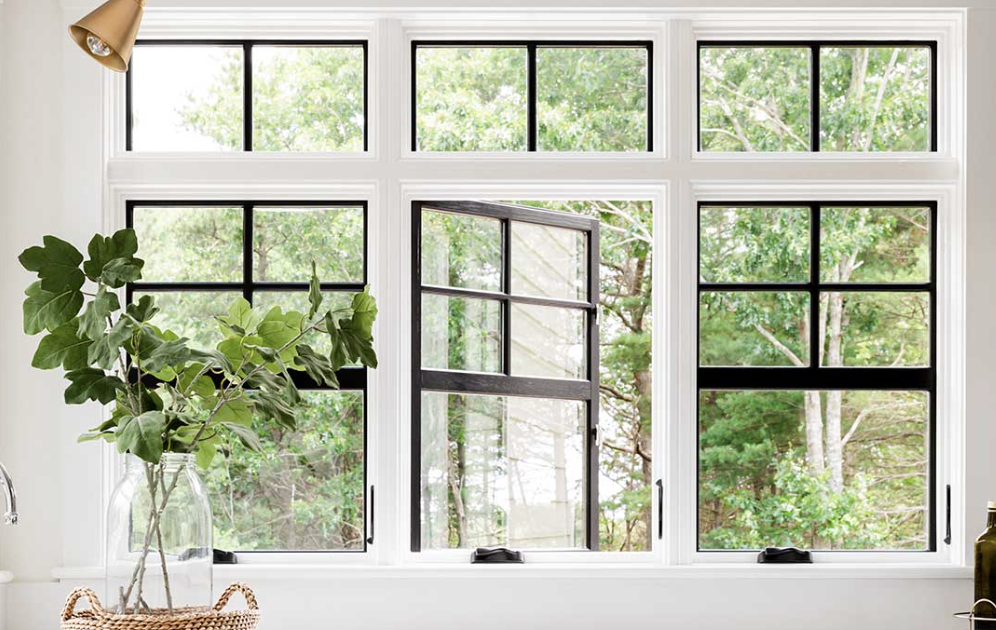
The highest-performing windows balance several factors at once: a low SHGC to block unwanted solar heat, a low U-Factor to improve insulation, high-performance Low-E glass that reflects infrared energy while keeping visible light in, and warm-edge spacer systems that cut down heat transfer around the edge of the glass. Even the best-rated window on paper can underperform if it isn't installed correctly — installation quality is just as much a part of the equation as the product itself.
Does Frame Material Matter?
Absolutely, and each material brings its own advantages.
Vinyl is affordable, energy efficient, low maintenance, and a popular choice for replacement projects.
Fiberglass — found in products like Marvin Essential, Marvin Elevate, and Pella Impervia — offers excellent strength with very little expansion and contraction in Texas heat.
Thermally broken aluminum is nothing like older aluminum systems. Today's thermally broken frames use insulating barriers that dramatically cut heat transfer while keeping slim sightlines and strong structural performance.
Bigger Glass Doesn't Always Mean More Heat
A lot of homeowners assume larger windows automatically make a house hotter — that's not necessarily true. A large, well-oriented window with a low SHGC, quality Low-E glass, and warm-edge spacers can actually outperform an older, smaller single-pane window by a wide margin. Modern glass technology has genuinely changed what's possible.
Better Questions to Ask Your Window Contractor
Instead of just asking "what's the U-Factor," try asking which Low-E glass package is recommended for Central Texas, what the SHGC rating is, whether the glass is optimized for cooling climates, how it compares to other window lines, and which option offers the best value for your home. Those questions tend to lead to a much more useful conversation.
Frequently Asked Questions
What is a good SHGC for Texas?
Generally, a lower SHGC is preferred in hot climates because it blocks more solar heat from entering the home.
Is U-Factor or SHGC more important in Texas?
Both matter, but many Central Texas homeowners benefit more from prioritizing a lower SHGC, since cooling costs typically outweigh heating costs here.
Does Low-E glass reduce heat?
Yes. Low-E coatings reflect infrared heat while still allowing visible light through, helping keep homes cooler during Austin summers.
Are Energy Star windows always the best choice?
Energy Star windows are excellent, but it's important to choose products certified for your specific climate zone — a window optimized for northern states may not be the best fit for Central Texas.
Can replacement windows lower my electric bill?
Many homeowners see reduced cooling costs after replacing older single-pane windows with modern, energy-efficient windows featuring Low-E glass and insulated frames.
Why Austin Homeowners Choose JP Exteriors
Choosing replacement windows isn't just about comparing brochures. At JP Exteriors, we help homeowners compare Marvin Essential, Pella Impervia, Andersen 100 Series, NT Windows, Simonton, and MI Windows, and we'll walk you through the differences between U-Factor, SHGC, frame materials, glass packages, and installation methods — so you choose the window that's actually best for your home, not just the one with the biggest marketing budget.
Get Started with a Free Consultation
Ready to upgrade to energy-efficient replacement windows built for Texas? Our team can help you compare window brands, understand performance ratings, and choose the right solution for your home and budget.
Remember: When you refer a friend or neighbor for windows, siding, roofing, or door replacement, you can earn up to $250 through the JP Exteriors Referral Program.
Don't choose a window based on advice meant for a Minnesota winter. Choose one that's designed to handle an Austin summer.
Subscribe to JP Exteriors's Blog




Comments