If you live in Austin or the surrounding Hill Country, you may have heard the term Wildland-Urban Interface — or WUI — come up around home renovations, wildfire risk, or building codes. But what exactly is the WUI, and how do you know if your home is actually inside it?
The answer is more complicated than glancing at a wildfire-risk map. The WUI is a specific designation for areas where developed properties sit close enough to wildland vegetation that wildfire — and especially wind-blown embers — can threaten structures. For Austin homeowners planning a roof replacement, siding replacement, deck, patio cover, window replacement, or other exterior renovation, knowing whether your property falls within the city's WUI boundaries can matter a great deal before work ever begins.
What Is the Wildland-Urban Interface?
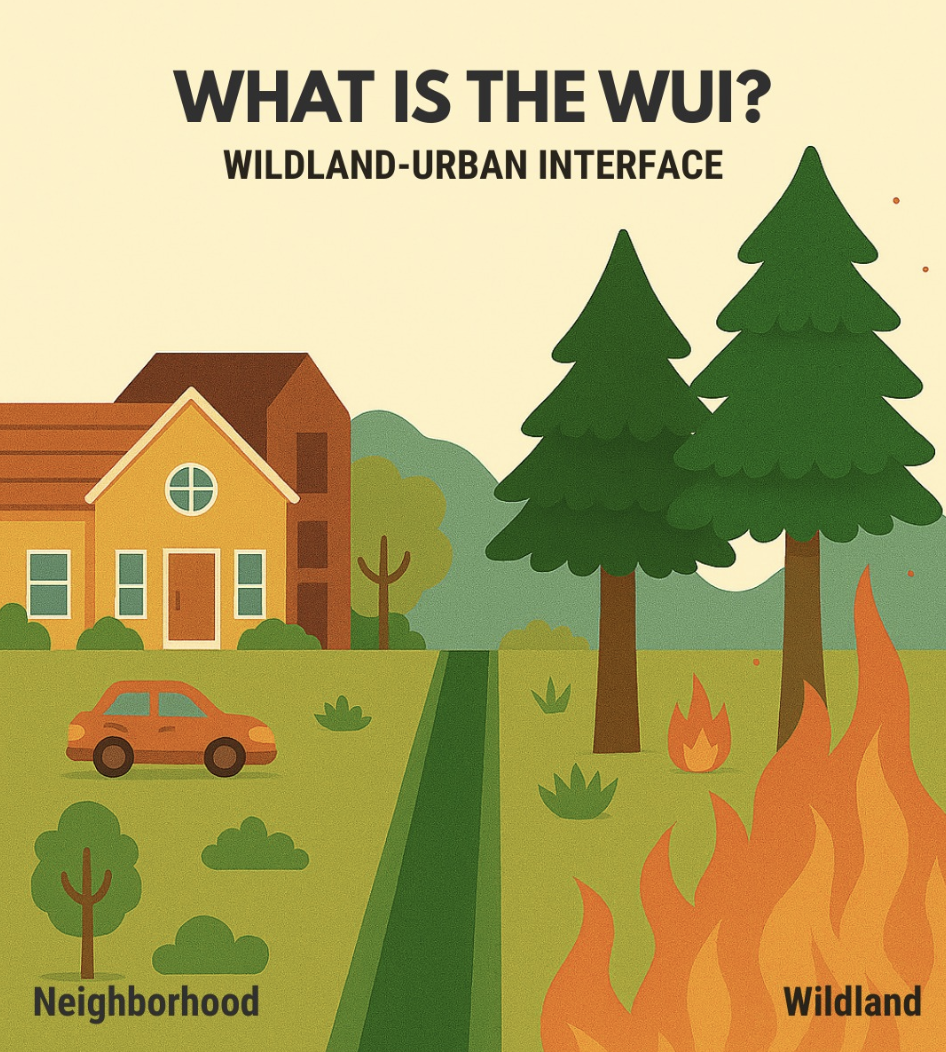
The WUI is the area where homes and other developed properties meet or intermingle with undeveloped land that can fuel a wildfire — think neighborhoods bordering greenbelts, parks, preserves, brush-covered land, forested areas, large undeveloped properties, or natural hillsides. You don't need to live deep in the Hill Country to be in the WUI. A home surrounded by other houses can still fall within a WUI zone simply because it sits close enough to a sufficiently large wildland area. That's exactly why homeowners shouldn't try to guess their WUI status just by looking around their neighborhood.
Why Does the WUI Matter to Homeowners?
The WUI isn't just a risk label — in Austin, it's tied directly to construction requirements. Austin was the first major city in Texas to adopt the International Wildland-Urban Interface Code, originally in 2020, with an updated version taking effect for applicable projects on July 10, 2025. The code sets requirements designed to make buildings more resistant to wildfire ignition, and it can affect exterior projects involving roofing, siding, soffits, fascia, decks, patio covers, pergolas, exterior walls, windows, doors, gutters, vents, exterior ceilings, and fences.
Austin's WUI Has Three Proximity Zones
One of the most important things for homeowners to understand is that Austin's WUI isn't a simple yes-or-no designation — it's broken into three proximity zones, A, B, and C, based on how far your structure sits from qualifying wildland.
Zone A (0–50 feet) applies when a structure sits 50 feet or closer to wildland. It's the most exposed zone and carries the strictest requirements, covering things like ignition-resistant building materials, Class A roof coverings, soffits, fascia, vent openings, and skylights.
Zone B (50–150 feet) applies when a structure is more than 50 feet but no more than 150 feet from qualifying wildland. It still carries ignition-resistant construction requirements, though some details differ from Zone A — covering roofing, soffits, vent openings, and other exterior components.
Zone C is where things get more interesting. A structure can land in Zone C if it's more than 150 feet but within 1.5 miles of 750 or more acres of wildland, or more than 150 feet but within half a mile of 40 or more acres of wildland. That means a home doesn't have to back directly up to a greenbelt to be inside the WUI — you could be hundreds or even thousands of feet from wildland and still fall within Zone C.
How the WUI Maps Are Actually Drawn
This is where a lot of homeowners get confused. The WUI map isn't simply a map of every property with "high wildfire risk" — it identifies qualifying wildland areas and builds proximity zones around them using specific distance and acreage thresholds. The result can look a little unusual street by street: one side of a road might fall within a WUI zone while a nearby property doesn't. That's exactly why checking your specific property matters far more than asking a general question like "Is Austin in the WUI?"
More Than Half of Austin Is in a WUI Zone
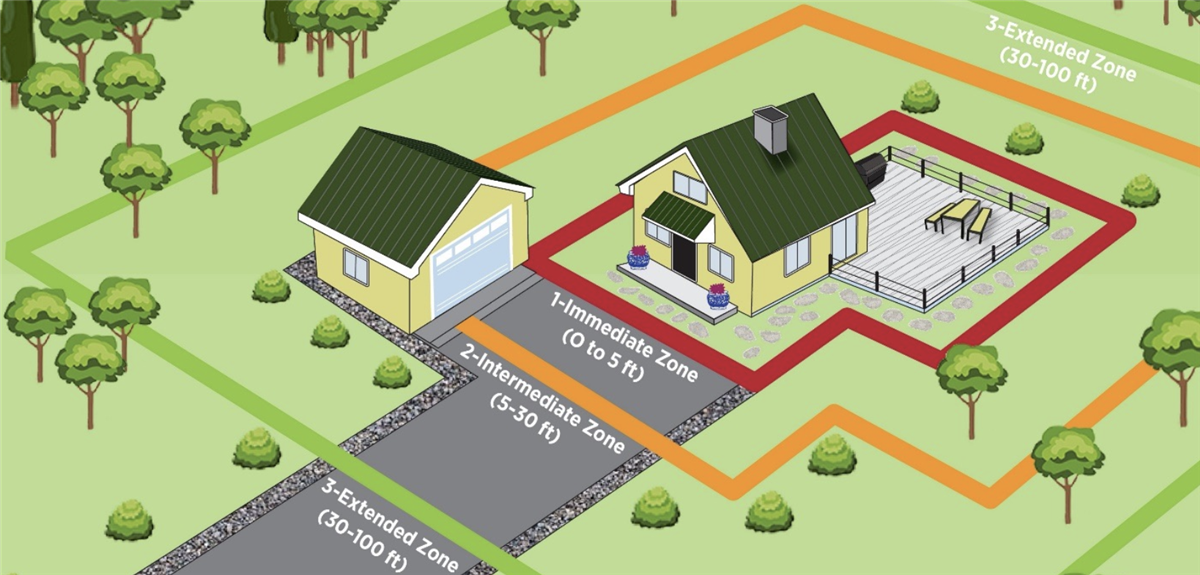
This isn't a fringe issue affecting a handful of homes. Under the current code, more than half of Austin falls into one of the three WUI zones. That makes WUI requirements increasingly relevant for anyone planning exterior work in the city, and the issue extends beyond Austin proper — communities throughout the region face real wildfire exposure due to the mix of development, vegetation, drought conditions, and open space. Round Rock's 2024 Hazard Mitigation Plan estimates roughly 59% of its population lives within the WUI, and Cedar Park has similarly identified WUI wildfire risk where developed neighborhoods meet open, vegetated land.
That said, being in a WUI-designated area doesn't automatically mean every surrounding city applies Austin's specific WUI Code.
Which Jurisdictions Actually Use Austin's WUI Code?
Austin's WUI Code applies specifically to properties within the City of Austin's Full Purpose or Limited Purpose jurisdiction — it does not apply to properties located entirely within Austin's extraterritorial jurisdiction. That means a WUI designation on a regional wildfire-risk map doesn't automatically mean Austin's building code applies to your home. Cities like Cedar Park, Round Rock, Lakeway, Bee Cave, Pflugerville, and other surrounding communities have their own jurisdictions, building codes, and wildfire regulations, and some may have wildfire-related rules without adopting Austin's exact code. Always check with the authority having jurisdiction over your property before starting work.
How Do I Check If My House Is in the WUI?
Start with Austin Fire's Interactive WUI Code Map, which the city specifically recommends for determining whether a project falls within a proximity zone. But there's an important catch: the map is a starting point, not the final word.
Austin's own guidance notes that Zones A and B are shown together on the interactive map, so you can't necessarily look at the map alone and know which of the two applies to your property — the actual distance from your structure to the nearest qualifying wildland needs to be measured, and the city recommends confirming those conditions on site. Wildland can also extend beyond a property line, so don't assume the boundary of your lot is where the relevant measurement stops.
What If I'm Planning a Siding Replacement?
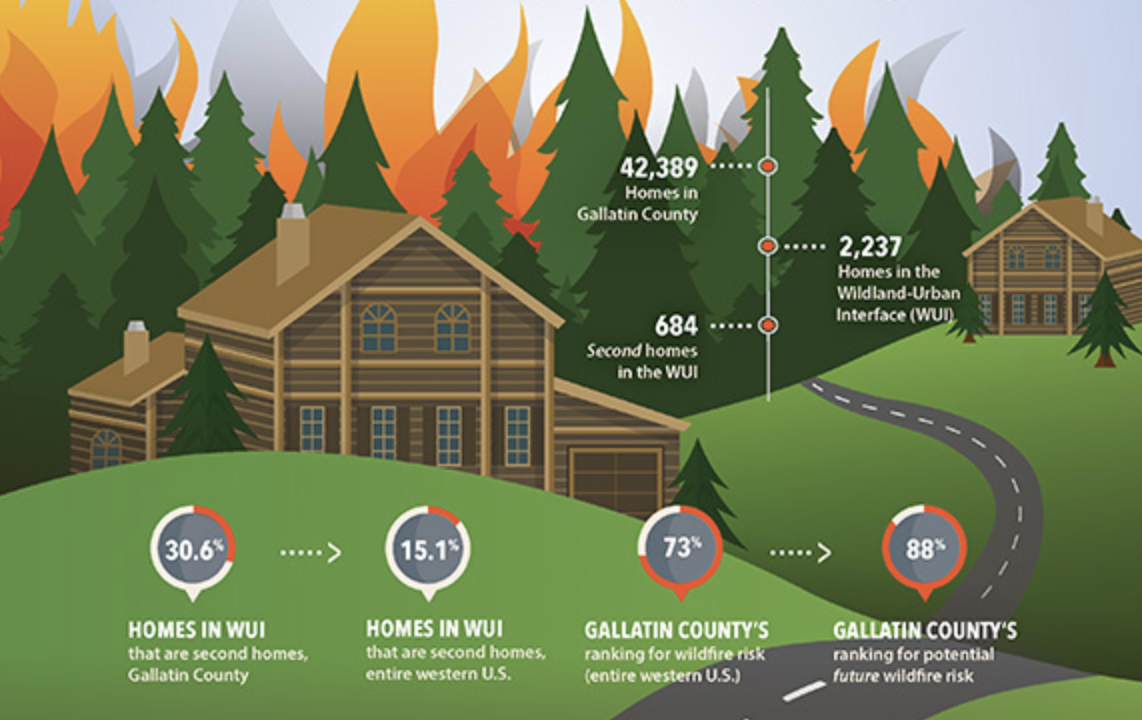
This is where WUI requirements become especially relevant. If you're replacing siding in an applicable zone, you may need materials and assemblies that meet ignition-resistance requirements. James Hardie fiber cement siding is a strong option to discuss, since fiber cement is noncombustible and commonly used in wildfire-resistant exterior construction — but don't choose a product just because someone tells you it's "WUI compliant." The actual requirement depends on your zone, the assembly, the installation details, and the specific product. Austin maintains a WUI Approved Materials List that identifies products reviewed against the applicable requirements, which is the more reliable place to verify compliance.
What About Roofing?
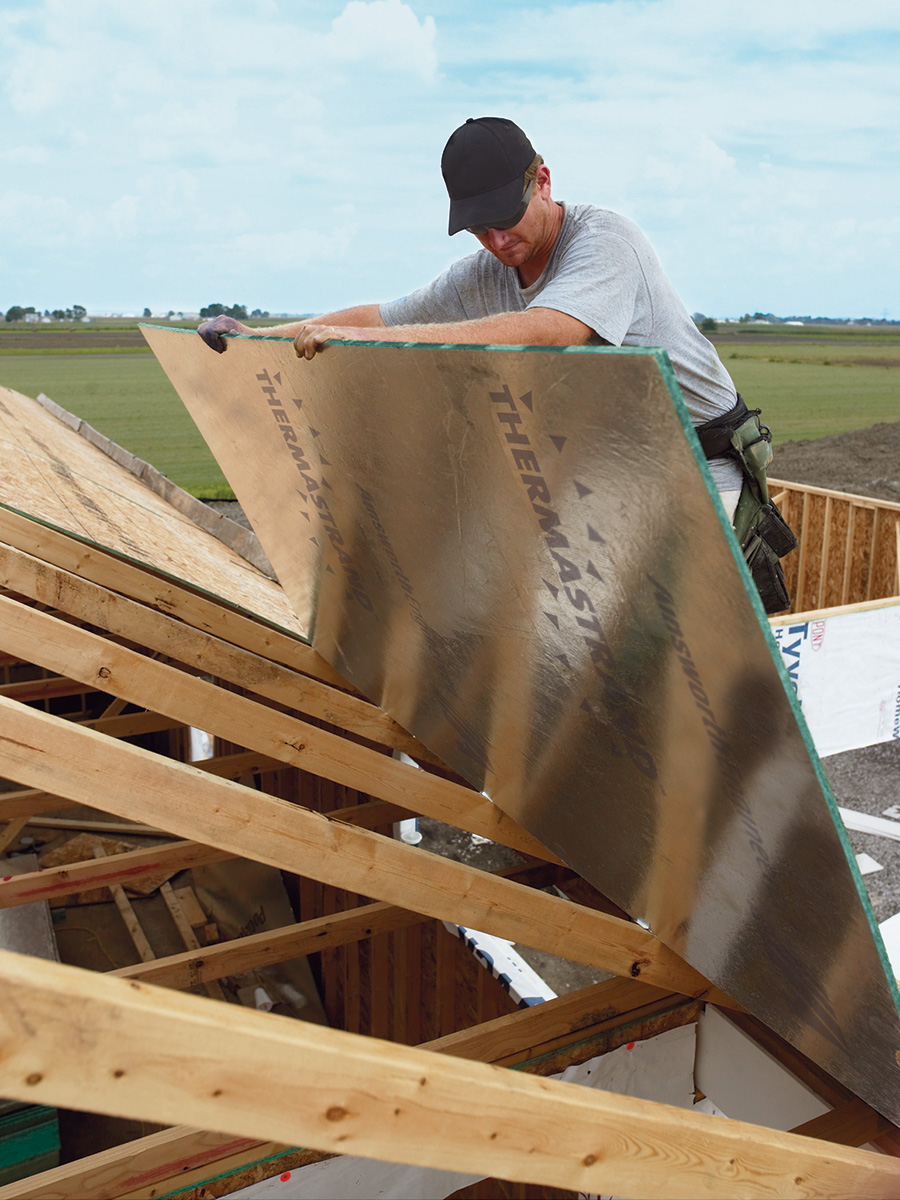
Roofing is another major factor. Austin's WUI requirements include Class A roof covering requirements across all three proximity zones, along with additional rules around roof valleys and other roof components. That means a homeowner planning a roof replacement in a WUI zone shouldn't pick a shingle based on color and price alone — the full roofing assembly needs to be evaluated against the applicable code.
Decks, Pergolas, and Patio Covers Can Matter Too
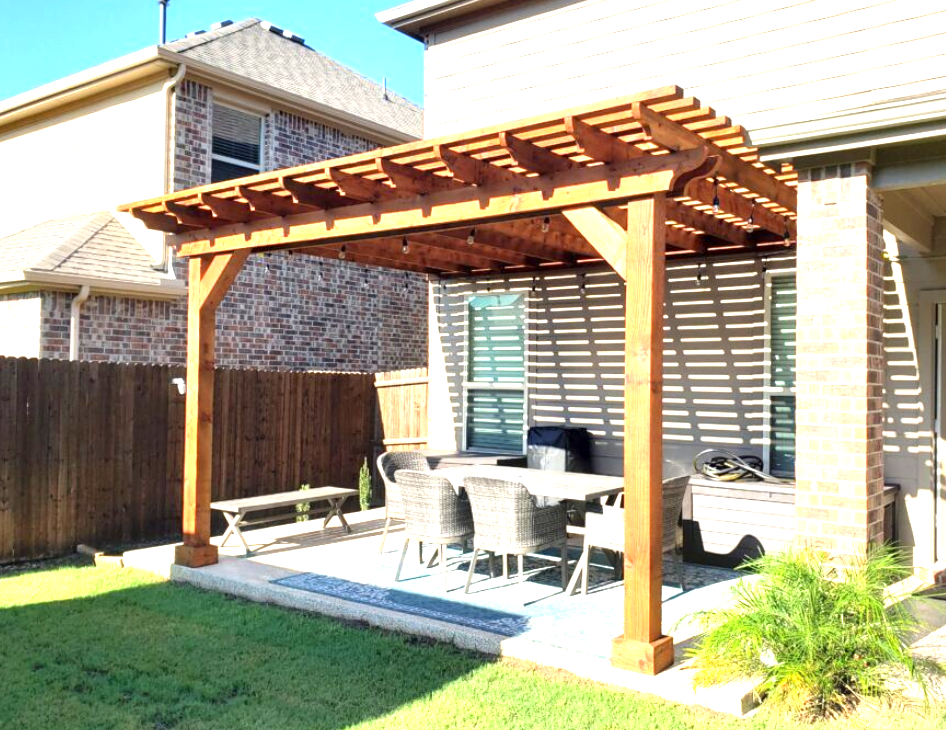
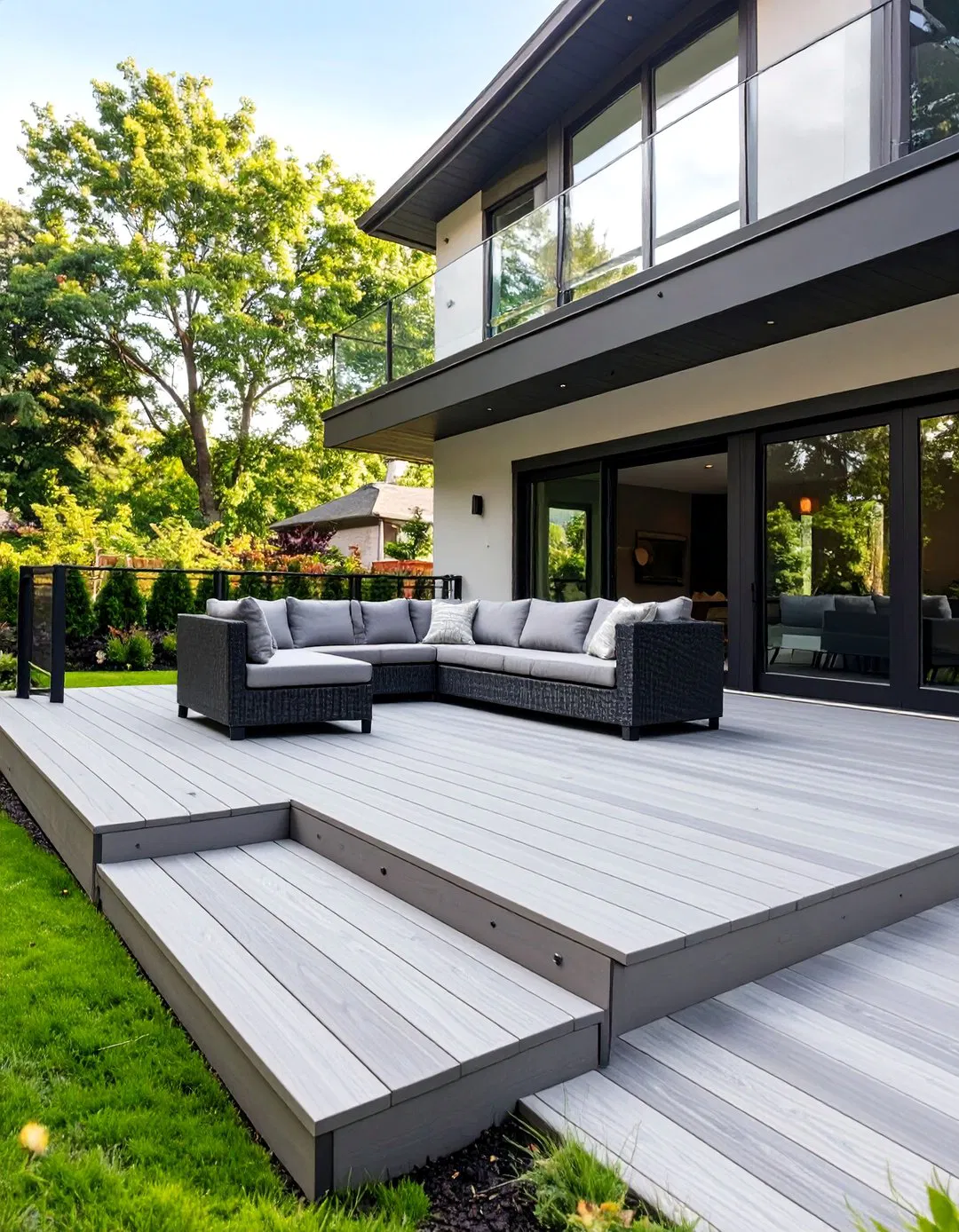
A common misconception is that WUI rules only apply to the house itself. They don't. Austin's WUI guide specifically includes decks, patio covers, pergolas, and similar structures among the types of work affected — which matters a lot if you're planning an outdoor living project next to your home, since the materials and construction details can shape how the project needs to be designed.
What About Windows and Doors?
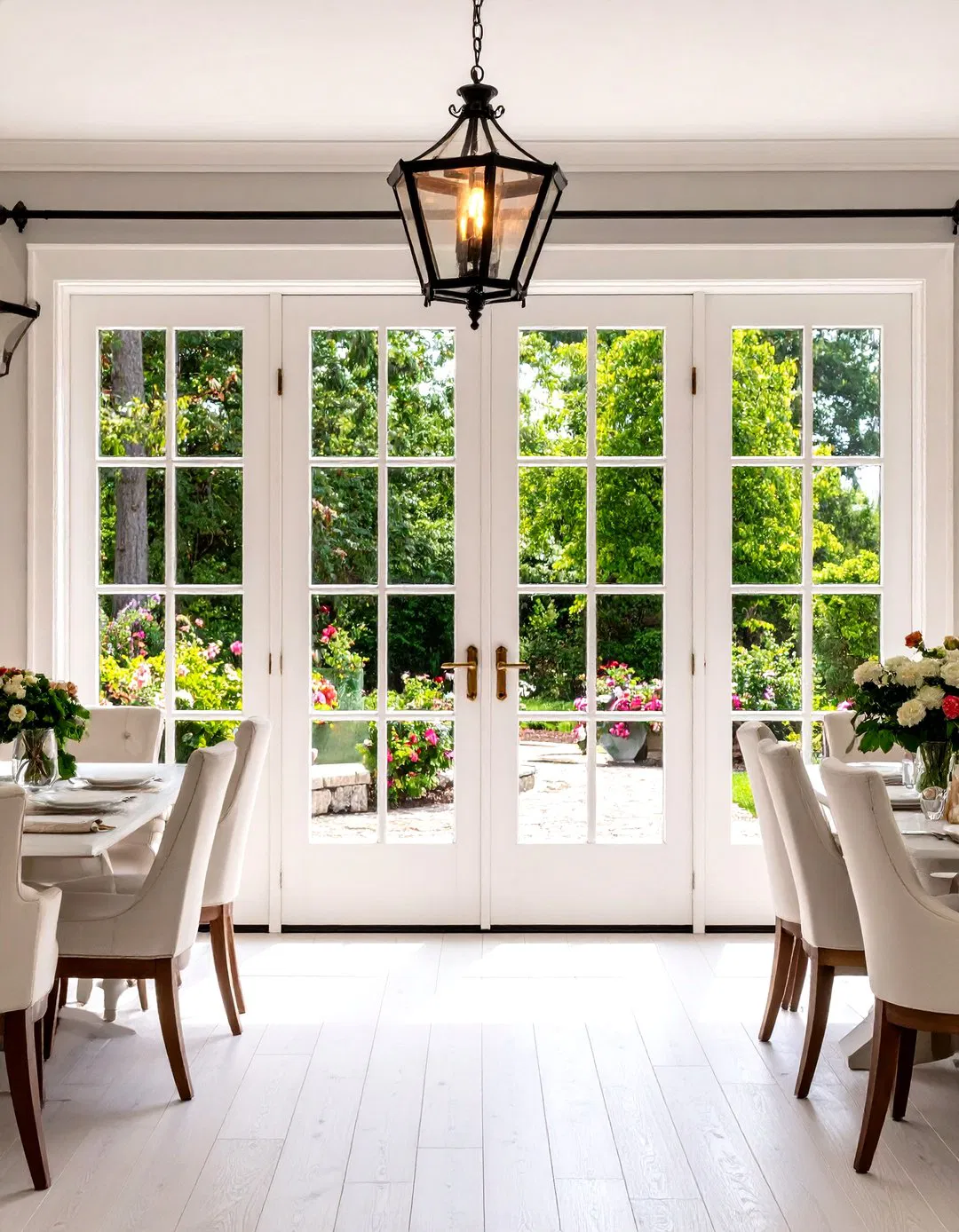
Windows and exterior doors are part of the conversation too. WUI construction isn't about making a home "fireproof" — it's about reducing the ways flames, radiant heat, and especially wind-blown embers can ignite vulnerable parts of a structure. Austin's project guide includes walls, windows, and doors among the components subject to WUI requirements, which is why it's worth evaluating your entire exterior assembly rather than looking at individual products in isolation.
Does an Existing House Have to Be Brought Up to Code?
Not necessarily, and this distinction matters. Austin generally does not require existing buildings to be retroactively upgraded to the current WUI Code simply because they sit in a WUI area. The 2024 code applies to new construction or development — and applicable permit applications — submitted on or after July 10, 2025. That said, specific projects, alterations, and repairs can trigger applicable requirements, so don't assume your house is automatically exempt just because it predates the code. The type and scope of your project is what matters.
Why You Should Check Before Getting a Quote
Checking your WUI status before you start planning can save real headaches. Imagine collecting three bids for a siding replacement, then finding out after picking a contractor that your project needs different materials because of WUI requirements — or discovering halfway through a deck build that the planned materials don't meet code. It's far easier to catch these issues before ordering anything.
A Simple WUI Checklist for Austin Homeowners
Before starting an exterior renovation, it's worth working through a short list: confirm you're actually within the City of Austin's Full Purpose or Limited Purpose jurisdiction; check the Interactive WUI Code Map; determine your proximity zone if applicable; confirm the site conditions in person rather than relying on the map alone; identify which components of your project are affected (roof, siding, soffit, fascia, windows, doors, deck, patio cover, pergola, vents, gutters, exterior ceilings); verify that your contractor's products and assemblies meet the applicable requirements; and confirm permitting requirements — since Austin notes that even work that doesn't require a permit still has to comply with WUI rules.
WUI Doesn't Mean Your Home Has to Look Like a Fire Station
One of the biggest misconceptions about wildfire-resistant construction is that homeowners have to sacrifice design to get it. That's not the case — today's exterior products deliver both fire resistance and real architectural appeal. Depending on the project, homeowners can consider James Hardie fiber cement siding, HardieTrim, HardieSoffit, Class A roofing systems, impact- and fire-resistant roofing products, approved deck and patio materials, and modern windows and doors. The key is choosing the right products before they're ordered, not after.
Why JP Exteriors Pays Attention to WUI Requirements
At JP Exteriors, we work on the exact types of exterior projects that can be affected by WUI requirements — James Hardie siding replacement, roof replacement, window replacement, door replacement, deck replacement, patio covers, pergolas, outdoor living projects, and gutters. If you're planning an exterior renovation anywhere in the Austin area, it's worth checking WUI requirements early in the process. We're not here to push the most expensive fire-resistant product available for every home — our goal is helping you understand what your specific property requires, what your options are, and which products actually make sense for your project.
Frequently Asked Questions
What does WUI stand for?
WUI stands for Wildland-Urban Interface — areas where developed properties sit near or intermixed with wildland that can fuel a wildfire.
Is my Austin home automatically in the WUI?
No. WUI coverage depends on your property's location relative to qualifying wildland. More than half of Austin currently falls within one of the city's WUI zones, but you'll still need to check your individual property.
How do I check my Austin WUI zone?
Start with Austin Fire's Interactive WUI Code Map. If your property falls within the mapped area, additional on-site measurement may be needed to confirm the specific proximity zone.
What are Zones A, B, and C?
Zone A is within 50 feet of qualifying wildland. Zone B is more than 50 feet and up to 150 feet. Zone C extends farther — up to 1.5 miles from wildland areas of 750 or more acres, or up to half a mile from areas of 40 or more acres.
Does WUI code apply outside Austin?
Austin's WUI Code applies specifically within the city's Full Purpose and Limited Purpose areas. Other nearby cities may have different wildfire regulations, so homeowners outside Austin should check with their local authority having jurisdiction.
Does WUI code apply to siding and roofing?
Yes. Austin's WUI requirements address roofs, exterior walls, siding-related assemblies, soffits, fascia, vents, windows, doors, decks, patio covers, and other exterior features — the exact requirements depend on your project and proximity zone.
How can I find out if my Austin home is in a WUI zone?
Homeowners should check the current WUI map and applicable requirements for their specific property because WUI designations can vary by location and jurisdiction.
What materials are allowed in Austin WUI areas?
WUI requirements can limit the use of combustible exterior materials and may require ignition-resistant or noncombustible materials depending on the property's specific zone and construction requirements.
Is James Hardie siding good for WUI homes?
Fiber cement products such as James Hardie siding are commonly used for fire-resistant exterior assemblies because fiber cement is noncombustible.
Does WUI code apply to decks and patio covers?
It can. WUI requirements may apply to exterior structures and materials such as decks, porch components, patio covers, and other areas exposed to wildfire embers.
Do I need to replace my existing siding if my home is in a WUI zone?
Not necessarily. WUI requirements generally become particularly relevant when you're constructing, remodeling, or replacing components, but the exact requirements depend on your project and jurisdiction.
Get Started With a Free Consultation
Planning a siding replacement, roof replacement, window replacement, deck, patio cover, or other exterior renovation in Austin? Before you choose materials, let's make sure you understand what your property actually requires.
If you're renovating in Austin's WUI, check your zone before you pick your products — it can make the difference between a smooth project and an expensive surprise.
Remember: When you refer a friend or neighbor for windows, siding, roofing, or door replacement, you can earn up to $250 through the JP Exteriors Referral Program.
Subscribe to JP Exteriors's Blog



Comments