You look up at your house and notice a section of fascia that's soft, stained, swollen, or starting to rot. The obvious assumption is that something's wrong with the roof. But in a lot of cases, the roof is doing exactly what it's supposed to do — the real problem is often several inches, or several feet, away.
Water can travel from a gutter, roof edge, valley, wall, or patio long before it ever reaches the fascia. By the time you actually see rot, the original source of the water may be nowhere near the damaged wood. For Austin-area homeowners, this matters more than usual, since heavy thunderstorms and the occasional wind-driven storm expose weaknesses in exterior drainage systems fast. Here's where we typically look.
What Is Fascia, Exactly?
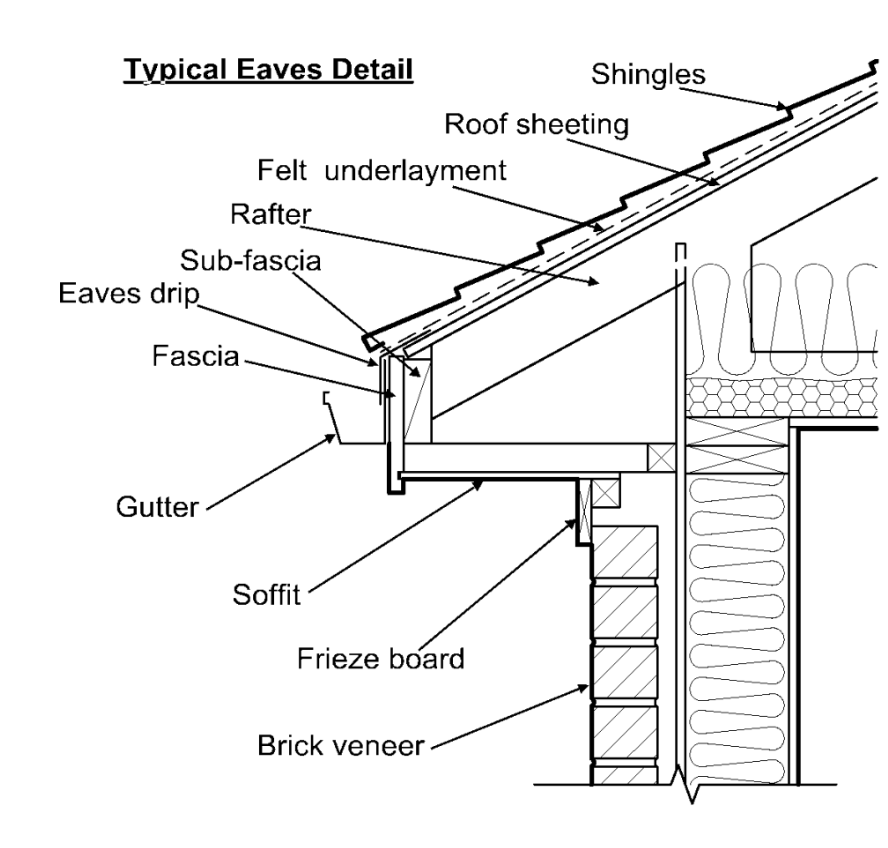
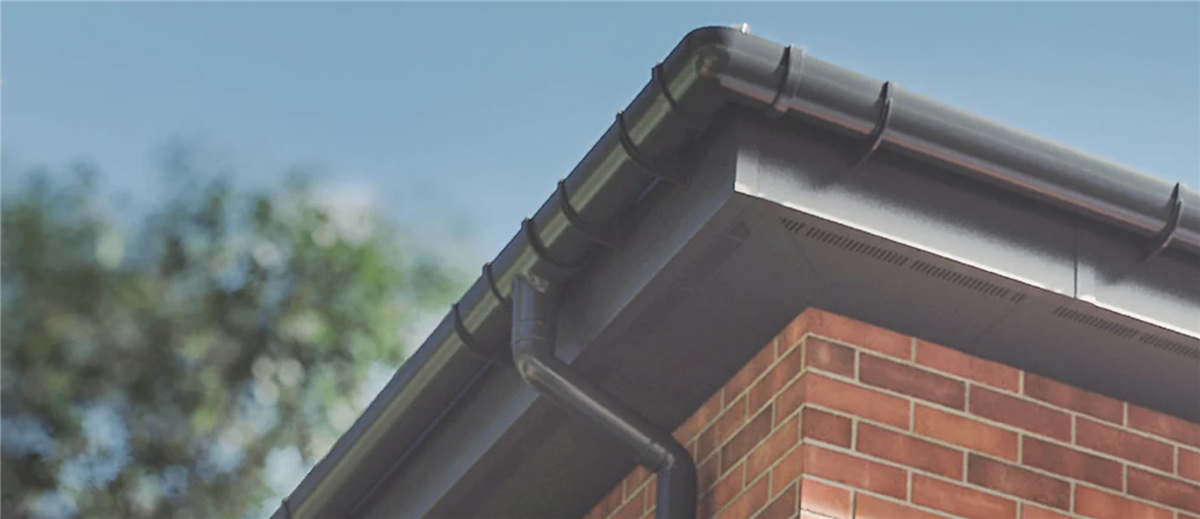
Fascia is the trim board running along the edge of your roof, directly behind or beneath the gutter. It gives the roof a finished edge, supports the gutter system, protects the roof edge and framing underneath, helps seal the transition between the roof and exterior wall, and gives other exterior components a place to attach. Because it sits right where several systems meet, it's also uniquely exposed to water — which is the key point here: fascia rot is usually a drainage problem, not a roofing problem.
The Water Doesn't Have to Come From the Roof
Picture a piece of fascia with visible water damage near the end of a gutter. It's tempting to assume the shingles above are leaking, but there are several other, more likely explanations. The water could be overflowing the gutter, running behind it, coming through a missing or improperly installed drip edge, splashing against the fascia from a patio roof, entering at a roof-to-wall transition, draining from a nearby valley, or wicking into the wood through an improperly sealed joint. The damaged wood is simply where the water ended up — not necessarily where it started.
1. Gutter Overflow Is One of the Biggest Culprits
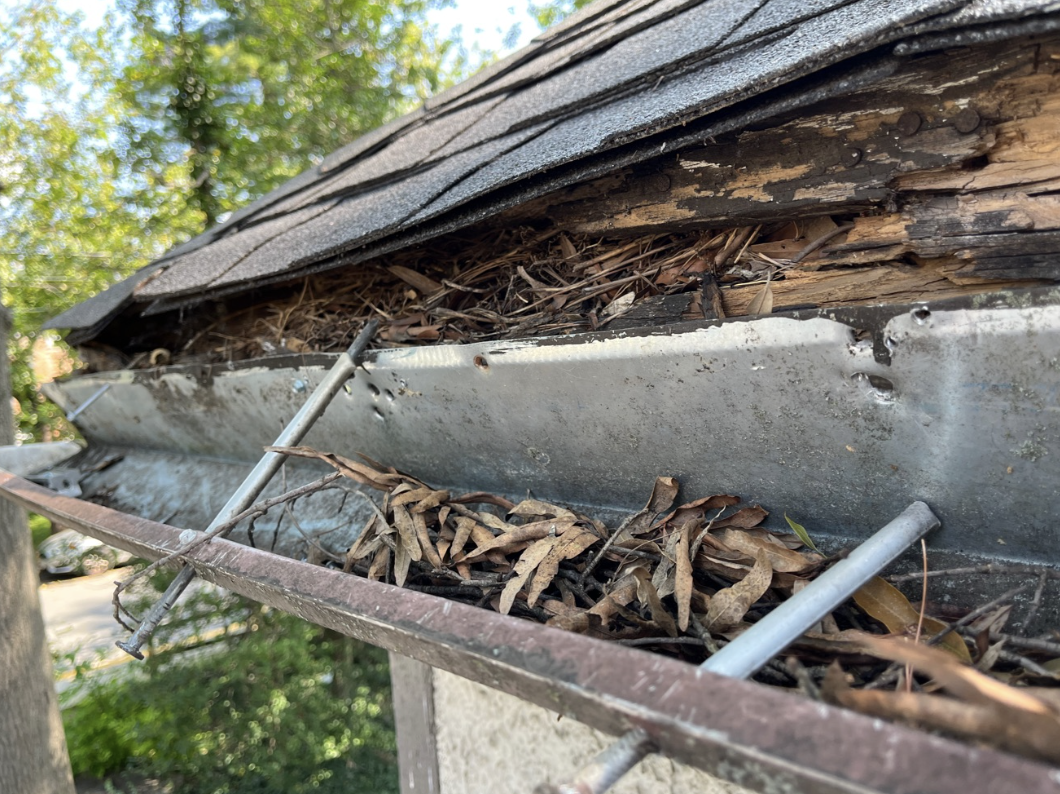
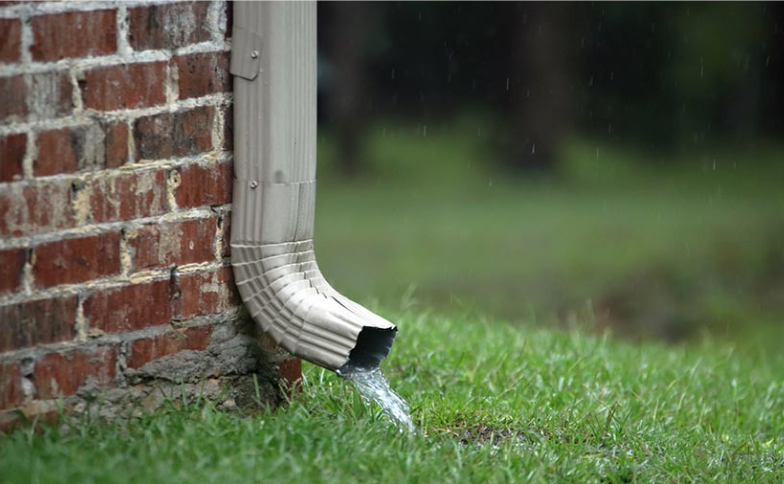
This is one of the first things we check when we see fascia damage under a gutter. Gutters are supposed to collect roof water and carry it away from the house, but when they overflow, that water runs directly against the fascia instead. Overflow usually comes down to leaves and debris, clogged or undersized downspouts, gutters installed at the wrong slope, too much roof area draining into one section, heavy rainfall overwhelming the system, or gutters that have started pulling away from the fascia. Even a properly installed gutter can overflow if it simply can't keep up with the volume of water reaching it — and once that happens repeatedly, the fascia stays wet long enough for rot to take hold.
The Most Common Mistake: Replacing Fascia Without Fixing the Water
This is where homeowners end up paying twice. A contractor replaces a rotten 10-foot section of fascia, and it looks great — until the next big storm hits, the gutter overflows again, the new fascia gets soaked, and a few years later you're looking at the same problem all over again. The wood was never the root cause; it was the victim. Whenever rotten fascia gets replaced, the actual source of the moisture needs to get addressed at the same time, or the new wood is just waiting for the same fate.
2. Missing or Improperly Installed Drip Edge
The drip edge is a small component that plays an outsized role at the edge of your roof — it's designed to direct water away from vulnerable roof-edge components and into the gutter. Without the right configuration, water can find its way behind the gutter or straight onto the fascia, often without any visible sign from the ground. What you might actually see is dark staining, peeling paint, swollen wood, soft spots, cracked caulk, and eventually visible rot. That's exactly why replacing a rotten fascia board without examining the roof edge often isn't enough.
3. Your Patio Could Be Sending Water Toward the House
Here's one homeowners rarely expect: the water damaging your fascia might be coming from your patio cover or porch, not your main roof. Rain hits the patio roof and, instead of draining away, runs toward the house or through a poorly designed transition and splashes or drains against the exterior wall. Over time, that repeated exposure can damage fascia, soffit, siding, trim, and other exterior components — all while the main roof stays completely dry and functions normally.
What Is "Backsplash"?
When rainwater hits a surface and splashes back toward the house, it creates a localized moisture problem — patio covers are a common place to find it. Water running off a patio roof can hit the main wall, fascia, trim, a gutter, or a lower roof section, and if that transition wasn't designed to manage the water properly, the same spot gets saturated every single time it rains. One storm probably won't rot your fascia. Hundreds of wetting and drying cycles will.
4. The Gutter May Be Pulling Away From the House
Another common issue is a gutter that's started separating from the fascia — sometimes just a slight sag that opens a small gap. That gap is enough to let water get behind the gutter instead of staying inside it, running directly against the fascia. Watch for visible gaps behind the gutter, sagging sections, loose fasteners, separating seams, water stains underneath the gutter, or rot concentrated where the gutter hangers attach. Sometimes the fascia becomes too damaged to properly support the gutter in the first place, and you end up in a cycle: rot weakens the fascia, the gutter attachment gets worse, more water reaches the fascia, and more rot follows.
5. A Roof Valley Can Send More Water Than You'd Expect
Roof valleys concentrate water — during a heavy storm, a surprising amount of water can be funneling through a relatively small area. If that valley drains toward a gutter section that's undersized, poorly configured, or improperly protected, the concentrated flow can overwhelm the system and end up on the fascia below. Again, the roof itself may not be leaking at all — it's simply delivering water faster than the drainage system underneath it can handle.
6. Paint Can Hide Fascia Rot for Years
Part of why fascia problems seem to appear out of nowhere is that the damage was likely developing underneath the paint for a while. Wood can start deteriorating while the exterior still looks completely normal, and by the time you notice bubbling or peeling paint, cracking, soft spots, discoloration, swelling, small holes, or insect activity, the underlying wood may already be significantly compromised. That's why probing suspicious areas during an exterior inspection is worth the extra few minutes.
How Do You Actually Find Where the Water's Coming From?
This is the detective work — instead of looking at a rotten board and simply saying "replace it," the real question is why that particular piece of fascia rotted in the first place. Start by checking the gutter: is it overflowing, sagging, pulling away, clogged, or improperly sloped? Then check the roof edge for a proper drip edge, signs of water getting behind the gutter, damaged materials, or improper transitions. Look at nearby roof sections — valleys, roof-to-wall transitions, penetrations, or areas where multiple roof planes drain together. And check any patios or porch roofs by asking the simple question: where does the water actually go when it rains? That's often the most important question in the whole inspection.
Don't Ignore the Soffit
Fascia and soffit work together at the roof edge, so if water has been getting behind the fascia, it's often affecting the soffit too. Look for staining, sagging, soft spots, peeling paint, mold-like discoloration, or damaged vents. If both are showing damage, that's another strong signal to track down the source rather than just replacing the visible trim.
What About the Roof Deck?
In more serious cases, prolonged moisture can reach components behind the fascia and soffit entirely — roof decking, rafter tails, subfascia, wall framing, or sheathing, depending on the construction. That's where a seemingly small fascia repair can turn into a much larger project. The good news is that catching the problem early is usually what prevents that escalation.
Why Austin Weather Tends to Expose These Problems
Central Texas gets plenty of intense rainfall, and a gutter system that seems perfectly fine during a light shower can behave very differently once a major storm dumps a lot of water onto the roof in a short window. That's when you tend to see gutters overflowing, downspouts struggling to keep up, water shooting over the gutter edge, valleys dumping large volumes at once, patio covers creating backsplash, and weak drainage details becoming obvious. The storm isn't necessarily creating the problem — it's revealing one that was already there.
Should You Just Replace the Rotten Fascia?
Sometimes, yes — but replacing the wood is only half the job. A proper repair answers two questions: how much of the fascia is actually damaged, since the visibly rotten section isn't always the full extent of it, and why it rotted in the first place, since an uncorrected cause just exposes the replacement material to the same conditions that destroyed the original. Depending on what's found, the fix could involve replacing damaged fascia, repairing or replacing gutters, correcting gutter slope, improving downspout drainage, fixing drip-edge installation, repairing roof-edge details, addressing patio drainage, repairing soffit, or replacing other damaged wood underneath.
Wood or a Different Material?
That depends on the application and existing construction — wood fascia is common, but engineered wood, fiber cement, PVC, and other trim materials are all options too. The important thing isn't just picking a material that "doesn't rot." You still have to stop the water from getting where it shouldn't in the first place, since an unaddressed water-management problem can go on damaging the surrounding materials even if the new fascia itself is highly moisture resistant.
The Biggest Takeaway
When you see rotten fascia, don't immediately blame the roof — it may be perfectly fine. The real culprit is usually somewhere else in the water's path: gutter overflow, a missing or improper drip edge, patio backsplash, roof valley drainage, a loose gutter, or poor water management generally. The visible damage is often just the final stop in a much longer journey. Find the water first, replace the wood second.
What JP Exteriors Looks For
At JP Exteriors, we work on exterior systems that interact with one another, so when we're looking at damaged fascia, we're not just looking at a piece of wood — we're looking at the roof, gutters, drip edge, fascia, soffit, siding, patio covers, roof-to-wall transitions, and overall drainage as a whole system. Exterior remodeling isn't really a collection of unrelated projects; your roof, gutters, siding, trim, and outdoor structures all have to manage water together. When one part fails, the damage often shows up somewhere completely different.
Frequently Asked Questions
If my fascia is rotting, does that mean my roof is leaking?
Not necessarily. Fascia rot is often caused by gutter overflow, a missing drip edge, patio backsplash, or other drainage issues rather than an actual roof leak.
Can I just replace the rotten fascia board and be done with it?
You can, but if the underlying moisture source isn't fixed at the same time, the new fascia is exposed to the same conditions that damaged the original — and the rot tends to come back.
How do I know if my gutters are causing the problem?
Look for overflow during heavy rain, sagging sections, gaps behind the gutter, clogged downspouts, or water stains underneath the gutter line. These are all signs the gutter system isn't managing water the way it should.
Can a patio cover really cause fascia rot on the main house?
Yes. Water running off a patio roof can splash or drain against the main wall, fascia, or trim if the transition wasn't designed to direct it away properly — a problem known as backsplash.
Should I be worried about what's behind the fascia?
In more serious cases, prolonged moisture can reach the roof deck, rafter tails, subfascia, or wall framing. Catching fascia rot early is usually what keeps a small repair from turning into a bigger one.
Can bad gutters cause fascia rot?
Yes. Overflowing or improperly pitched gutters can repeatedly expose the fascia to water and eventually cause deterioration.
Can missing drip edge cause fascia damage?
Yes. Without properly installed drip edge, water can travel behind the gutter or along the roof edge and contribute to damage to the fascia and roof-edge materials.
Why is my fascia rotting if my roof doesn't leak?
Roof leaks aren't the only source of moisture. Gutter overflow, poor flashing, missing drip edge, and water coming from adjacent structures can all contribute to fascia rot.
Should rotted fascia be replaced before installing new gutters?
Usually, damaged fascia should be repaired or replaced before new gutters are installed so the gutter system has a solid structure to attach to.
Can patio covers cause fascia or roof-edge damage?
They can. Poorly designed or flashed patio covers can direct water toward the house instead of away from it, creating repeated moisture exposure around the fascia and roofline.
Think Your Fascia Is Rotting?
If you've noticed soft, swollen, stained, or deteriorating fascia around your Austin-area home, don't assume you need a new roof. The first step is figuring out where the water is actually coming from. JP Exteriors can evaluate your exterior and help determine whether the problem is related to the roof, gutters, drainage, patio structure, or another exterior component.
Remember: When you refer a friend or neighbor for windows, siding, roofing, or door replacement, you can earn up to $250 through the JP Exteriors Referral Program.
Subscribe to JP Exteriors's Blog





Comments