When homeowners hear "fire-resistant siding," "fire-rated roofing," or "WUI-compliant materials," it can be hard to know what those terms actually mean. A product marketed as fire resistant doesn't automatically mean it has a Class A rating, and a Class A rating for one component doesn't necessarily mean an entire wall or roof assembly meets a particular building code.
That's especially important in Austin's Wildland-Urban Interface, where the 2024 WUI Code sets specific requirements for roofs, exterior walls, soffits, fascia, decks, windows, doors, and other exterior components — and where more than half of Austin falls within one of the city's three WUI proximity zones. Here's what Austin homeowners should know about Class A, B, and C fire ratings, and why the specific product and assembly matter more than the marketing language.
What Does a Class A Fire Rating Actually Mean?
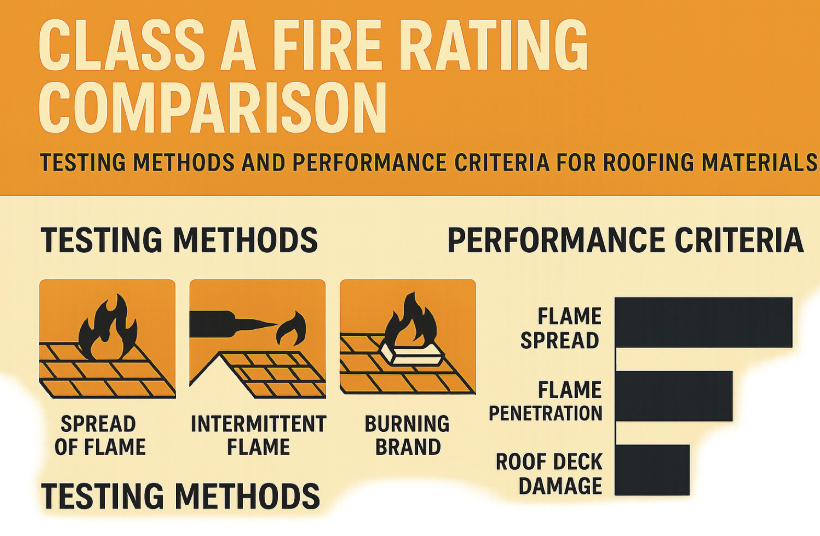
Class A is the highest flame-spread classification commonly used for building materials tested under standards like ASTM E84/UL 723. The basic classification runs from Class A (flame spread index 0–25), to Class B (26–75), to Class C (76–200) — the lower the flame-spread index, the better the material performed in that specific test.
Here's the important catch: a Class A rating doesn't mean a material is completely fireproof. The rating describes how the product performed under a specific standardized test, not that it can never burn, melt, fail, or transfer heat under every wildfire condition. That's why homeowners shouldn't stop at the phrase "fire resistant" — look for the actual testing and rating information behind it.
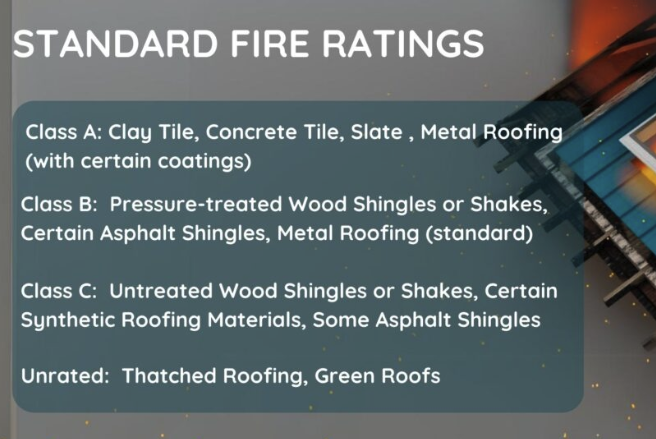
Class A vs. Class B vs. Class C
Think of the three classifications as a performance hierarchy. Class A products have the lowest flame-spread range under the applicable test and are commonly specified wherever stronger fire-performance requirements apply. Class B provides less resistance to flame spread than Class A — it may be appropriate for some applications, but it isn't interchangeable with Class A when a code or specification specifically calls for it. Class C provides the least performance of the three, which doesn't automatically mean it's unsafe or unusable — it just carries a higher flame-spread classification under the test. The important question isn't "is this material fire resistant?" It's: what is this specific product's tested fire performance, and does it meet the requirement for this application?
Product vs. Assembly: A Critical Distinction for Roofing
This distinction matters most with roofing. A homeowner might see a shingle advertised as Class A and assume the entire roof is therefore Class A — that's not necessarily how it works. A roof assembly includes the roof covering plus the deck and underlayment/insulation, tested or configured together to achieve the required fire rating. Austin's own WUI guidance is explicit on this point: the roof covering is what you see on the exterior — shingles, metal, clay tile — while the roof assembly is the covering plus the deck and underlayment, all tested together for fire resistance.
So when you're replacing a roof in a WUI area, don't stop at "is this shingle Class A?" Ask whether the complete roof assembly meets the required Class A rating, and confirm with the manufacturer that the underlayment, insulation, and sheathing are sufficient to support that rating once installed together.
Are Asphalt Shingles Class A?
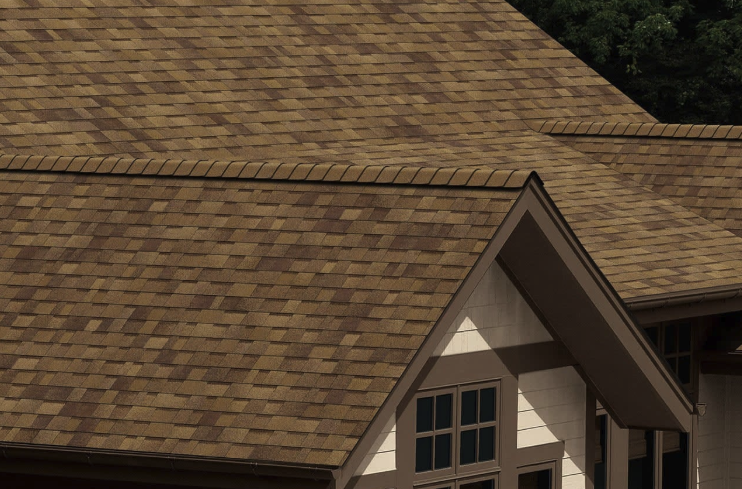
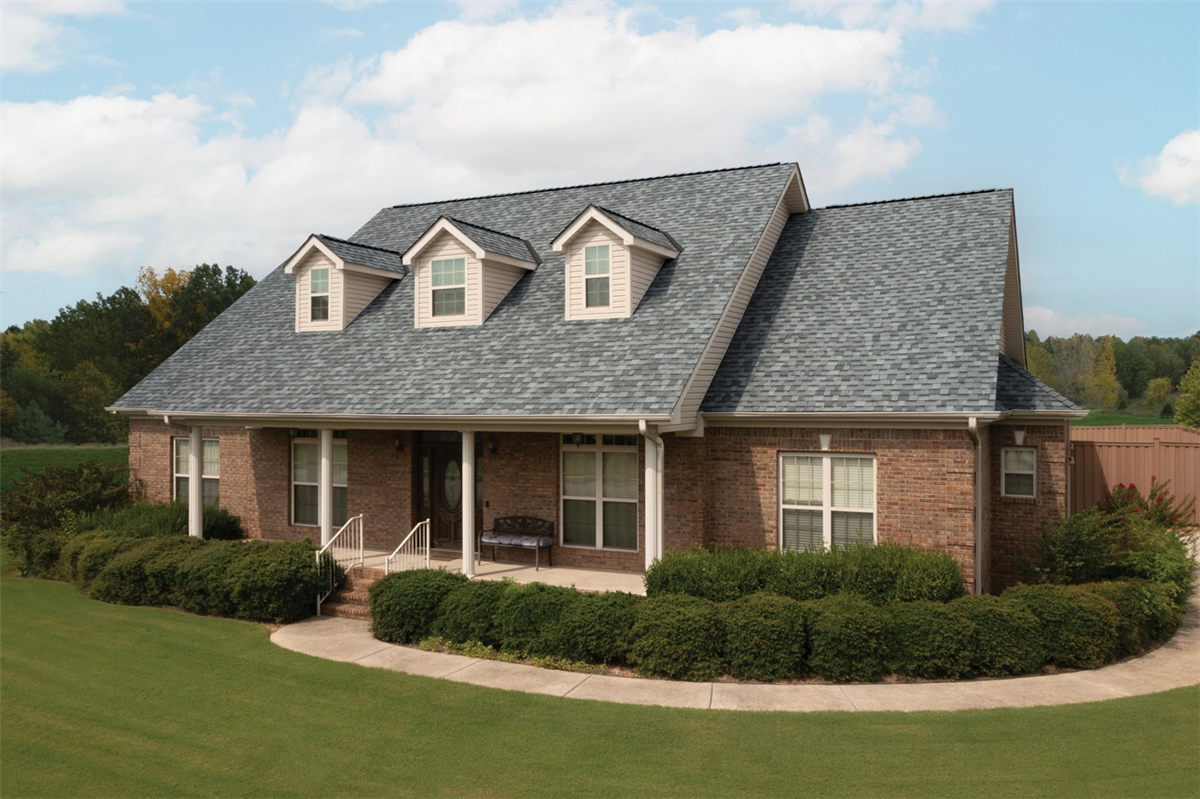
They can be. Many modern asphalt shingle systems achieve a Class A roof classification when installed as part of an approved roof assembly, and Austin's current WUI requirements specifically call for Class A-rated roof coverings across Proximity Zones A, B, and C. The answer isn't simply "asphalt is combustible, so it can't be Class A" — the fire classification depends on the tested roof system and its components working together, not the base material alone.
What About Metal Roofing?
Metal roofing is commonly associated with strong fire performance and can be part of a Class A roof assembly. But once again, don't assume "metal" automatically equals Class A for every configuration — the exact product, underlayment, roof deck, installation method, and tested assembly all matter. For a WUI project, the safest approach is verifying the complete assembly against the applicable code rather than relying on the material name alone.
Is Fiber Cement Class A?
Fiber cement is one of the most useful exterior materials for fire-resistant construction. Fiber cement products can be noncombustible or achieve strong fire-performance classifications depending on the specific product and testing behind it. Austin's WUI Approved Materials List includes fiber cement products with their specific fire-performance information, and the city notes that fiber cement boards, stucco, aluminum, and other materials can be used in appropriate WUI applications — which is one reason James Hardie fiber cement siding is such an attractive option for homeowners concerned about wildfire and ember exposure.
But don't take the shortcut of assuming all fiber cement is automatically WUI compliant. It isn't that simple — the City of Austin specifically warns that products commonly marketed as "WUI compliant" may not actually meet the city's requirements, and recommends verifying products before use.
What About Stucco?
Stucco is another exterior material commonly associated with fire-resistant construction. Because it's cement-based and noncombustible, it can be an excellent choice for certain fire-resistant exterior wall applications. But just like fiber cement, the complete wall system matters — the substrate, framing, penetrations, joints, backing, and installation details can all affect how the assembly actually performs. Stucco on a wall doesn't automatically mean the entire wall is fire-rated; the actual construction needs to meet the applicable code.
What About Brick and Masonry?
Masonry products like brick, concrete, and stone are generally excellent performers from a fire-resistance standpoint because they're noncombustible. But there's an important distinction between a noncombustible material and a fire-rated assembly — a brick veneer wall isn't automatically equivalent to a one-hour fire-rated wall simply because brick itself doesn't burn. The complete wall assembly and its tested construction determine the actual rating.
What About Wood?
Wood is combustible, but that doesn't mean all wood is automatically prohibited in WUI construction. Austin's 2024 WUI code includes specific provisions for heavy timber and certain fire-retardant-treated wood products, and the city's approved-materials documentation identifies specific fire-retardant-treated wood products that meet particular testing requirements. "Wood" alone isn't a sufficient description — you need to know the species, the treatment, the specific product, the testing behind it, where it's being used, and what the applicable WUI zone actually allows.
The Difference Between "Fire Resistant" and "Fire Rated"
This is where homeowners should be especially careful. A manufacturer or contractor might describe a product as fire resistant, fire safe, wildfire resistant, ember resistant, ignition resistant, or "WUI friendly." Those phrases can communicate useful information, but they aren't interchangeable with a specific code-required rating. Austin's own Approved Materials List makes this point clearly: materials must be verified for acceptance, and products commonly labeled "WUI compliant" may not adhere to the city's requirements. If a contractor tells you a material is compliant, ask them to show you why — manufacturer, product, model, testing, rating, and approved application.
What Is Ignition-Resistant Construction?
Ignition resistance matters especially in wildfire-prone areas because embers are one of the primary ways wildfire ignites structures — often well before flames ever reach a home directly. Austin's WUI requirements address far more than visible siding, extending to exterior walls, roofs, soffits, fascia, exterior ceilings, gutters, windows, doors, vents, decks, pergolas, fences, and underfloor areas depending on the proximity zone. In Zone A, for example, Austin requires ignition-resistant or otherwise approved exterior wall materials, Class A roof coverings, protected vents, and ignition-resistant materials across several exterior components. Wildfire protection isn't "put Hardie siding on the house" — it's a full system.
Why the Roof Matters So Much
The roof is one of the most important components of a home's wildfire defense. Austin requires a Class A roof assembly across its WUI zones, and the city's guidance emphasizes that the roof covering alone isn't enough — the complete assembly has to satisfy the fire-performance requirement. Roof valleys specifically require metal flashing over approved underlayment, or a properly woven valley configuration, and eaves, vents, and skylights each receive their own specific attention under the code. That's exactly why a roofing project in a WUI zone should be evaluated differently from a standard roof replacement.
What About Soffits and Fascia?
These areas are easy to overlook, but they're vulnerable because embers can collect around roof edges and potentially enter or ignite combustible materials there. Austin's WUI guidance points to fiber cement, stucco, or metal for soffits and exterior ceilings across all three zones, with fascia backed by continuous 2x lumber and specific ignition-resistant material requirements. For a homeowner replacing siding, this means the project may involve more than just the wall siding itself — the soffit, fascia, trim, and roof-edge details all need to be considered together as one system.
Are Decks Required to Be Fire Resistant?
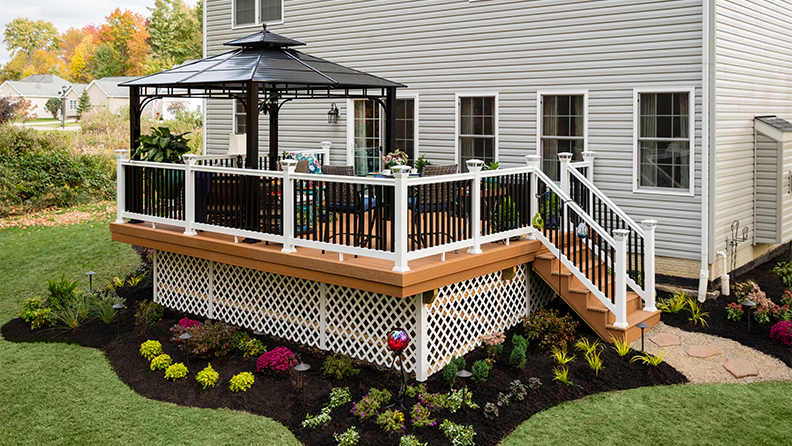
In certain WUI locations, yes. Austin's current code includes specific requirements for decks, patios, pergolas, and other accessory structures, with the required materials and proximity to the home varying by zone — Zone A requires ignition-resistant materials for unenclosed appendages regardless of distance from the building, Zone B applies within 30 feet, and Zone C applies within 10 feet. That's particularly relevant for homeowners planning a deck replacement, new deck, patio cover, pergola, outdoor kitchen, or porch renovation — a material that works perfectly well for a conventional deck may not meet the requirements for a specific WUI location.
Don't Trust a Product Label Alone
If you're building or remodeling in Austin's WUI, ask for documentation. The City of Austin states that its Approved Materials List isn't all-inclusive, but it provides reviewed products that meet the objectives of the 2024 WUI Code, and the city recommends verifying specific products before use. For any proposed product, look for the chain from manufacturer to product to model to testing to rating to approved application — that's far more meaningful than simply seeing the words "fire resistant" on a label.
What Austin Homeowners Should Ask Their Contractor
Before approving an exterior remodeling project in a WUI area, it's worth asking a few direct questions: what WUI zone is my property actually in, since requirements change based on proximity to wildland and the city provides an interactive map to check; what fire rating does this product actually have, backed by manufacturer documentation rather than a sales description; is the rating for the product alone or the entire assembly, which matters enormously for roofing; is this product specifically approved for my WUI application, since a product can have excellent fire performance and still not be the right fit for a given code requirement; and what happens at the transitions — roof-to-wall connections, soffits, fascia, vents, windows, doors, decks, penetrations, and gaps — since wildfire protection is about the whole exterior, not one product in isolation.
Class A Doesn't Mean "Fireproof"
This might be the most important takeaway. Class A is a rating, not a guarantee that a product cannot burn. Likewise, "fire resistant," "ignition resistant," "noncombustible," and "WUI compliant" aren't necessarily synonyms — they describe different characteristics, testing standards, and code concepts. For Austin homeowners, the right question isn't "is this material fire resistant?" It's "does this specific product and installation meet the fire-performance requirements that actually apply to my property?" That's a far more useful question to bring to a contractor.
How JP Exteriors Approaches WUI Projects
If your Austin-area home is in a WUI zone, exterior remodeling requires more planning than simply picking a siding color or shingle. At JP Exteriors, we work with homeowners on exterior projects including James Hardie siding, roofing, windows, doors, decks, patio covers, pergolas, and other outdoor living improvements. For projects subject to Austin's WUI requirements, our goal is helping homeowners understand the applicable requirements and select appropriate exterior products — not simply relying on marketing terms like "fire resistant."
Austin's 2024 WUI Code took effect for applicable submissions on July 10, 2025, so if you're planning a new project, make sure you're working from the current requirements rather than older WUI information you might find online.
Frequently Asked Questions
Does a Class A shingle automatically mean I have a Class A roof?
Not necessarily. A Class A roof assembly requires the roof covering, deck, and underlayment/insulation to work together and meet the rating as tested — the shingle alone isn't the full picture.
Is fiber cement siding automatically WUI compliant in Austin?
No. While fiber cement is commonly used in fire-resistant construction and appears on Austin's Approved Materials List, specific products still need to be verified against the city's current requirements rather than assumed compliant based on material type alone.
Can I use wood on my home if I'm in a WUI zone?
Sometimes, depending on the species, treatment, product, and location. Austin's code includes provisions for heavy timber and certain fire-retardant-treated wood products, but "wood" alone isn't a sufficient specification — the exact product and its testing matter.
What's the difference between "fire resistant" and "Class A rated"?
"Fire resistant" is a general marketing term without a fixed definition, while "Class A" refers to a specific tested classification under a standardized method like ASTM E84/UL 723. Always ask for the actual rating and testing documentation.
Do soffits and fascia need to be fire-rated too, or just the roof and siding?
Yes, soffits and fascia are specifically addressed in Austin's WUI code across all zones, since embers commonly collect at roof edges. Fiber cement, stucco, and metal are common approved options.
Are metal roofs always Class A in a WUI zone?
Not automatically. Metal roofing is commonly part of Class A assemblies, but the exact product, underlayment, and installation method all need to be verified as part of a tested assembly rather than assumed compliant based on the material alone.
Does my deck need to meet the same fire requirements as my house?
It depends on your proximity zone and how close the deck is to the building. Requirements vary — Zone A applies broadly to unenclosed appendages, while Zone B and C requirements are based on specific distances from the structure.
Where can I find Austin's list of approved WUI materials?
Austin Fire maintains a WUI Approved Materials List, though the city notes it isn't all-inclusive. It's a helpful starting point, but specific products should still be verified for your exact application.
Is a fire-rated door the same as an ignition-resistant door?
Not necessarily interchangeable terms — Austin's WUI code specifies particular requirements for exterior doors, including noncombustible, thick solid-core wood, or 20-minute fire-rated options, along with specific glazing requirements.
Do I need to upgrade my whole house if only part of my property is in a WUI zone?
Generally, existing buildings aren't required to be retroactively upgraded simply because they're in a WUI zone. Specific projects, alterations, or repairs can trigger applicable requirements, so it depends on the scope of the work you're planning.
Get Started With a Free Consultation
If you're planning a roof replacement, James Hardie siding replacement, deck replacement, patio cover, pergola, or other exterior renovation in Austin, we can help you understand what materials and project requirements may apply.
Remember: When you refer a friend or neighbor for windows, siding, roofing, or door replacement, you can earn up to $250 through the JP Exteriors Referral Program.
Subscribe to JP Exteriors's Blog

Comments