After a major hailstorm, roofing companies can appear almost overnight. Trucks show up in the neighborhood, contractors knock on doors, temporary signs go up in yards, and companies offer free roof inspections. Some are established local contractors. Others travel from one storm market to the next. Neither description alone tells you whether a contractor will do quality work — the bigger question is whether the company will still be accountable after the storm work is finished.
A roof replacement isn't a one-day transaction. Your contractor may be responsible for workmanship, warranty issues, permit requirements, inspections, and repairs long after the last shingle goes on. So before signing a post-hail contract, investigate the company — not just the roof estimate.
What Is a "Storm Chaser"?
"Storm chaser" is generally the term homeowners use for contractors who travel into areas after major storms to pursue repair and replacement work. Traveling isn't inherently bad — a legitimate contractor may travel to another market because of demand, and an established company may genuinely have offices or crews in several cities. The real concern is what happens once the storm-related work dries up. If a company has no established local presence, homeowners can have a much harder time finding them later if a leak develops, a workmanship problem shows up, a permit issue needs resolving, a warranty claim needs filing, or the insurance company requests more documentation.
That's why "are you a storm chaser?" usually isn't the most useful question to ask. It's more productive to ask specific, verifiable things instead.
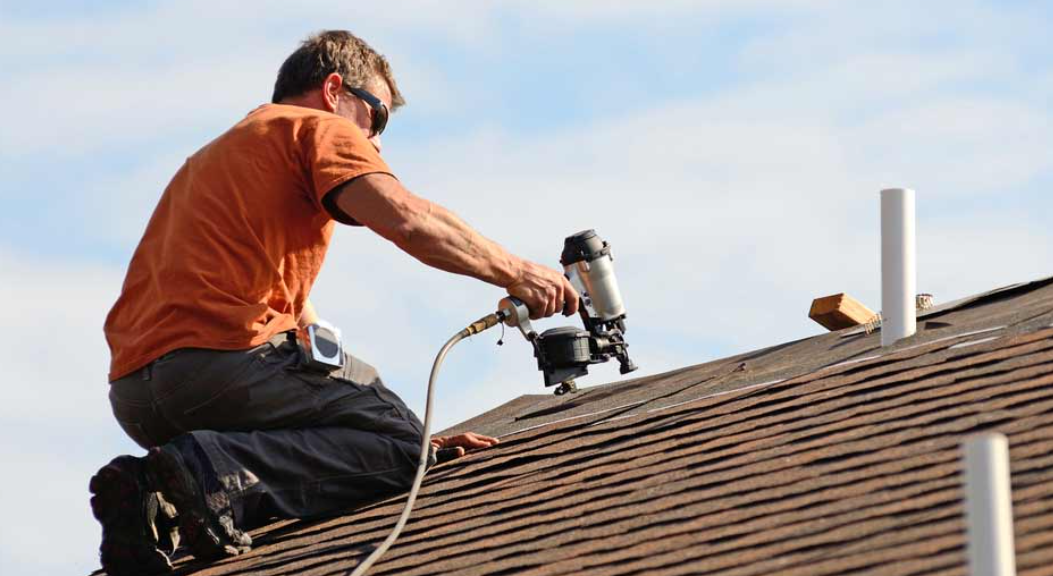
Start With the Contractor's Address
A local-looking phone number isn't proof a company is local. Neither is a truck with a Texas license plate. Ask for the company's actual physical business address, then independently verify it — look for an established office rather than relying on a temporary storm office, a mailbox, a residential address, a virtual office, a website contact form, or a salesperson's personal cell number. The Texas Department of Insurance recommends checking a contractor's business information, getting references, and verifying insurance before hiring.
Worth asking directly: where is your office, how long have you operated from that address, can customers actually visit, who handles warranty service from that location, and do you have employees or crews regularly working in this area? None of those answers guarantee quality work, but together they tell you whether there's a real organization behind the salesperson standing at your door.
Look at the Company's History Before the Storm
One of the easiest ways to investigate a storm contractor is to look backward rather than forward. Don't just look at reviews from the last few months — look for evidence the company was actually serving your community before the hailstorm happened. Check older Google reviews, previous project photos, local project pages, business listings, social media history, community involvement, older customer references, and how long the business has operated in the area overall. A company with hundreds of recent reviews isn't necessarily more established than one with fewer — a storm can generate a huge volume of business very quickly. What actually matters is whether the contractor has a history that predates the storm itself.
Verify Who Pulls the Permit
This is a question homeowners sometimes overlook entirely. Don't assume the answer is simply "the city" — ask the contractor directly who applies for the permit, who's listed on it, who schedules inspections, who's responsible for correcting any inspection issues, and whether the permit actually gets closed once the work is complete. This matters because permitting creates a real record of the work and gives you another way to determine who's actually responsible for the project. Don't accept "don't worry, we do these all the time" as an answer — ask instead, "can you show me how the permit will be handled on my specific project?"
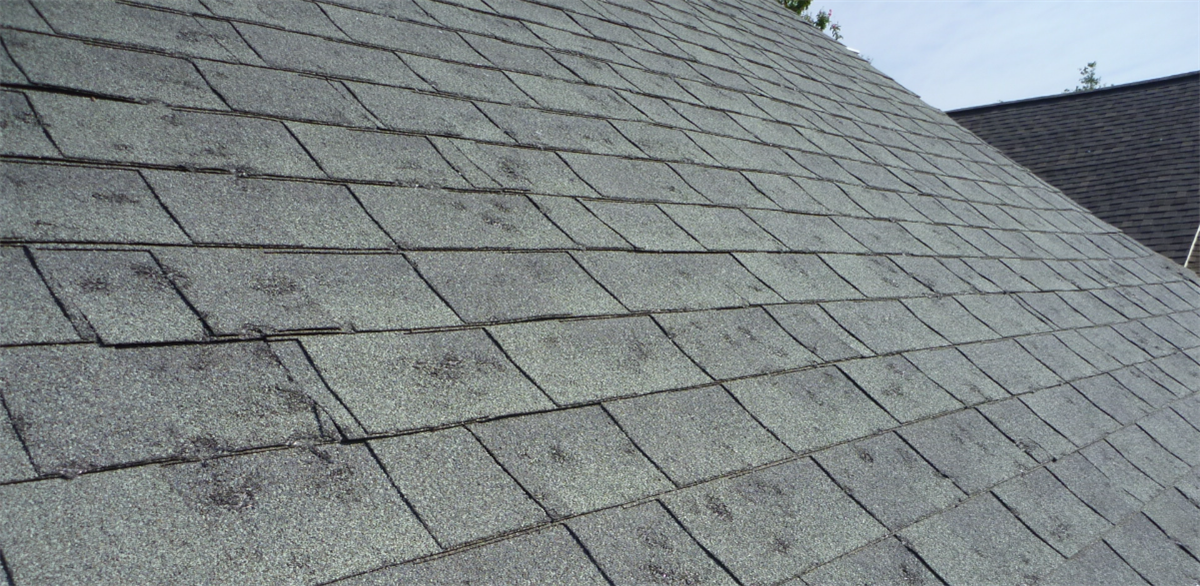
Don't Confuse an Insurance Estimate With a Building Permit
These are completely different things. Your insurance company's estimate concerns the insurance claim. A building permit concerns construction and code compliance. One doesn't replace the other. A contractor telling you "insurance approved your roof" doesn't answer the separate question of whether the project requires a permit and who's responsible for obtaining it.
Ask What Happens to the Warranty After They Leave Town
This might be the single most important question in the entire process. Don't just ask "do you offer a warranty?" Ask specifically, "who handles my warranty if I have a problem after your storm crews leave?" — then get that answer in writing. There are typically two different warranties involved in a roofing project: a manufacturer warranty, which generally concerns the roofing materials and comes from the manufacturer subject to its own terms, and a contractor workmanship warranty, which concerns the installation itself. These aren't interchangeable. A manufacturer warranty doesn't automatically mean the contractor will come back to fix an installation problem, and a workmanship warranty doesn't automatically replace the manufacturer's material coverage.
Read the Workmanship Warranty Before Signing
A warranty is only useful if you actually understand its terms. Look at the length of coverage, what workmanship problems are covered and what isn't, how to submit a claim, who receives it, whether the warranty is transferable, whether there are geographic limitations, and what happens if the company closes or stops serving your area. Be especially careful with vague phrases like "lifetime workmanship warranty" — lifetime of what? The homeowner? The roof? The company itself? What happens if the contractor stops operating nearby? The actual written warranty document matters far more than the phrase used during the sales presentation.
Manufacturer Warranty Doesn't Mean "Everything Is Covered"
Roofing manufacturers set their own warranty terms, requirements, and exclusions, and coverage can depend on the specific product, installation requirements, registration, and contractor qualifications. That's why you should get the actual warranty documentation rather than relying on "you're covered by the manufacturer" as a blanket assurance. Ask what product is actually being installed, what manufacturer warranty applies to it, what it covers, what the contractor's separate workmanship warranty covers, and who you'd contact for service. Those specific questions separate a real warranty conversation from a sales pitch.
Ask Who Will Actually Install Your Roof
The person knocking on your door may not be the person installing your roof. Ask who's actually performing the work, whether they're employees or subcontractors, who supervises the crew, who inspects the finished installation, and who's responsible if the crew damages something along the way. This isn't necessarily about whether subcontractors are good or bad — plenty of reputable contractors use them. What matters is who remains responsible for the finished project once the crew leaves.
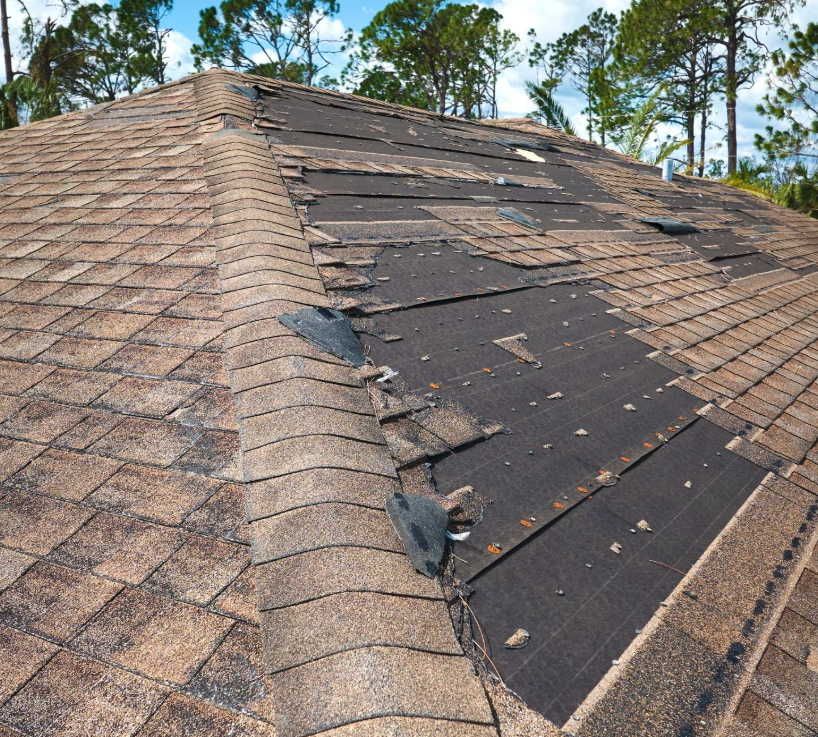
Verify Insurance
Before letting a contractor's crew onto your property, ask for proof of insurance. The Texas Department of Insurance recommends obtaining and verifying a contractor's certificate of insurance directly. Don't be afraid to say, "I'd like to verify your insurance before we sign" — a professional contractor should have no issue with that request.
Watch Out for the Deductible Promise
If a contractor tells you "we'll cover your deductible," that's a major warning sign. Texas law prohibits contractors from offering to waive, rebate, or absorb a property insurance deductible, and the Texas Department of Insurance specifically warns homeowners about contractors offering these arrangements. Your deductible is your responsibility — a contractor shouldn't be building a discount structure designed to make it look like you don't have one.
Be Careful With Insurance Promises Generally
Another common post-storm sales tactic is promising homeowners exactly what their insurance company will do. Be cautious of statements like "insurance will definitely pay for this," "we'll get your whole roof approved," "we'll negotiate with your insurance company," "don't worry about what the adjuster says," or "we'll handle your entire claim." A contractor can inspect the property, document damage, explain construction issues, and provide an estimate — but insurance coverage is ultimately determined under your policy by the insurer. Texas also places restrictions on contractors acting as public insurance adjusters while performing or offering to perform the actual repair work.
Never Sign a Blank or Unfinished Contract
Storm damage creates real urgency, but that doesn't mean paperwork needs to be signed immediately. Read the complete contract and look for the contractor's legal business name, address, phone number, scope of work, materials, payment terms, warranty information, change-order procedures, cancellation provisions, and permit responsibilities. The Texas Department of Insurance specifically warns homeowners about signing documents without understanding their contents. If someone tells you "it's just authorization for the inspection," read it anyway — and never sign a document with blank spaces still on it.
Compare the Scope, Not Just the Price
A storm-chasing contractor might quote a very low number. Another contractor might come in substantially higher. That doesn't automatically mean either one is overcharging — what matters is comparing what's actually included. Does the estimate address tear-off, underlayment, starter shingles, shingles, ridge caps, drip edge, flashing, pipe boots, ventilation, decking, gutters, cleanup, permits, labor, and warranty coverage? Two estimates aren't really comparable if one includes significantly more scope than the other.
Ask What Happens When Hidden Damage Is Found
A roof replacement can reveal conditions that weren't visible during the initial inspection — decking damage underneath the existing shingles is a common example. Before signing, ask what happens if damaged decking is found after tear-off. You want to understand how the additional work is priced, whether you approve it before it proceeds, how change orders are documented, whether the contractor photographs the damage, and how any additional work is handled with insurance if applicable. The goal isn't to prevent every possible surprise on a project — it's to prevent surprises from turning into unexpected bills.
Search for the Contractor After the Storm
Here's a simple test: search the company's name alongside terms like "complaints," "warranty," "Austin," "lawsuit," "BBB," and "reviews." Don't treat every single negative review as proof of wrongdoing — look for patterns instead. One unhappy customer can happen to any contractor. Repeated complaints about disappearing after installation, unfinished work, warranty problems, or aggressive sales practices deserve real attention.
What a Local Contractor Should Be Able to Tell You
Before signing a hail-damage contract, you should be able to get clear, specific answers about where their office is, how long they've served the area, who pulls the permit, who performs inspections, who actually installs the roof, what warranty you receive and who handles claims on it, where warranty service is actually handled from, what happens if decking is damaged, what the payment schedule is, and — critically — that the answer to "will you waive my deductible" is no, and that any promise to negotiate your insurance settlement is treated with real caution. If a contractor can't answer these basic questions before you sign, you shouldn't feel pressured to move forward anyway.
The Real Test Happens Two Years Later
A storm-chasing contractor can look impressive on day one — new trucks, professional uniforms, a polished website, a great sales presentation. But homeowners don't really find out how accountable a contractor is until something goes wrong: a leak develops, a flashing detail fails, a warranty question comes up, a permit was never closed, or a manufacturer needs documentation you don't have. That's when the difference between a temporary storm operation and an established contractor becomes very apparent. The best contractor isn't necessarily the one who showed up first. It's the one you can still find when you actually need them.
Frequently Asked Questions
What is a storm chaser in roofing?
A storm chaser is generally a contractor who travels to areas affected by major storms to pursue repair and replacement work. Traveling contractors aren't automatically dishonest, but homeowners should verify their business history and ability to provide long-term service.
How can I tell if a roofing contractor is actually local?
Check for a verifiable physical business address, a history of projects in the area before the latest storm, older reviews, local references, and an established service department.
Does a local phone number mean a contractor is local?
No. A local phone number alone doesn't establish that a company maintains a local office or has an established history in the community.
Why does the contractor's physical address matter?
A physical address gives homeowners another way to verify that an established business exists behind the salesperson, and it can provide a place to contact the company if problems arise later.
Should I ask the contractor who is responsible for the permit?
Yes. Ask whether your project requires a permit, who obtains it, who schedules inspections, and who is responsible for resolving any inspection issues.
Can a roofing contractor leave town after completing my roof?
A contractor can change its service area or stop operating in a particular market. That's why understanding the warranty terms and service process before signing matters so much.
Is a lifetime workmanship warranty really lifetime?
Not necessarily in the way homeowners might assume. "Lifetime" warranties can have specific definitions, exclusions, and conditions — read the actual written warranty to understand what's covered and for how long.
What's the difference between a manufacturer warranty and a workmanship warranty?
A manufacturer warranty generally covers specified defects or performance issues with the roofing materials, under the manufacturer's own terms. A workmanship warranty concerns the contractor's installation. They're separate forms of protection.
What happens if my roof develops a leak after the contractor leaves town?
Contact the contractor using the warranty procedure spelled out in your contract, which is exactly why it's important to know who handles warranty service, where they're located, and how claims are submitted before you sign anything.
Can a roofing contractor waive my insurance deductible?
No. Texas law prohibits contractors from offering to waive, rebate, or absorb a property insurance deductible.
Can a contractor guarantee that insurance will approve my roof replacement?
No contractor can guarantee what an insurance company will cover under your policy. A contractor can document damage and provide a construction estimate, but coverage decisions belong to the insurer.
Should I get multiple roofing estimates after hail?
Yes. Comparing multiple written estimates helps you understand differences in scope, materials, warranties, and pricing. The Texas Department of Insurance recommends getting more than one bid.
The Bottom Line
A hailstorm creates enough pressure on its own — your contractor shouldn't add more. You don't need to choose the first company that knocks on your door, and you don't need to assume every contractor who travels after a storm is dishonest. Instead, verify the things that actually matter: the address, the insurance, the permit responsibilities. Read the contract. Understand the warranties. Find out who will handle service after the crews leave. And remember that a manufacturer's warranty and a contractor's workmanship warranty are two genuinely different things.
The most important question may be the simplest one: if I have a problem with this roof two years from now, who exactly do I call? If the answer isn't clear before you sign, that's a good reason to slow down.
Planning a Roof Replacement After Hail?
A storm can create a legitimate need for repairs without creating a need to rush your contractor decision. JP Exteriors serves homeowners throughout Central Texas and can inspect the exterior, document what we find, explain the repair or replacement options, and provide a written proposal.
Remember: When you refer a friend or neighbor for windows, siding, roofing, or door replacement, you can earn up to $250 through the JP Exteriors Referral Program.
Subscribe to JP Exteriors's Blog




Comments