Replacing your windows sounds simple until a contractor asks one important question: are you replacing just the window, or the entire window opening? For a lot of Austin homeowners, an insert or retrofit replacement is a perfectly good solution — faster, less invasive, and more affordable, while still delivering better glass, improved efficiency, and a fresh look. But an insert isn't always the right answer. If the existing frame is damaged, the sill is rotted, or the opening actually needs to be rebuilt, putting a new window inside the old frame can mean leaving the underlying problem exactly where it was. Here's how to tell the difference.
What Is an Insert or Retrofit Window Replacement?
With an insert replacement, the existing window frame generally stays in place — the old operating portion is removed, and the new window is installed within that existing frame. This approach makes sense when the frame is structurally sound, free of significant rot, properly flashed, correctly sized and positioned, and compatible with the new window. The major advantage is that less of the surrounding wall gets disturbed. For homeowners with older but structurally sound window openings, an insert can be an honest, practical way to upgrade the glass and hardware without rebuilding the entire opening.
What Is a Full-Frame Window Replacement?
A full-frame replacement removes the existing window and frame down to the rough opening, giving the installer direct access to the sill, jambs, head, flashing, sheathing, framing, and insulation and air-sealing areas. A new window and frame are then installed into that opening. It's more invasive than an insert, but it also gives the contractor a real look at what's actually happening behind the existing window — and sometimes that's exactly what's needed.
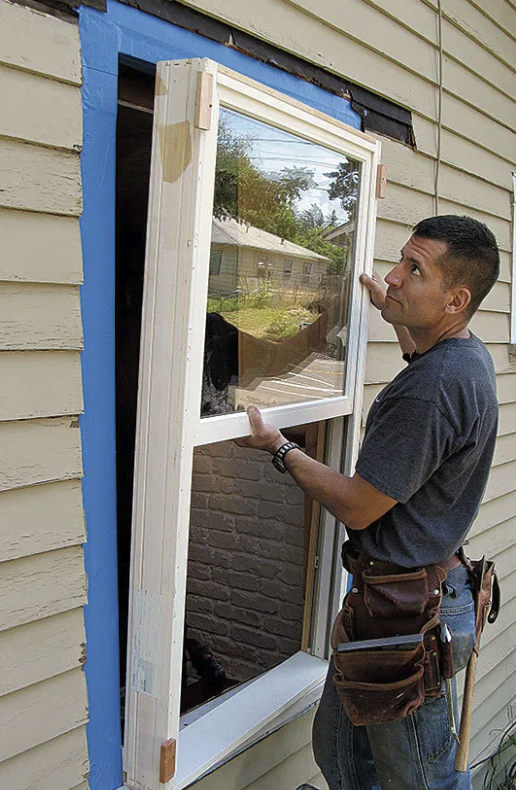
When an Insert Replacement Makes Sense
A retrofit isn't automatically a shortcut — there are plenty of situations where it's genuinely the right call. If the existing frame is solid, square, properly installed, and free of water damage, there's no real reason to tear everything out just to replace the glass and operating hardware. Insert replacement also means less interior and exterior disruption, since much of the existing frame and surrounding finish stays intact, and it can help control project cost since you're not paying for the labor and finishing work involved in rebuilding the opening from scratch. If the existing opening is already performing well — no water intrusion, no air leakage, no structural issues or deterioration around the frame — an insert is a reasonable solution. The key is that the existing frame has to earn the right to stay.
When a Retrofit Can Become a Shortcut
This is where homeowners need to pay closer attention. An insert can look great from inside the house while leaving real problems around the existing frame completely untouched — that doesn't mean every retrofit is a bad idea, it just means the condition of the existing opening is what actually matters.
The sill is rotten. This is one of the biggest red flags. If water has been getting behind the window for years, the damage may not stop at the visible frame — it can extend into the sill, jambs, wood framing, sheathing, and exterior trim. Putting a new window into a deteriorated opening doesn't solve the source of the problem; if the sill is compromised, that's a strong reason to look seriously at a full-frame replacement instead.
There's evidence of water intrusion. Stained interior trim, soft wood, peeling paint, bubbling finishes, mold or mildew, discolored drywall, repeated water stains, or deteriorated exterior trim don't automatically mean you need a full-frame replacement, but they should trigger a closer inspection before anyone decides to leave the existing frame in place.
The existing frame is out of square. Older homes shift over time, and if the opening is significantly out of square or the frame has moved, installing a new window inside that existing frame can limit how well the new unit actually operates. A full-frame replacement gives the installer a chance to correct the opening itself, not just work around it.
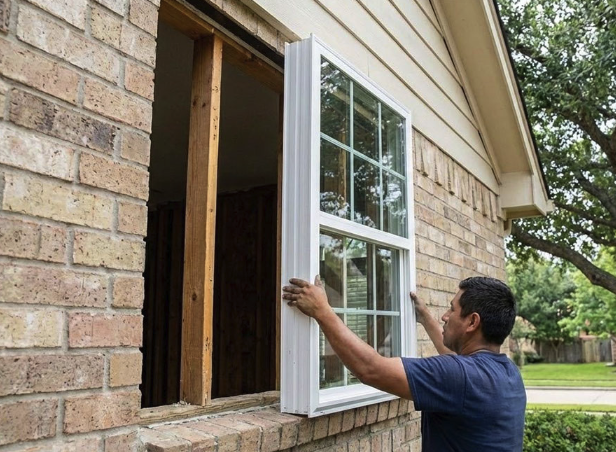
There's Another Tradeoff: Glass Area
This is one homeowners don't always think about. A retrofit window generally has to fit inside the existing frame, which can mean less glass area than a full-frame replacement would provide. Depending on the existing configuration, that difference can affect natural light, exterior appearance, sightlines, and ventilation. A full-frame replacement can sometimes deliver a cleaner opening and more glass overall, though the actual result depends on the home's construction and the specific replacement window chosen. If maximizing glass and minimizing a bulky frame look matters to you, it's worth comparing both approaches side by side.
Installation Access Matters Too
The best window on the market won't perform well if the installation itself is compromised. A full-frame replacement gives access to areas that can be difficult or impossible to inspect during an insert installation — which matters a lot in older homes, homes with previous window replacements, multiple layers of trim, existing water damage, poor flashing, deteriorated sheathing, or unusual window configurations. Sometimes the real question isn't "which window should I buy" — it's "what condition is this opening actually in, and what does the installer need access to in order to do the job right?"
Insert vs. Full-Frame: A Quick Comparison
Insert / Retrofit | Full-Frame | |
|---|---|---|
Existing frame | Stays | Removed |
Installation disruption | Generally lower | Generally higher |
Cost | Often lower | Often higher |
Access to framing | Limited | Much better |
Rotten sill | Can be a problem | Can be addressed |
Water damage investigation | Limited | Better access |
Potential glass area | May be reduced | Potentially greater |
Best for | Sound existing frames | Damaged or problematic openings |
Neither method is automatically better — the right choice depends entirely on the actual condition of your home.
So How Do You Know Which One You Need?
Start with the existing window, not the sales pitch. A good window replacement consultation should include a real evaluation of the existing opening. Worth asking: is the existing frame structurally sound, is there any evidence of water intrusion, is the sill free of rot, is the opening square and properly flashed, how much glass area would I lose with an insert, what would you expect to find if the entire frame were removed, and what happens if damage turns up after the window comes out? A contractor recommending an insert should be able to explain why the existing frame is suitable for reuse. A contractor recommending full-frame should be able to explain what condition or design issue actually makes it necessary. Neither answer should come down to which option produces the bigger contract.
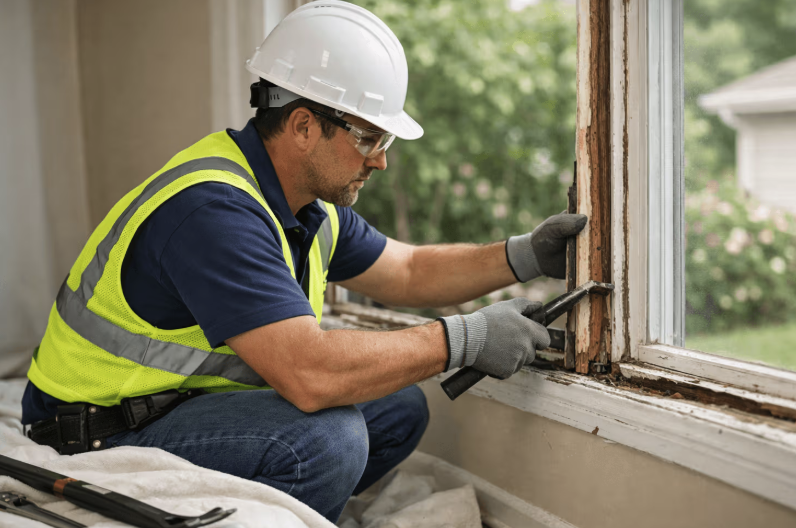
The Cheapest Window Replacement Isn't Always the Cheapest Project
This is where homeowners can run into trouble. A retrofit often has a lower initial price because you're preserving more of the existing installation — but if that existing frame has hidden water damage, you're potentially preserving the problem right along with it. On the flip side, removing a perfectly good frame just because "full-frame is better" can create unnecessary labor and expense. The goal isn't to sell the most invasive installation possible — it's to use the method that actually fits the condition of the home.
What JP Exteriors Looks At During a Window Replacement
At JP Exteriors, we work with homeowners throughout Austin and Central Texas to evaluate their existing windows and figure out which replacement approach actually makes sense — looking at the existing frame, the condition of the opening, any signs of water intrusion, the window configuration, desired glass area, and the type of replacement window being considered. We install a range of products, including Pella, Andersen, Simonton, and other options, depending on the project and what matters most to the homeowner. The goal isn't simply to replace an old window — it's to make sure the window, frame, and opening all work together as one complete installation.
Frequently Asked Questions
Is an insert window replacement a lower-quality option?
Not inherently. When the existing frame is sound, free of water damage, and properly flashed, an insert can be just as effective as a full-frame replacement, with less disruption and often a lower cost.
How do I know if my window frame has hidden water damage?
Look for stained interior trim, soft or spongy wood, peeling paint, bubbling finishes, mold or mildew, discolored drywall, or deteriorated exterior trim. Any of these warrant a closer inspection before deciding on an insert.
Does a full-frame replacement always mean more glass?
Often, but not always — the actual glass area depends on your home's construction and the specific replacement window chosen. It's worth comparing both options directly for your situation.
Is full-frame replacement always more expensive?
Usually, yes, since it involves more labor and finishing work. But if the existing frame is compromised, the added cost can prevent a bigger, more expensive problem down the road.
Can a contractor tell which option I need without removing the window?
A qualified contractor can spot warning signs during an inspection — rot, water staining, an out-of-square frame — but the full condition of the opening often isn't confirmed until the window is actually removed.
How do I know if my existing window frame can be reused?
A window frame may be suitable for reuse if it is structurally sound, square, properly flashed, and free of significant rot, water damage, or deterioration.
Does full-frame window replacement cost more than an insert replacement?
Generally, yes. Full-frame replacement involves removing the existing frame and provides more access to the rough opening, which can increase labor and finishing costs.
Will I lose glass area with an insert window replacement?
Potentially. Because an insert window is installed within the existing frame, the new window may have a smaller glass area than a full-frame replacement.
Can rotted window sills be repaired during window replacement?
Yes. If rot or water damage is discovered, the affected materials may need to be repaired or replaced before the new window is installed.
Is a full-frame window replacement better for older Austin homes?
Not necessarily, but older homes may benefit from a full-frame evaluation because existing windows can have outdated flashing, deteriorated framing, or hidden water damage.
Final Takeaway
An insert window replacement isn't inherently a shortcut. When the existing frame is sound, a retrofit can be an efficient, cost-effective way to upgrade your windows. But when you're dealing with rotted sills, water intrusion, deteriorated framing, poor prior installation, or a real desire for more glass, a full-frame replacement may be the better long-term solution. The important thing is knowing what you're keeping before you decide what you're replacing.
Considering Window Replacement in Austin?
JP Exteriors offers free window replacement consultations throughout Austin and Central Texas. We can evaluate your existing windows, walk through insert vs. full-frame options, compare products, and provide a project-specific estimate.
Remember: When you refer a friend or neighbor for windows, siding, roofing, or door replacement, you can earn up to $250 through the JP Exteriors Referral Program.
Subscribe to JP Exteriors's Blog






Comments