When you're replacing siding in Austin, one of the biggest decisions isn't just which siding material to choose — it's also how you want that siding finished. With James Hardie fiber cement siding, homeowners generally have two paths: choose ColorPlus® Technology, which is factory-applied, or install primed siding and have it painted in the field after installation. Both can produce a great-looking exterior on day one. But they aren't the same finish, and the difference becomes a lot more interesting once you stop looking at the house on installation day and start asking what it'll look like five, seven, or ten years from now.
What Is James Hardie ColorPlus?
ColorPlus® Technology is a factory-applied finish baked onto James Hardie fiber cement products under controlled manufacturing conditions. Rather than bringing a painter to the jobsite after installation, the siding arrives already finished in the selected color. James Hardie describes it as a multi-step coating and curing process built to improve color consistency, adhesion, durability, and fade resistance — with a factory-applied primer, two pigmented topcoats, and a UV-resistant clear topcoat on select colors, cured at temperatures a field-applied paint simply can't replicate.
That distinction matters a lot in Texas, because your siding isn't sitting in a controlled factory once it's installed — it's outside dealing with 100°F+ summer temperatures, intense UV exposure, rapid temperature swings, heavy rain, hail, humidity, dust, pollen, and long stretches of direct sunlight. The finish has to live through all of that, and where and how it was originally applied has a real effect on how well it holds up.
What Is Field-Painted Fiber Cement?
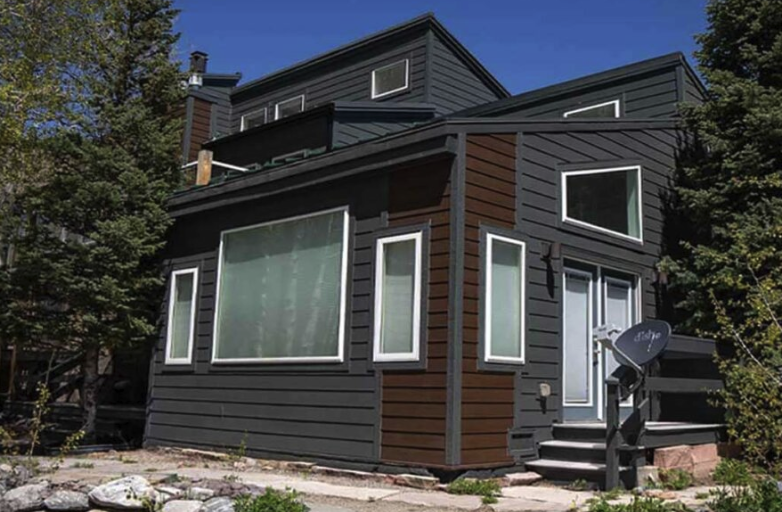
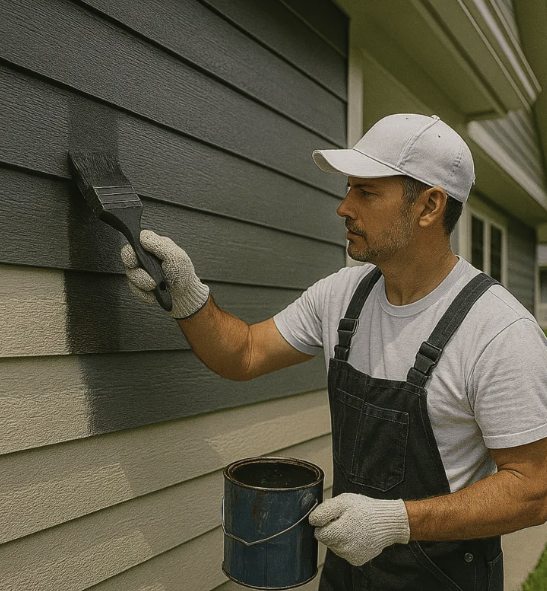
Field-painted fiber cement starts with the same basic idea — install the fiber cement siding, then apply exterior paint at the jobsite. This approach has real advantages: you get virtually unlimited color choices rather than being limited to the ColorPlus palette, you can change colors down the road if your taste shifts, and your painter has full control over the finish. That last point is also where the comparison gets interesting, because the quality of the final result depends heavily on preparation, paint quality, application technique, weather conditions during application, and the skill of the painter — variables that simply don't exist the same way with a factory-applied finish.
Why Texas Sun Matters So Much Here
UV exposure is one of the biggest enemies of any exterior finish. Two houses can have identical siding and age very differently depending on orientation — a north-facing wall may spend most of the day in shade, while a west-facing wall takes the full force of the afternoon Texas sun, and south-facing elevations see significant solar exposure throughout the year. That means the same paint color doesn't necessarily age at the same rate on every side of your house. Dark colors make the issue even more noticeable, since fading and color shifts are easier to spot when the original color is highly saturated.
ColorPlus vs. Field Paint: What's Actually Different?
The biggest difference is where and how the finish is applied. ColorPlus is factory-controlled — applied and cured under consistent conditions at the plant. Field paint is applied at your home after installation, subject to whatever the weather and site conditions happen to be that day. That doesn't make field painting bad; a properly prepared, professionally painted Hardie exterior can look excellent. But field painting introduces variables that don't exist in the same way with a factory-applied finish — James Hardie itself notes that field-applied finishes depend heavily on the quality of the paint, the painter, and the environmental conditions at the time of application.
What Happens Around Year Seven?
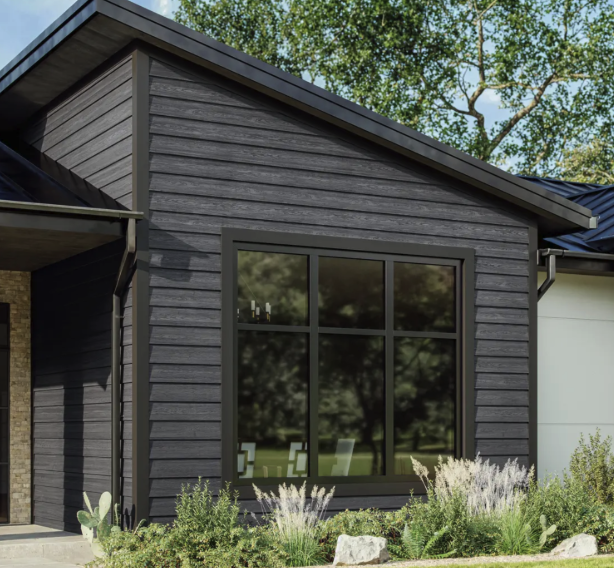
This is where homeowners should stop thinking about siding as a brand-new product and start thinking about it as a long-term system. Picture two Austin homes finished at the same time — one with ColorPlus, the other with field-painted fiber cement. At year one, both may look fantastic. At year three, both may still look great. By year seven, the difference often becomes a lot more noticeable, depending on the home's sun exposure and the quality of the original field paint job. The field-painted home may start showing fading, chalking, loss of color uniformity, peeling in problem areas, cracking around poorly prepared spots, or more visible wear on heavily exposed elevations.
ColorPlus, meanwhile, is specifically engineered to resist UV-related fading and comes with its own finish warranty. James Hardie currently backs ColorPlus finishes with a 15-year limited warranty covering paint and labor against peeling, cracking, and chipping, separate from the 30-year non-prorated limited substrate warranty that covers the fiber cement itself. That doesn't mean a ColorPlus home looks exactly like installation day at year 15 — some gradual color change is expected as part of normal weathering — but it means the finish has been engineered and warranted specifically for long-term performance, not just applied and left to the elements.
Does ColorPlus Never Fade?
No, and that's an important distinction to keep in mind. UV-resistant doesn't mean completely immune to color change — every exterior finish is exposed to the environment, and some gradual fading over many years is considered normal weathering rather than a defect. The real advantage of ColorPlus is that it's engineered specifically to resist fading and other UV effects better than an unprotected field-applied finish, with higher UV-inhibitor loading than typical retail paint. So instead of thinking "ColorPlus won't fade," it's more accurate to think "ColorPlus is designed to hold its color better for longer." That's a much more realistic expectation to carry into the decision.
Understanding the Two Separate Warranties
This is one of the biggest things homeowners misunderstand. James Hardie's warranty coverage is actually two different things layered on top of each other. The siding itself — the fiber cement substrate — carries a 30-year, non-prorated limited warranty covering manufacturing defects. The ColorPlus finish carries a separate 15-year limited warranty covering paint and labor for issues like peeling, cracking, and chipping, subject to its own terms and exclusions. That distinction matters because the siding can still have full substrate warranty coverage even once the finish warranty period has passed, and the two run on completely separate clocks.
What Happens If You Paint ColorPlus Later?
You can repaint ColorPlus siding if you eventually want a different color — James Hardie confirms this is possible. But there's an important catch: using a third-party paint over ColorPlus voids the original ColorPlus finish warranty. So if you chose ColorPlus specifically for the factory finish and its associated warranty, it's worth understanding that repainting it later means giving up that specific coverage, even if the underlying substrate warranty stays intact.
Is Field Painting Always the Cheaper Option?
Not necessarily. The initial project price depends on the siding selection, number of colors, house size, trim package, painting scope, labor, accessibility, and surface preparation required — there's no fixed rule that one approach always costs less than the other. What's more important is looking at long-term maintenance rather than just the installation price. If a field-painted exterior needs significant maintenance or an earlier-than-expected repaint, the original price advantage can shrink or disappear entirely. That's why we recommend homeowners think of this as a 10–15 year ownership decision, not just a line-item comparison on two estimates.
The Black and Dark-Color Question
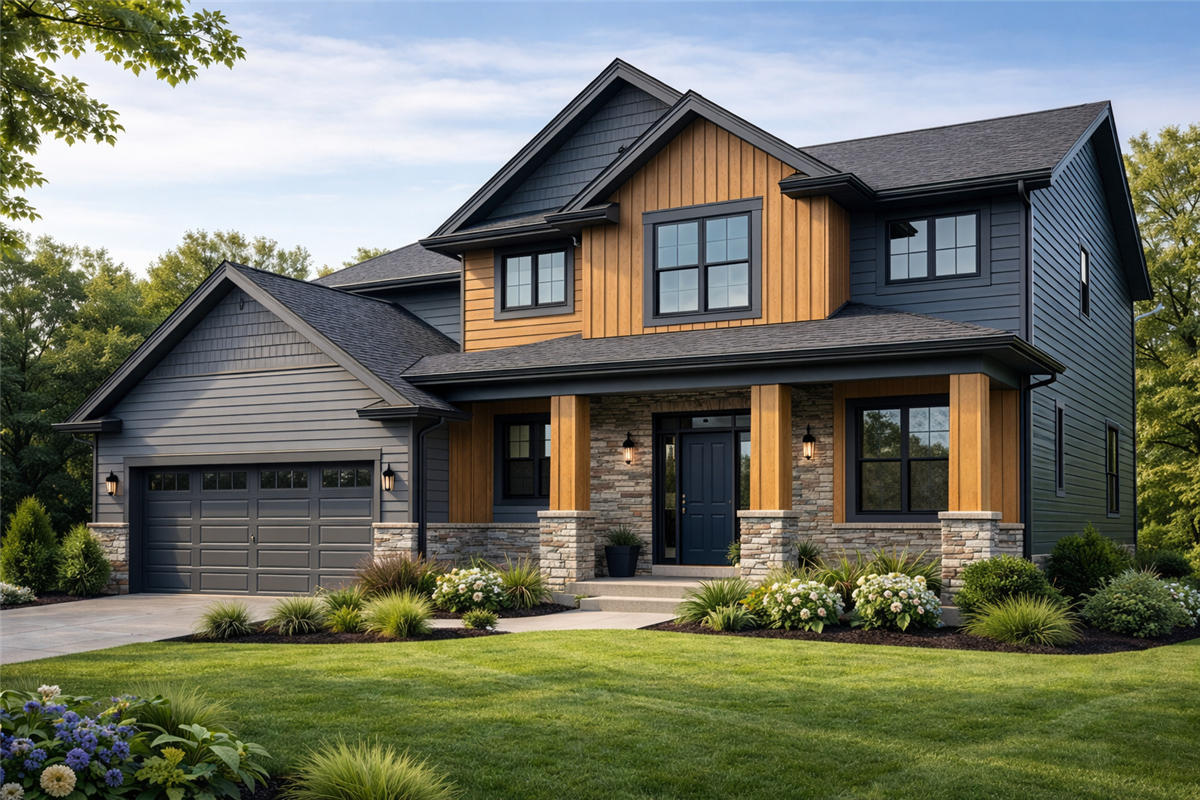
Dark siding is extremely popular in Texas right now — black, charcoal, dark gray, and deep green can look incredible on a modern home. But dark colors also make fading and color variation much easier to notice than lighter, less saturated colors. That's another reason the finish matters as much as the color itself. If you're investing in a dark exterior, the real question isn't just "do I like this color?" It's "how will this specific color, on this specific wall orientation, look after years of Texas UV exposure?" ColorPlus is specifically engineered for UV resistance, while field paint's performance relies heavily on the paint system and application quality behind it.
Does ColorPlus Mean You Never Have to Maintain the Siding?
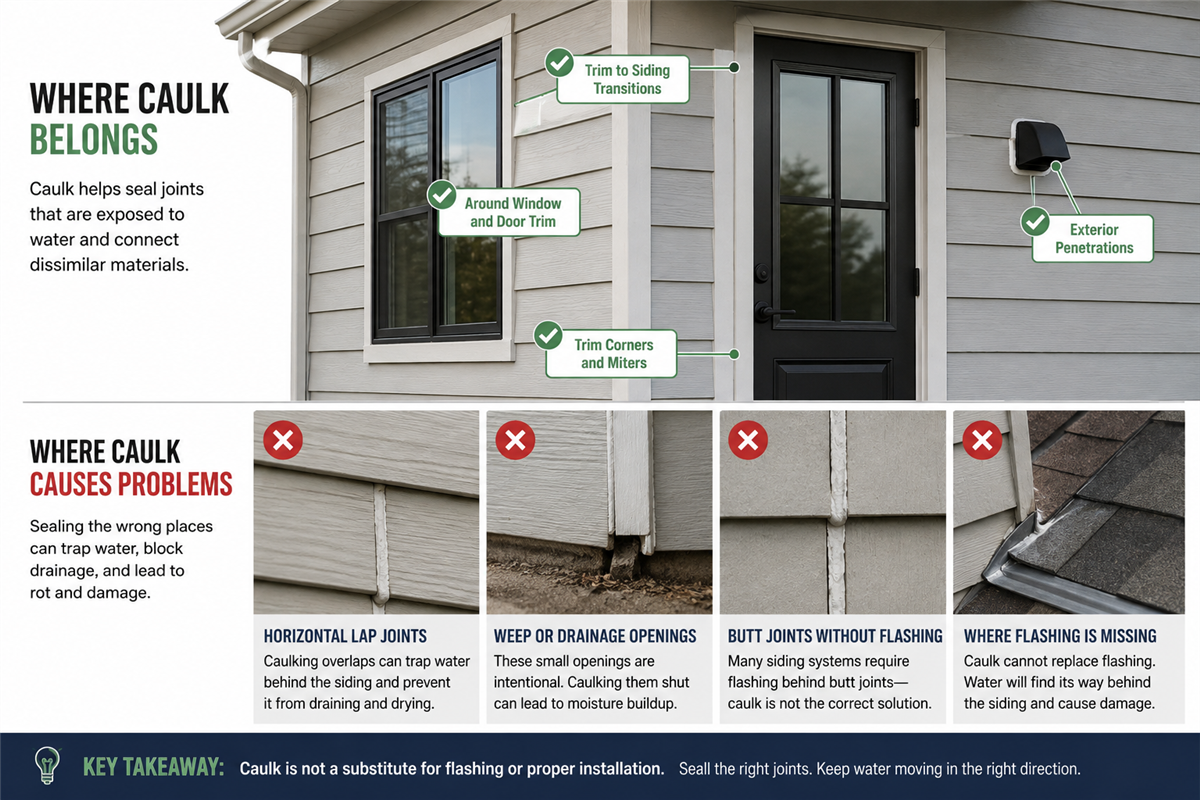
No. Low maintenance doesn't mean zero maintenance. You should still periodically inspect your siding for cracked boards, damaged areas, failed caulking, finish issues, improper drainage, trim problems, and any damage around penetrations. James Hardie itself recommends maintaining caulk joints and addressing small cracks, chips, and dents when they show up, regardless of which finish approach you chose. A good siding installation should make maintenance easier — not eliminate the need to ever look at your exterior again.
So Which One Is Better for Texas?
There isn't a universal answer. ColorPlus tends to make more sense if you want lower-maintenance color, better resistance to UV-related fading, a factory-controlled finish, and you like one of the available ColorPlus colors and don't plan to repaint anytime soon. Field painting tends to make more sense if you want a very specific custom color outside the ColorPlus palette, maximum flexibility to change colors later, and you're working with a trusted painting system and experienced installer. Neither option automatically makes a house better — the right choice depends on your priorities.
What We Recommend Homeowners Compare
When you're getting quotes for James Hardie siding in Austin, don't just compare "ColorPlus: $X" against "painted: $Y." Ask what exact siding product is being installed, whether it's ColorPlus or primed, what paint system is being used if it's field-painted, who's actually applying the paint, how many coats, how the siding will be prepared beforehand, what warranty applies to the siding itself, what warranty applies to the finish, what the contractor's separate workmanship warranty covers, and what happens if the finish needs attention years down the road. Those questions give you a much clearer picture of what you're actually buying than the sticker price alone.
Frequently Asked Questions
Is ColorPlus siding worth the extra cost over field-painted siding?
It depends on your priorities. ColorPlus offers a factory-engineered finish with its own warranty and generally better long-term color retention, while field painting offers more color flexibility. Neither is objectively "worth it" for every homeowner.
How long does ColorPlus actually last before it needs repainting?
ColorPlus is warranted for 15 years against peeling, cracking, and chipping, and real-world reports in hot, sunny climates often show acceptable color retention well into that window, though some gradual fading is expected as normal weathering.
Can I repaint my Hardie siding if I chose ColorPlus?
Yes, but applying third-party paint over ColorPlus voids the original ColorPlus finish warranty, even though the separate 30-year substrate warranty on the fiber cement itself remains unaffected.
Does field-painted Hardie siding have any warranty at all?
The fiber cement substrate still carries James Hardie's 30-year non-prorated warranty regardless of finish approach. The paint job itself would typically be covered by your painting contractor's own warranty rather than James Hardie's ColorPlus warranty.
Why do dark colors show fading more than light colors?
Fading and color shifts are simply easier to notice visually against a highly saturated, dark original color than against a lighter or more neutral one, even if the actual rate of UV degradation is similar.
Does the orientation of my house actually matter for siding finish decisions?
Yes. West- and south-facing walls generally receive far more direct sun exposure than north-facing walls, which can lead to noticeably different fading and wear rates on different sides of the same home.
Is field-painted siding a bad choice for Texas?
Not necessarily. A properly prepared and professionally applied field paint job can perform well, but it depends much more heavily on the specific paint, painter, and application conditions than a factory-applied ColorPlus finish does.
What voids the James Hardie substrate warranty?
Common exclusions include damage from improper installation, impact or storm damage, and damage from pressure washing above the manufacturer's recommended PSI or using harsh cleaning chemicals. Always review the current warranty documentation for full details.
Do I need a James Hardie-certified installer to keep the warranty valid?
Proper installation according to James Hardie's requirements matters for warranty validity, so working with an experienced, qualified installer is an important part of protecting your coverage.
Is the 30-year substrate warranty the same as a 30-year "worry-free" guarantee?
No. It covers manufacturing defects in the fiber cement material itself, not normal weathering, accidental damage, or issues caused by improper installation or maintenance.
The Bottom Line
ColorPlus and field-painted fiber cement can both be excellent choices. The difference is that ColorPlus gives you a factory-applied finish specifically engineered for durability, color consistency, and UV resistance, while field painting gives you more flexibility and virtually unlimited color options. For a Texas homeowner, the important thing is thinking beyond the first year — how will your siding actually look in year seven? That's when the quality of the original finish, your home's sun exposure, and your maintenance habits start to matter a lot more than they did on installation day.
At JP Exteriors, we install James Hardie fiber cement siding throughout the Austin area and can help you compare ColorPlus vs. field-painted siding based on your home's design, exposure, budget, and long-term goals.
Get Started With a Free Consultation
Remember: When you refer a friend or neighbor for windows, siding, roofing, or door replacement, you can earn up to $250 through the JP Exteriors Referral Program.
Subscribe to JP Exteriors's Blog

Comments